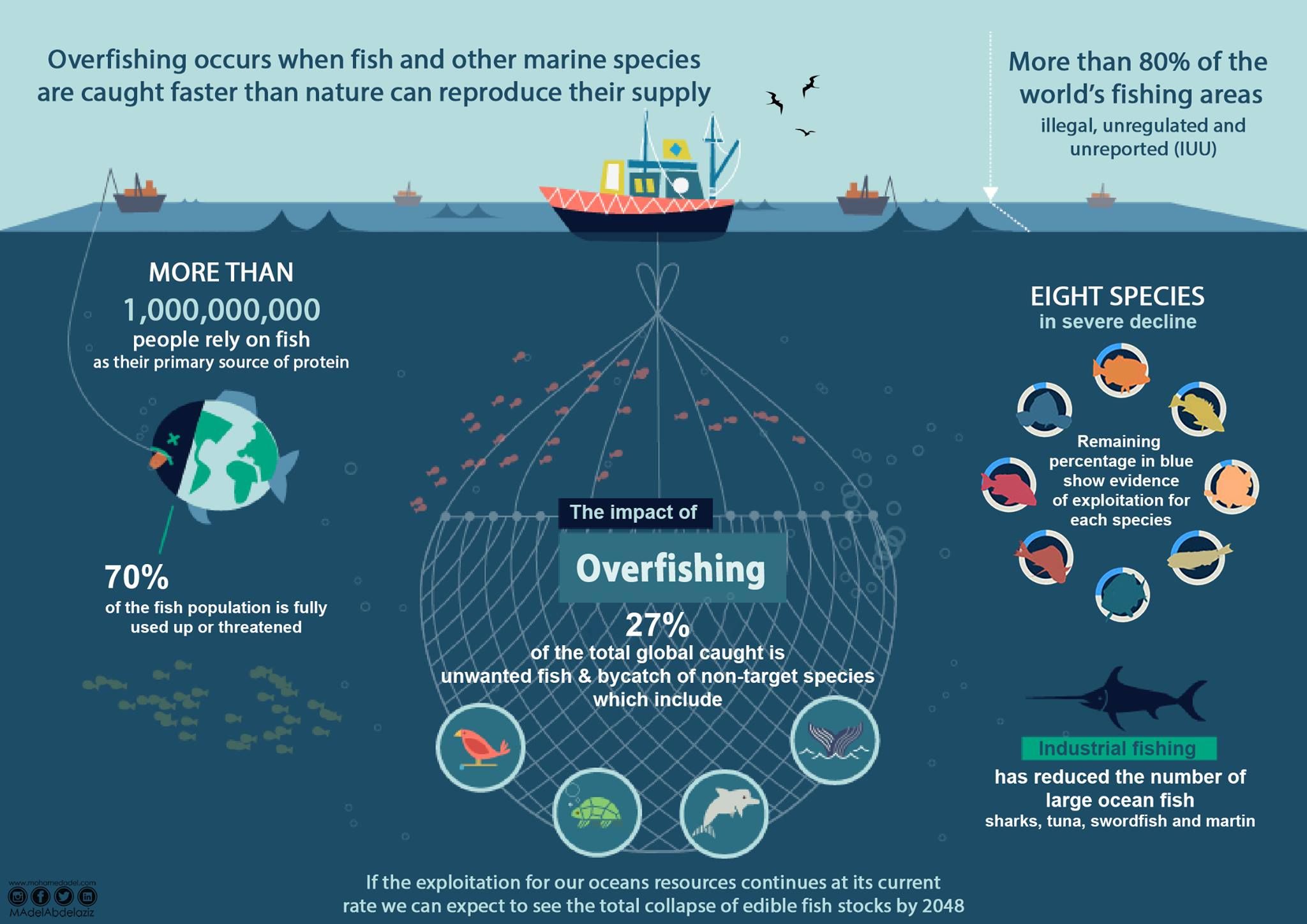
Fishing is a popular activity worldwide, providing an important source of nutrition for many people. However, certain fishing practices can have negative impacts on the environment. Here are some key points to consider:
1. Overfishing: Overfishing occurs when fish stocks are depleted at a faster rate than they can replenish. This disrupts the balance of marine ecosystems and threatens the survival of various fish species.
2. Bycatch: Bycatch refers to the unintentional capture of non-targeted species in fishing gear. This often includes endangered or protected species such as sea turtles, dolphins, and seabirds.
3. Habitat destruction: Certain fishing methods like bottom trawling can cause significant damage to marine habitats such as coral reefs and seagrass beds, impacting biodiversity and ecosystem health.
4. Pollution: Fishing vessels contribute to marine pollution through fuel spills, plastic waste, and discarded fishing gear that can entangle marine life.
5. Climate change: Some fishing practices emit greenhouse gases or contribute to deforestation (for example, for building boats), exacerbating climate change impacts on oceans and coastal communities.
To mitigate these environmental impacts, consumers can choose sustainably sourced seafood certified by organizations like the Marine Stewardship Council (MSC) or Aquaculture Stewardship Council (ASC). Additionally, supporting local fisheries with responsible practices helps promote conservation efforts and protect our oceans for future generations.

Leave a Reply