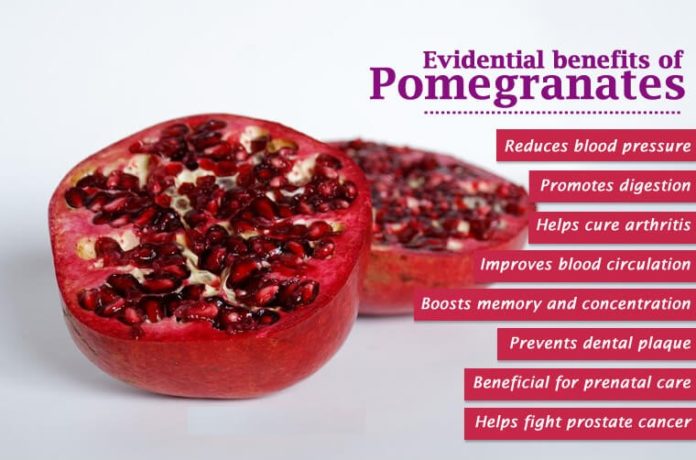
Pomegranate is a fruit that has been cherished for its delicious seeds and juice for centuries. However, what many people don’t realize is that almost every part of the pomegranate tree, from the peel to the bark, leaves, flowers, roots, and even wood, holds unique health benefits and potential uses.
Starting with pomegranate peel, it is rich in antioxidants like tannins and flavonoids. These compounds have anti-inflammatory properties and can help protect against cellular damage caused by free radicals. Pomegranate peel can be dried and ground into a powder to be used in teas or added to dishes for a tangy flavor.
Pomegranate leaf tea is another popular way to enjoy the health benefits of this versatile fruit. Pomegranate leaf tea has been linked to lower blood pressure levels and improved digestion. To make pomegranate leaf tea at home, simply steep fresh or dried leaves in hot water for about 5-10 minutes before straining and enjoying.
Pomegranate molasses is a staple ingredient in Middle Eastern cuisine known for its sweet-tart flavor. It can be used as a glaze for meats, added to salad dressings for depth of flavor, or drizzled over desserts like ice cream or yogurt. Pomegranate molasses not only adds a unique taste but also packs a nutritional punch with high levels of vitamin C and antioxidants.
For skincare enthusiasts looking for natural remedies, pomegranate seed oil is an excellent choice. Rich in omega-5 fatty acids and linoleic acid, pomegranate seed oil helps improve skin elasticity, reduce inflammation, and promote cell regeneration. It’s commonly used in facial serums or as a carrier oil for essential oils due to its lightweight texture.
In addition to their culinary uses and skincare benefits, different parts of the pomegranate tree hold symbolic meaning across various cultures. In some traditions, pomegranates are seen as symbols of fertility or prosperity due to their abundance of seeds; while in others they represent wisdom or immortality because of their long lifespan.
The history of the pomegranate stretches back thousands of years with mentions found in ancient texts from various civilizations such as Greek mythology where it symbolizes life regeneration or Persian folklore where it signifies love and beauty. The process of making pomegranate wine dates back centuries too – involving fermenting freshly squeezed juice until it reaches desired alcohol content before bottling aged flavors.
Whether you’re exploring new culinary adventures with pomegrante-infused cocktails using juice or vinegar dressings on salads; getting creative with crafting projects using wood from old trees; boosting your fiber intake through consuming whole fruits; researching cutting-edge antioxidant studies proving its health benefits – there’s no shortage ways this remarkable fruit can enhance our lives both inside out!

Leave a Reply