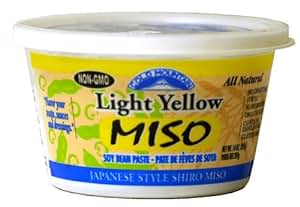
Yellow miso, also known as Shinshu miso, is a traditional Japanese seasoning that has gained popularity worldwide for its unique flavor and health benefits. Made from fermented soybeans and grains, yellow miso has a milder taste compared to other types of miso such as red or white miso. It is characterized by its light yellow color and slightly sweet umami flavor profile.
One of the key reasons why yellow miso is highly regarded in the culinary world is its versatility. It can be used in a wide variety of dishes, ranging from soups and stews to marinades, dressings, and glazes. Yellow miso adds depth and complexity to dishes without overpowering other flavors, making it an excellent choice for both traditional Japanese recipes and fusion cuisine.
In addition to enhancing the taste of your dishes, yellow miso also offers several health benefits. Like other types of miso, yellow miso is a probiotic food that supports gut health by promoting the growth of beneficial bacteria in the digestive system. This can help improve digestion, boost immunity, and reduce inflammation in the body.
Yellow miso is also rich in essential nutrients such as vitamins B2 (riboflavin), B6 (pyridoxine), E (tocopherol), K (phylloquinone), folic acid, potassium, iron, calcium, magnesium, zinc, copper manganese among others which are important for overall health maintenance. These nutrients play vital roles in energy production metabolism bone strength immune function blood clotting antioxidant protection nerve function DNA synthesis and repair cell growth collagen synthesis heart health hormone balance muscle contraction enzyme activation oxygen transport brain function mood regulation skin hair nail health reproductive system support vision eye protection metabolism weight management sleep quality aging prevention cancer risk reduction disease prevention recovery process after exercise stress management libido enhancement fertility pregnancy support milk production child development nutrition etc.
Furthermore; Yellow Miso contains antioxidants like phenolic compounds flavonoids saponins phytosterols carotenoids tocopherols as well as amino acids glutamic acid cysteine glycine arginine histidine lysine proline leucine valine tryptophan serine threonine alanin which protect against oxidative stress inflammation chronic diseases including heart disease diabetes cancer neurodegenerative disorders autoimmune conditions arthritis allergies asthma skin conditions etc while promoting longevity vitality youthfulness wellbeing mental clarity emotional balance happiness etc due to their anti-inflammatory antiviral antibacterial antimicrobial properties
When shopping for yellow miso at your local grocery store or Asian market look for organic varieties that are free from additives preservatives artificial colors or flavors Choose brands that use traditional fermentation methods to ensure high-quality authentic flavor nutritional value Look out for labels that indicate Non-GMO Certified Organic Kosher Vegan Gluten-Free Low-Sodium options depending on your dietary preferences needs restrictions Avoid products with excessive sodium levels MSG hydrogenated oils GMO soy derivatives fillers stabilizers emulsifiers Thoroughly read ingredient lists allergen warnings expiration dates storage instructions suggested uses cooking tips recipes inspirations creative ideas alternative applications

Leave a Reply