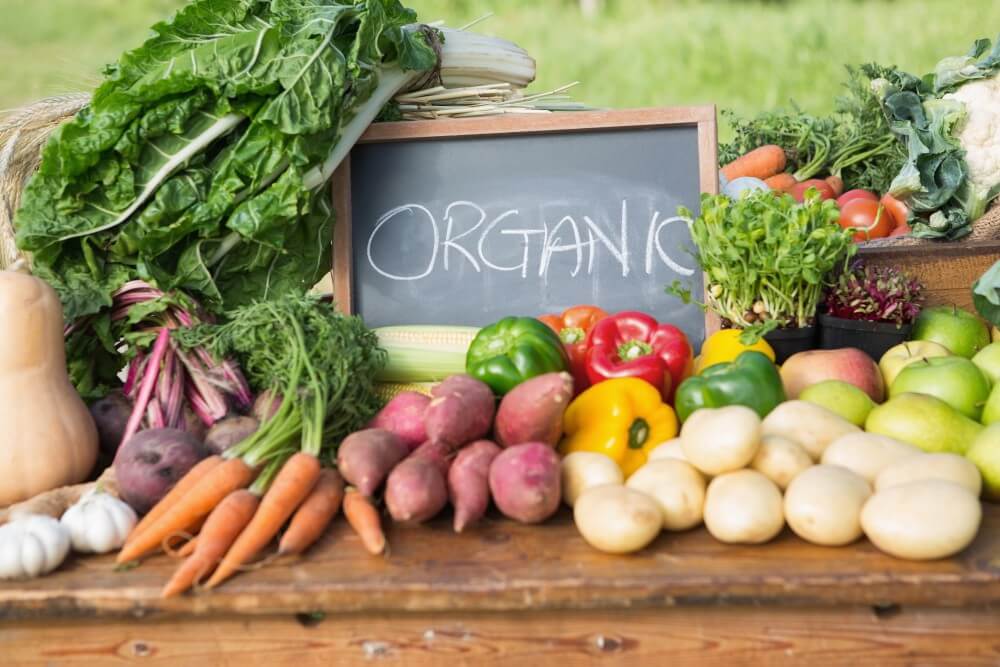
Today, we have the pleasure of speaking with Mary Johnson, a seasoned farmer who has been practicing sustainable and organic farming methods for over 20 years. Mary is passionate about promoting healthy eating and sustainable agriculture practices. She will be sharing her insights on farming practices that contribute to healthier food choices.
Q: Mary, thank you for joining us today. Can you tell us a bit about your background in farming and what inspired you to focus on sustainable and organic practices?
A: Thank you for having me! I grew up on a farm where my family practiced conventional farming methods. However, as I learned more about the negative impacts of chemical pesticides and fertilizers on our health and the environment, I became determined to switch to more sustainable and organic practices. I was inspired by the idea of growing food in harmony with nature while prioritizing the well-being of consumers.
Q: That’s truly inspiring! Could you explain what sustainable farming entails and how it differs from conventional methods?
A: Sustainable farming is an approach that aims to produce food in a way that minimizes harm to the environment, conserves natural resources, and supports local communities. This involves using techniques such as crop rotation, cover cropping, composting, integrated pest management (IPM), water conservation strategies, and agroforestry. Unlike conventional methods that rely heavily on synthetic inputs like chemical fertilizers and pesticides which can degrade soil health over time.
Q: It sounds like there are many benefits associated with sustainable farming practices. How do these methods contribute to producing healthier food options for consumers?
A: Absolutely! Sustainable farming results in higher quality crops that are more nutrient-dense because they are grown in healthy soils rich in essential minerals. By avoiding synthetic chemicals, these foods are free from harmful residues that can impact human health when consumed. Additionally, sustainable farmers often prioritize biodiversity by growing a variety of crops which enhances the nutritional diversity of our diets.
Q: That makes sense! In terms of organic farming specifically, how does it differ from both conventional and sustainable approaches?
A: Organic farming goes beyond sustainability by adhering to strict regulations set by certifying bodies such as the USDA or EU Organic Certification standards. These standards prohibit the use of synthetic chemicals including pesticides and fertilizers; genetically modified organisms (GMOs); antibiotics; hormones; irradiation; or sewage sludge-based fertilizers among other requirements.
Organic farmers also focus on building healthy soils through practices like composting; utilizing natural sources of nutrients such as manure or crop rotations; supporting pollinators; conserving water resources; minimizing waste generation through recycling efforts – all aimed at creating a closed-loop system within their farms.
Q: It’s fascinating how much thought goes into each aspect of organic farming! How can consumers support these practices when making food choices?
A: Consumers play a crucial role in supporting organic farmers by choosing organically grown foods whenever possible – whether at local markets or grocery stores offering certified organic products. By doing so, they not only promote environmental stewardship but also invest in their own health by consuming foods free from harmful additives commonly found in conventionally produced items.
Furthermore, engaging with community-supported agriculture (CSAs) programs allows consumers to directly support local farmers committed to sustainable agricultural practices while gaining access to fresh seasonal produce straight from the farm!
In conclusion Mary Johnson provided valuable insights into how adopting sustainable and organic Farming Practices can lead towards healthier Food Choices . We hope this interview encourages readers

Leave a Reply