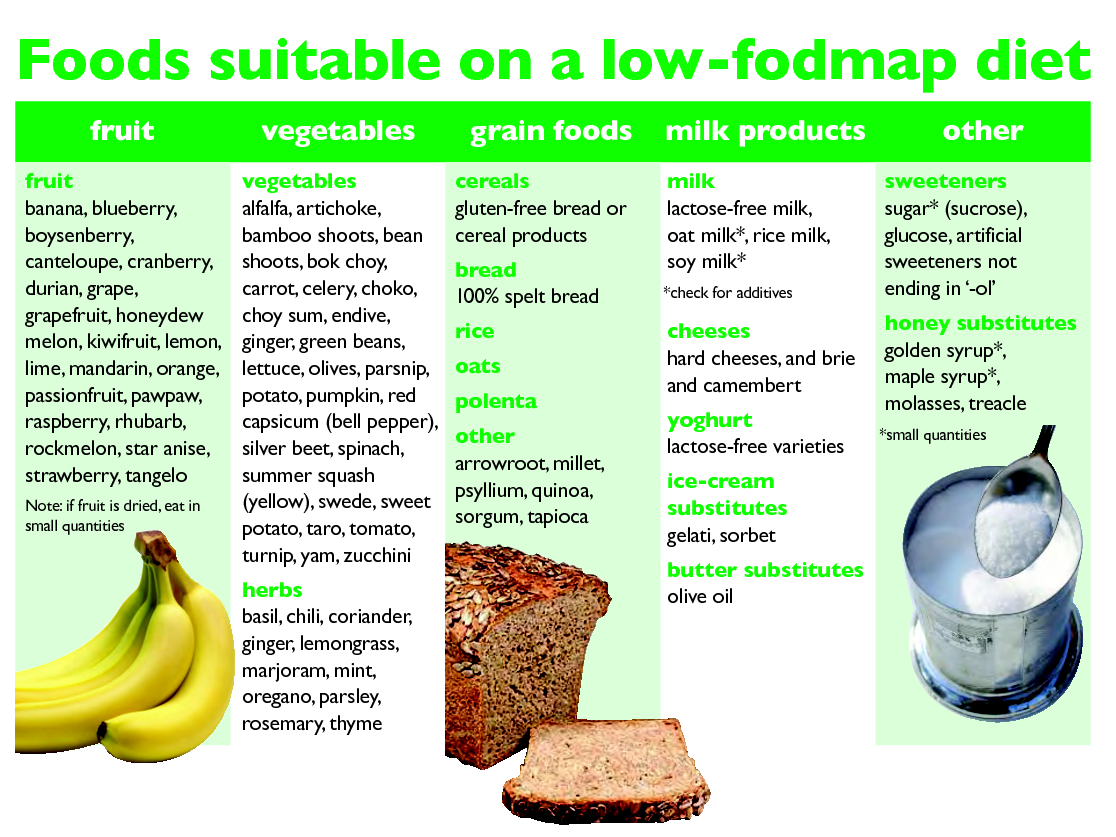
The low FODMAP diet has gained popularity in recent years for its potential benefits in managing symptoms of irritable bowel syndrome (IBS) and other gut-related issues. FODMAPs are a group of fermentable carbohydrates that can trigger digestive discomfort in some individuals. By following a low FODMAP diet, people can reduce their intake of these carbohydrates and potentially alleviate symptoms such as bloating, gas, abdominal pain, and diarrhea.
If you’re considering trying a low FODMAP diet to improve your gut health, it’s important to understand the basics of this approach and how to implement it effectively. In this article, we’ll explore the top 15 things you need to know about the FODMAPs diet for gut health.
1. What Are FODMAPs?
FODMAP stands for fermentable oligosaccharides, disaccharides, monosaccharides, and polyols – which are short-chain carbohydrates that are not fully absorbed by the body. These compounds can be fermented by bacteria in the gut, leading to the production of gas and other byproducts that may cause digestive distress in sensitive individuals.
2. Common High-FODMAP Foods
High-FODMAP foods include a variety of fruits (such as apples, cherries, watermelon), vegetables (like onions, garlic, cauliflower), legumes (such as lentils, chickpeas), dairy products containing lactose (milk, soft cheese), wheat-based products (bread, pasta), sweeteners like honey and agave nectar, and certain artificial sweeteners like sorbitol and mannitol.
3. How Does a Low FODMAP Diet Work?
The low FODMAP diet involves restricting high-FODMAP foods for a period of time to help identify specific triggers that may be causing gastrointestinal symptoms. This elimination phase is followed by a reintroduction phase where individual tolerance levels are tested with small amounts of specific high-FODMAP foods.
4. Benefits of a Low FODMAP Diet
For individuals with IBS or other digestive disorders characterized by sensitivity to fermentable carbohydrates like FODMAPs, following a low FODMAP diet under the guidance of a healthcare provider or registered dietitian may help alleviate symptoms like bloating,
gas,
abdominal pain,
diarrhea or constipation when triggered by certain foods.
By identifying personal triggers through an elimination-reintroduction process,
individuals can create personalized dietary plans that minimize discomfort while maintaining balanced nutrition.
5. Potential Downsides
While many people experience symptom relief on a low FODAMP diet,
it’s essential to recognize potential downsides associated with long-term restriction including:
nutrient deficiencies due to limited food choices;
disruption in gut microbiota diversity from reduced prebiotic intake;
social isolation or anxiety related to dining out or attending events where high-FOMDAP foods are present.
6.Following A Low-Fodmap Diet Safely
Before starting any restrictive eating plan like the low-fodmapdiet,it’s crucialto consultwitha healthcare providerorregistereddietitianwhois knowledgeableabouttheapproach.Takingtheself-directed route could leadtounintendedconsequences likenuutrientdeficiencies,micronutrientimbalances,and negative impacts on overallwellness.Speakwithaprofessionaltoensureyou’refollowingthelow-fodmapprotocolappropriatelyand safelyforyourindividualneedsandhealthgoals.
7.The Importance Of The Elimination Phase
Duringtheinitialphasesofthelow-fodmapdiet,youwilleliminatehigh-fomdapfoodsfromyourmealplantoidentifypotentialtriggers.Thisisanopportunitytoreducegastrointestinaldistressandcreateabaselineforunderstandinghowyourbodyrespondstofoodswithspecificcarbohydrates.Aftercompletingthisphase,youcanmoveontothereintroductionstagewheretriggersareidentifiedthroughsystematictesting.
8.Reintroducing Foods Methodically
9.Take It Slow And Steady
10.Importance Of Professional Guidance

Leave a Reply