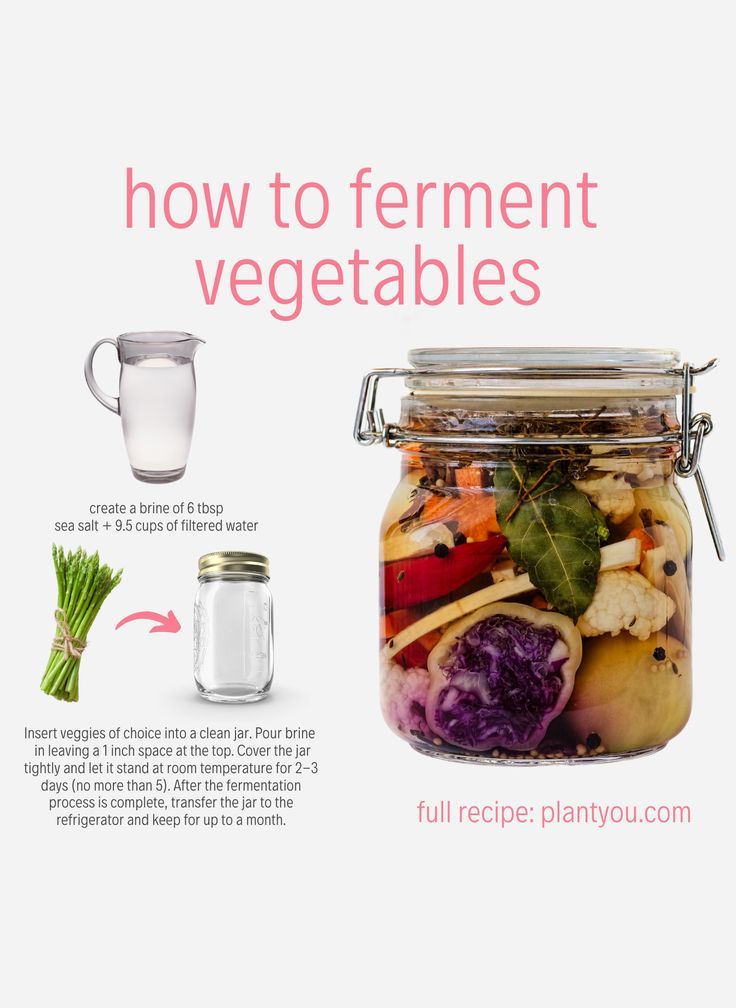
Fermented vegetables have been gaining popularity in recent years due to their numerous health benefits and delicious flavor. Fermentation is a natural process that involves the breakdown of sugars by beneficial bacteria, which produces lactic acid. This not only preserves the vegetables but also enhances their nutritional value.
In this FAQ-style post, we will explore everything you need to know about fermented vegetables – from how they are made to their health benefits and tips for incorporating them into your diet.
**What are fermented vegetables?**
Fermented vegetables are simply fresh vegetables that have been allowed to ferment through the activity of beneficial bacteria. The most common method of fermentation involves submerging chopped or whole vegetables in a saltwater brine and allowing them to sit at room temperature for a period of time. During this process, lactic acid bacteria naturally present on the surface of the vegetables begin to break down sugars and produce lactic acid, which acts as a natural preservative.
**What types of vegetables can be fermented?**
A wide variety of vegetables can be fermented, including cabbage (which is used to make sauerkraut), cucumbers (for pickles), carrots, beets, radishes, and more. You can ferment one type of vegetable on its own or create delicious combinations using different veggies.
**What are the health benefits of eating fermented vegetables?**
Fermented vegetables offer a range of health benefits due to their high content of probiotics – beneficial bacteria that support gut health. These probiotics help maintain a healthy balance of microorganisms in the gut, which is crucial for digestion, immune function, and overall well-being.
Additionally, fermentation increases the bioavailability of nutrients in the vegetables, making it easier for our bodies to absorb essential vitamins and minerals such as vitamin C, vitamin K, and antioxidants. Fermented foods also promote better digestion by aiding in nutrient absorption and supporting intestinal motility.
**How do I make fermented vegetables at home?**
Making your own fermented vegetables at home is simple and requires just a few basic ingredients: fresh veggies (such as cabbage or cucumbers), salt (preferably non-iodized sea salt), water, spices/herbs (optional), and glass jars with lids.
Here’s a basic recipe for making sauerkraut:
1. Shred cabbage finely using a knife or food processor.
2. In a large bowl, mix shredded cabbage with salt (about 1-2% by weight) until it starts releasing liquid.
3. Pack the cabbage tightly into clean glass jars.
4. Make sure the cabbage is submerged under its own liquid; if needed add some brine made from water mixed with salt.
5. Cover jars loosely with lids or cloth secured with rubber bands.
6. Let jars sit at room temperature away from direct sunlight for 3-7 days or longer depending on taste preference.
7.Taste test your sauerkraut periodically until it reaches desired level tanginess then store it in refrigerator
You can experiment with different spices like caraway seeds or red pepper flakes to customize your fermentations according to your taste preferences!
**How long do fermented veggies last?**
Properly fermented veggies can last several months when stored in an air-tight container in the refrigerator due to their preservation properties from lactic acid production during fermentation process
**Are there any risks associated with consuming homemade ferments?**
There are minimal risks associated with consuming homemade ferments if proper cleanliness measures followed throughout preparation process like sanitizing equipment , washing hands etc However people who suffer from compromised immune systems should exercise caution when consuming homemade ferments because there might be small risk contamination harmful pathogens like botulism
Always start slow when introducing fermenteds foods into diet especially if not used regularly so gut microbiome has chance adjust new foods
**Can I buy commercially-made fermented products instead?
Yes Commercially available products such as kimchi miso tempeh kombucha sold many grocery stores specialty markets these convenient options incorporate healthy probiotics diets without having prepare them yourself ensure check labels choose products contain live active cultures maximize potential benefits
Incorporating more ferments into daily routine wonderful way support overall wellness Gut health linked numerous aspects physical mental wellbeing so adding diverse array probiotic-rich foods diets great step towards achieving optimal health Remember everyone unique responses dietary changes always good idea consult healthcare provider nutritionist before making significant adjustments current eating habits
Whether you decide make own ferments prefer purchase ready-to-eat options important listen body find right balance works best Remember small consistent changes often lead lasting results Happy fermenting!

Leave a Reply