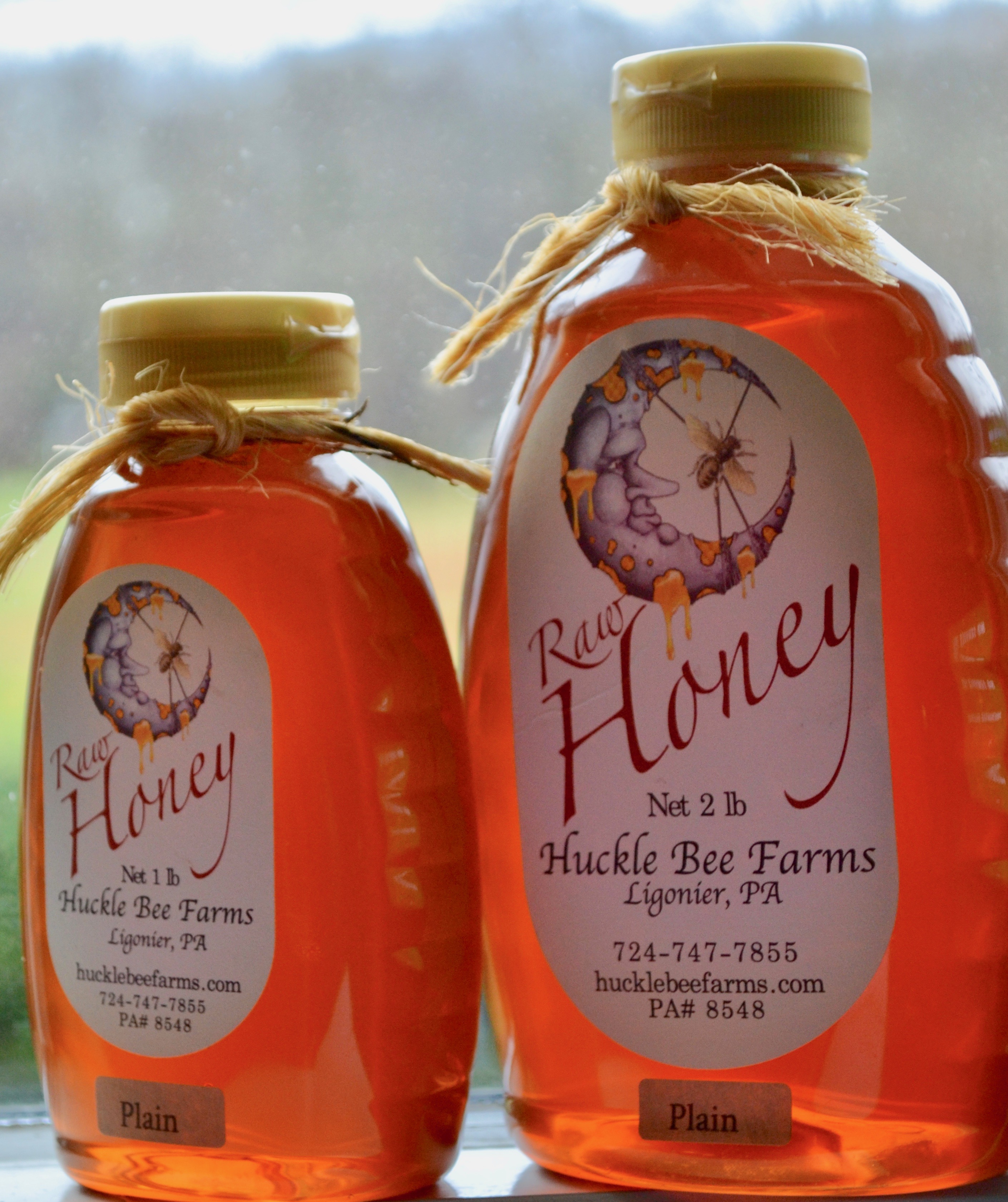
There is something truly special about locally sourced honey and bee products that set them apart from mass-produced alternatives. From the unique flavor profiles to the health benefits they offer, these products have become increasingly popular among consumers who are looking for high-quality, sustainable options in their diets.
In recent years, there has been a growing interest in supporting local farmers and producers. This trend has extended to the realm of beekeeping, with many people seeking out honey and other bee products that are made right in their own communities. The appeal of locally sourced honey lies not only in its fresh taste but also in its potential health benefits and environmental impact.
One of the key reasons why locally sourced honey is so sought after is its distinct flavor profile. Each region has its own variety of flowers and plants that bees feed on, resulting in a diverse range of flavors in the honey they produce. For example, honey produced from orange blossoms will have a citrusy undertone, while clover honey is known for its mild sweetness. By purchasing locally sourced honey, consumers can experience these unique flavors that simply cannot be replicated by mass-produced brands.
Moreover, consuming local honey may also offer certain health benefits. Many people turn to raw, unfiltered honey as a natural remedy for seasonal allergies due to its potential immune-boosting properties. Local honeys often contain trace amounts of pollen from nearby plants, which some believe can help desensitize individuals to allergens over time. While more research is needed to substantiate these claims fully, many allergy sufferers swear by the soothing effects of local honey during peak pollen seasons.
In addition to traditional liquid honey varieties, beekeepers also produce an array of other products using hive ingredients such as beeswax and propolis (a resin-like substance collected by bees). Beeswax can be used in candle-making or skincare products due to its moisturizing properties and natural scent. Propolis is touted for its antimicrobial qualities and can be found in throat sprays or topical ointments designed to support immune health.
Supporting local beekeepers not only guarantees access to high-quality products but also contributes positively to the environment. Bees play a crucial role in pollinating crops and wildflowers alike, making them essential allies for maintaining biodiversity and food security worldwide. By purchasing locally sourced bee products instead of those transported long distances or produced through intensive farming practices, consumers can reduce their carbon footprint while directly supporting small-scale agriculture within their communities.
When it comes to buying local honey and bee products, one must exercise caution when choosing suppliers. Look for labels indicating raw or unfiltered options as these retain more nutrients compared to processed varieties found on supermarket shelves. Additionally, consider reaching out directly to apiarists at farmers’ markets or community events where you can ask questions about their practices firsthand.
Overall, the rise of interest around locally sourced honeys reflects a broader shift towards conscious consumerism—a desire for transparency around food production methods and an appreciation for artisanal craftsmanship rooted in tradition. As we continue down this path towards greater sustainability and wellness consciousness as a society at large—choosing locally sourced goods like honey becomes not just an act of personal preference but an investment in our collective future.

Leave a Reply