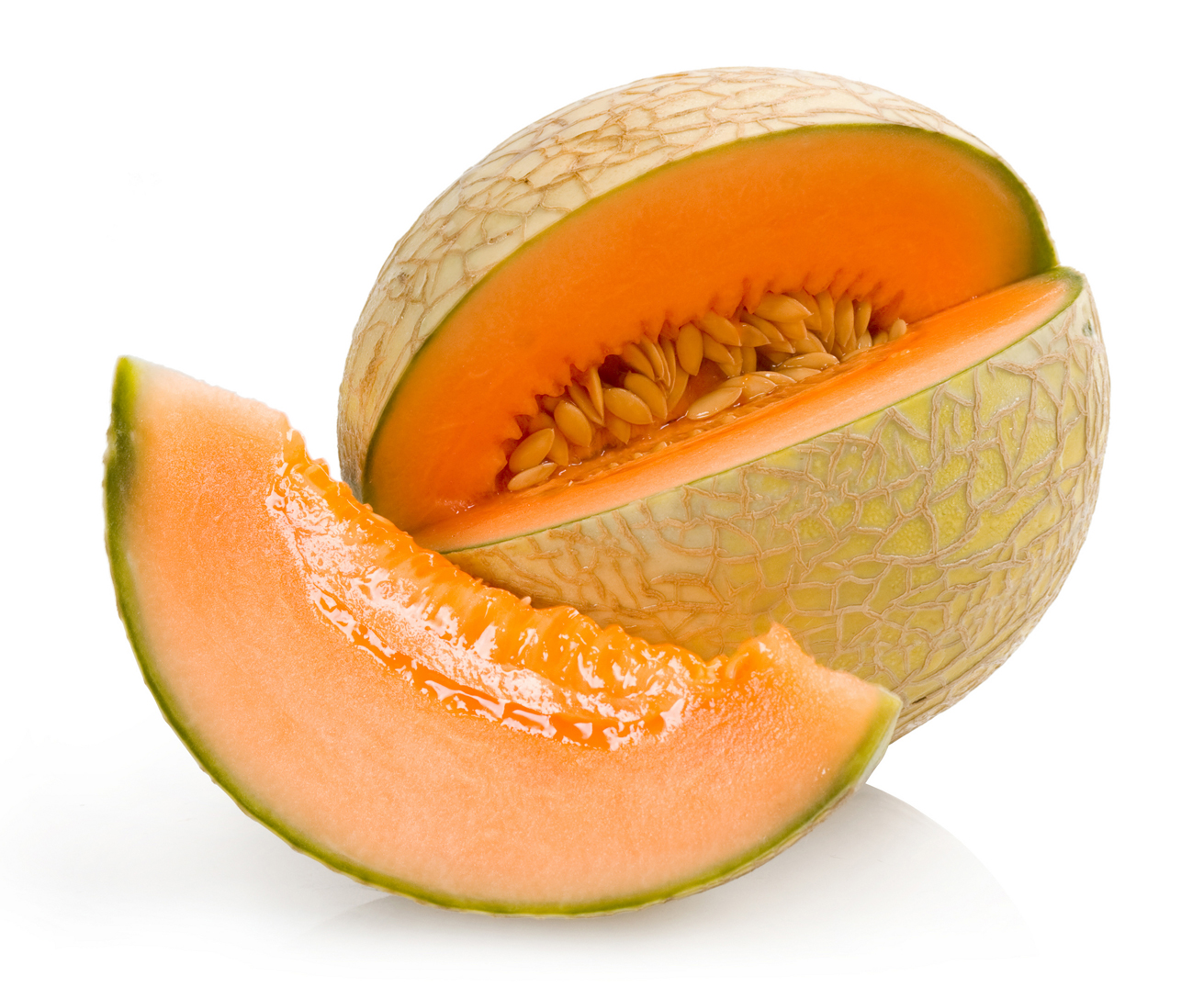
Cantaloupes are a popular and delicious fruit that thrives in Mediterranean climates due to the warm temperatures and ample sunlight. They are relatively easy to grow, making them a favorite among home gardeners and farmers alike. Cantaloupes from Asia, such as the Japanese Tsuru muskmelon and Korean Oriental melon, are known for their sweetness and unique flavors. These varieties have gained popularity worldwide for their exceptional taste.
In South America, cantaloupes are prized for their numerous health benefits. Rich in vitamins A and C, as well as antioxidants, cantaloupes help boost the immune system, improve skin health, and support overall well-being. In countries like Brazil and Argentina, these benefits have made cantaloupes a staple in many diets.
Mexico is famous for its traditional cantaloupe recipes that showcase the fruit’s versatility in both sweet and savory dishes. From refreshing agua frescas to spicy salsas with diced cantaloupe, Mexican cuisine celebrates the vibrant flavors of this juicy fruit.
Across Africa, farmers utilize various techniques to cultivate cantaloupes successfully. Drip irrigation systems are commonly used to ensure efficient water usage in regions with limited access to water. Additionally, organic farming practices are becoming more prevalent as consumers seek healthier and environmentally friendly produce options.
In the Caribbean islands, people enjoy cantaloupes in unique ways beyond just eating them fresh. Cantaloupe is often blended into tropical smoothies or incorporated into refreshing sorbets during hot summer days.
Europeans appreciate cantaloupes not only for their taste but also for their nutritional value. Low in calories but high in essential nutrients like potassium and fiber, cantaloupes make a healthy addition to any diet.
In Australia, creative smoothie ideas using cantaloupe abound. Combining this sweet fruit with coconut milk or Greek yogurt creates creamy concoctions perfect for breakfast or post-workout snacks.
New Zealand is known for its commitment to organic farming practices when it comes to growing cantaloupes. By avoiding synthetic pesticides and fertilizers, New Zealand farmers produce high-quality fruits that appeal to health-conscious consumers seeking clean eating options.
In North America, the seasonality of cantaloupes varies by region due to differences in climate conditions. Generally available from late spring through early fall, locally grown cantaloupes can be enjoyed at peak ripeness during these months.
Lastly, Middle Eastern countries like Lebanon and Turkey feature decadent cantaloupe desserts on Healthy Eating websites catered towards promoting nutritious yet indulgent treats. Dishes like honey-drizzled grilled cantaloupe or creamy ricotta-stuffed melon halves offer a delightful way to satisfy sweet cravings while still incorporating wholesome ingredients into one’s diet.

Leave a Reply