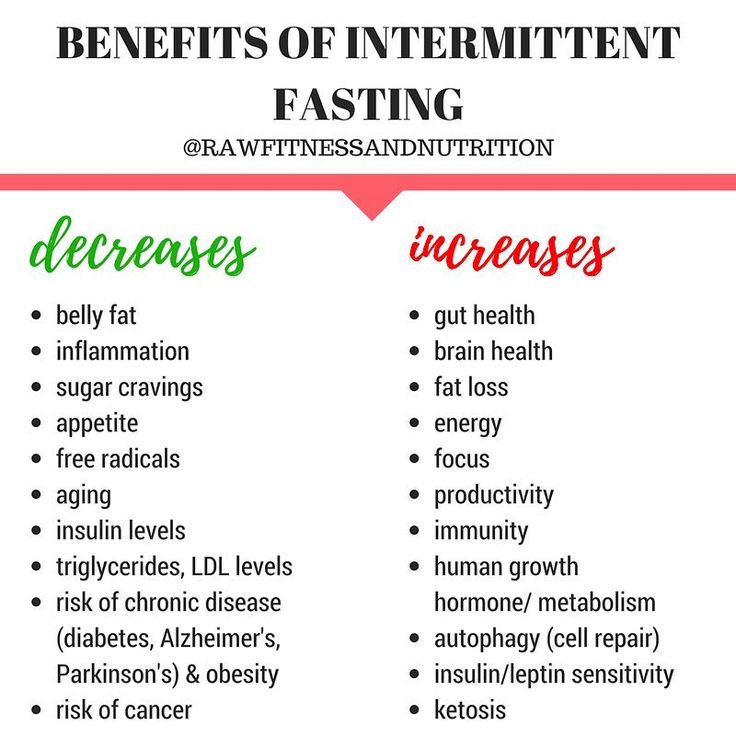
Intermittent fasting has gained significant popularity in recent years for its potential health benefits beyond just weight loss. One area of interest is the impact of intermittent fasting on cholesterol levels. Cholesterol is a waxy substance found in the blood that can be both beneficial and harmful depending on the type and amount present. High levels of LDL (low-density lipoprotein) cholesterol, often referred to as “bad” cholesterol, can increase the risk of heart disease and stroke. On the other hand, HDL (high-density lipoprotein) cholesterol, known as “good” cholesterol, helps remove LDL from the arteries.
Several studies have explored how intermittent fasting can influence cholesterol levels. One study published in the Journal of Nutritional Biochemistry found that alternate-day fasting reduced LDL cholesterol levels in obese individuals after eight weeks compared to a control group following a normal diet. Additionally, another study published in Obesity demonstrated that time-restricted feeding led to reductions in total cholesterol and LDL cholesterol.
The mechanisms behind these effects are not yet fully understood but may involve changes in metabolism and lipid regulation during periods of fasting. When we fast, our body shifts from using glucose for energy to burning stored fat through a process called ketosis. This metabolic switch can lead to improvements in insulin sensitivity and lipid profiles over time.
Moreover, intermittent fasting may also impact gene expression related to cholesterol metabolism. Research suggests that fasting triggers pathways that regulate lipid metabolism genes involved in processing and removing LDL from the bloodstream.
While these findings are promising, it’s essential to note that individual responses to intermittent fasting may vary based on factors such as age, gender, underlying health conditions, and overall dietary habits. Consulting with a healthcare provider or registered dietitian before starting an intermittent fasting regimen is recommended for personalized guidance.
Moving beyond its effects on cholesterol levels, let’s explore how intermittent fasting influences metabolism. Metabolism refers to the complex processes by which our bodies convert food into energy essential for various bodily functions like breathing, circulating blood, or repairing cells. A higher metabolic rate typically correlates with increased calorie burn even at rest.
Intermittent fasting can impact metabolism through several mechanisms:
1. Enhanced Fat Burning: During periods of fasting when glucose stores are depleted,
the body turns towards stored fat for fuel through ketosis.
2.Improved Insulin Sensitivity: Fasting periods help regulate insulin levels leading
to better utilization of glucose for energy production.
3.Increased Growth Hormone Secretion: Short-term fasts stimulate growth hormone
release which aids fat loss and muscle preservation.
4.Reduced Inflammation: Intermittent fasting has been linked with lower inflammation
levels which can support overall metabolic function.
Research indicates that intermittent fasting might enhance metabolic flexibility—the ability to switch between different fuel sources efficiently—thus promoting better weight management outcomes.
Another compelling aspect of intermittent fasting is its potential role in cancer prevention due to its effects on cellular repair mechanisms such as autophagy—a process where damaged cells are removed or repaired within the body.
Autophagy plays a crucial role in preventing abnormal cell growth associated with cancer development; hence activating this process through periodic fasts may help reduce cancer risk factors.
Furthermore,integrating sleep quality into discussions around health practices is paramount since inadequate sleep negatively impacts physical well-being mental sharpness,and emotional stability.However,research suggests incorporating specific dietary patterns within an intermittent-fasting framework could enhance sleep quality.
Studies have shown that consuming meals earlier during daylight hours rather than late at night aligns more closely with our natural circadian rhythms,resulting in improved sleep patterns.This approach complements many types of intermittent-fasting strategies,such as time-restricted eating windows.
Exploring psychological aspects further deepens our understanding.Intermittent
fasting requires discipline,self-control,and mindfulness regarding eating habits.These psychological components play significant roles alongside physiological changes.
Many individuals find empowerment,enjoyment,and an enhanced sense of focus while practicing intermittant
In conclusion,intemittant fassting offers multifaceted benfits including positive impacts on cholestrol ,metabolism,cancer prevention,sleep quallity,and psychological well being.The interplay between these elements underlies inttermitant fasing’s holistic approach toward health .As always,it is important consult healthcare providers before making any significant lifestyle changes.

Leave a Reply