Welcome to our panel discussion on yogurt, a versatile and nutritious food that has been enjoyed by people for centuries. Joining us today are three experts in the field of nutrition and health to shed light on the benefits of yogurt and how it can be incorporated into a healthy diet.
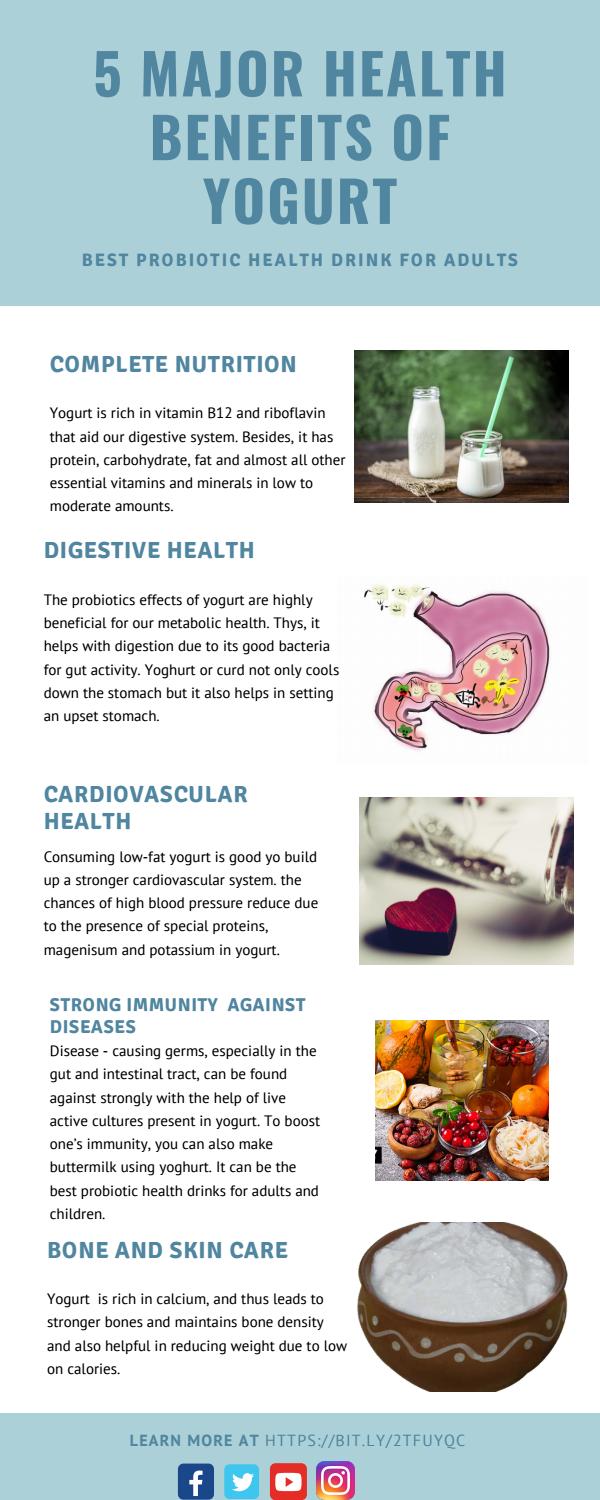
First off, let’s talk about the nutritional profile of yogurt. Yogurt is rich in protein, calcium, probiotics, and essential vitamins like B12. Protein is crucial for building and repairing tissues in the body, while calcium supports bone health. The live cultures found in certain types of yogurt contribute to gut health by promoting a healthy balance of bacteria in the digestive system.
One important benefit of including yogurt in your diet is its impact on digestion. The probiotics present in yogurt can help improve gut health by maintaining a diverse microbiome. This can lead to better digestion, reduced inflammation, and enhanced immune function. Additionally, some studies suggest that regular consumption of yogurt may reduce the risk of conditions like irritable bowel syndrome (IBS) and inflammatory bowel disease (IBD).
Yogurt also serves as a convenient snack option or meal component for those looking to manage their weight or improve their overall health. Its high protein content helps promote feelings of fullness and satiety, which can aid in weight management efforts. Choosing plain or Greek yogurt without added sugars can further enhance its benefits by reducing unnecessary calorie intake.
When it comes to choosing the right type of yogurt for your needs, our experts recommend opting for plain or Greek varieties over flavored options that often contain added sugars. If you prefer flavored yogurts, consider adding fresh fruits or honey as natural sweeteners instead. Additionally, checking labels for live active cultures such as Lactobacillus acidophilus or Bifidobacterium can ensure you’re getting the probiotic benefits associated with yogurt consumption.
For individuals with lactose intolerance or dairy allergies, there are alternative options available such as plant-based yogurts made from almond milk, coconut milk, soy milk, or oat milk. These non-dairy alternatives offer similar nutritional benefits while catering to specific dietary restrictions.
Incorporating yogurt into your daily meals can be done in various ways beyond simply eating it straight out of the container. You can use plain Greek yogurt as a substitute for sour cream in recipes like dips and dressings or add it to smoothies for added creaminess and protein content. Yogurt parfaits with layers of fruit and granola make for a delicious breakfast option packed with nutrients.
In conclusion – whether you enjoy it on its own as a snack or incorporate it into your cooking routine – yogurt is undoubtedly a valuable addition to any balanced diet due to its numerous health benefits ranging from improved digestion to enhanced nutrient intake.

Leave a Reply