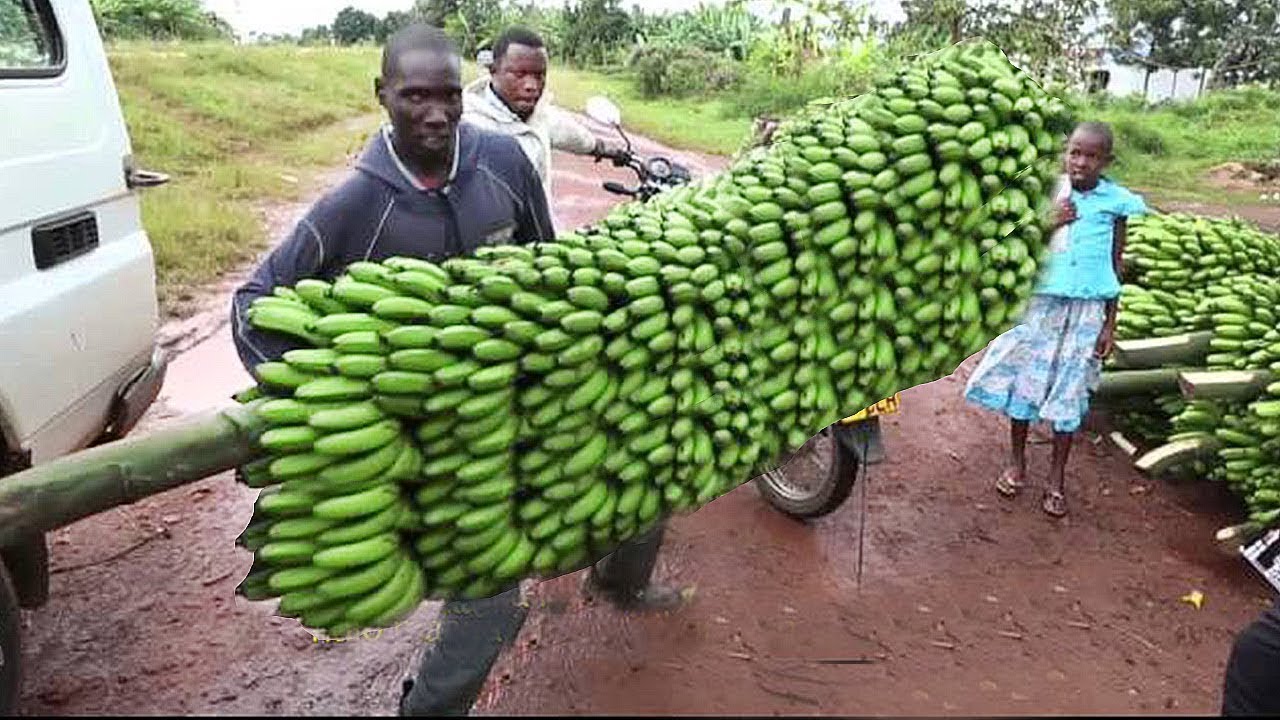
Bananas are one of the most popular and versatile fruits enjoyed around the world. From being a staple food in many tropical countries to being incorporated into various cuisines, bananas have a universal appeal that transcends borders and cultures. In this compilation post, we will explore the diverse aspects of bananas across different regions, from their cultivation and nutritional value to unique recipes and traditional uses.
Hawaii is known for its lush tropical climate, making it an ideal location for growing a variety of banana cultivars. Some of the best banana varieties grown in Hawaii include the Apple Banana (also known as Manzano), which has a sweet flavor reminiscent of apple; the Blue Java Banana with its creamy texture and hint of vanilla; and the Ice Cream Banana, known for its smooth texture and sweet taste. These Hawaiian banana varieties are not only delicious but also rich in essential nutrients like potassium, vitamin C, and fiber.
Moving to the Caribbean, bananas play a significant role in traditional cuisine across the region. Caribbean banana recipes often feature ripe bananas cooked or baked into delectable dishes such as fried plantains served as a side dish or snack, banana fritters made by mashing ripe bananas with flour and spices before frying until golden brown, or even adding sliced bananas to savory dishes like stews for a touch of sweetness.
Australia’s warm climate provides favorable conditions for growing bananas commercially. To cultivate bananas successfully in Australia, farmers employ techniques such as mulching to retain moisture in the soil, regular watering schedules to ensure proper hydration for the plants, and pest control measures to protect against common threats like fruit flies. By following sustainable farming practices, Australian banana growers can produce high-quality fruit while minimizing environmental impact.
In Africa, particularly in countries like Uganda where bananas are considered a staple food crop, there is a growing awareness of the health benefits associated with consuming bananas regularly. Bananas are rich in potassium which helps regulate blood pressure levels, dietary fiber that aids digestion and promotes gut health, as well as antioxidants like vitamin C that boost immunity. Incorporating more bananas into local diets can contribute to improved overall health outcomes within African communities.
Thailand offers a unique perspective on using bananas in culinary creations with dishes like Khanom Gluay (banana cake) made from mashed ripe bananas mixed with coconut milk and rice flour then steamed until fluffy or Kluay Tod (fried banana) where sliced unripe green bananas are coated in batter before being deep-fried until crispy. These Thai banana delicacies showcase how versatile this fruit can be when used creatively in cooking.
Costa Rica is renowned for its commitment to sustainable agriculture practices within its booming banana industry. By implementing organic farming methods that eliminate synthetic pesticides and fertilizers while promoting biodiversity through intercropping techniques with other crops like cocoa or coffee beans on banana plantations creates an eco-friendly approach towards cultivating this popular fruit.
India has a long history of utilizing all parts of the banana plant beyond just its fruit – from using dried leaves as eco-friendly plates during religious ceremonies or special occasions called “Vazhai Elai” to incorporating raw green plantains into savory dishes such as Thoran (stir-fried vegetable dish) or Aviyal (vegetable stew) showcasing how integral this plant is within Indian cultural traditions.
Brazilian cuisine offers an array of refreshing banana smoothie ideas blending ripe bananas with tropical fruits like mangoes or passionfruit along with dairy or non-dairy alternatives such as yogurt or almond milk creating creamy beverages perfect for breakfasts or snacks packed full of vitamins A & C plus essential minerals aiding hydration levels throughout hot Brazilian days.
The Philippines boasts diverse cultivation techniques employed by local farmers tending vast expanses of land dedicated solely to growing different types of Filipino native bananacultivars including Saba Bananas idealfor cooking due their firm texture when boiled fried making them suitable ingredients various Filipino desserts snacks
Ecuador highlights nutritional value fresh locally-grownbananas providing excellent source dietary fibervitamin B6 essential nutrient metabolism healthy nervous system Ecuadorians incorporatebananas daily diets through simple preparations eating raw alone added saladsor blended shakes enriching meals natural sweetness
Indonesia celebrates popularbanana snacks street vendors offering Pisang Goreng(fried batteredbanana)and Kolak(reduced coconut milk dessertwith slicedbananas palm sugar pandanus leaf creating sweet indulgence locals tourists alike enjoy exploring Indonesian culinary delights
Italy showcases decadentBanana desserts tiramisu-inspiredBanoffee Pie layering caramelizedbananas whipped cream crumbled biscuits create luscious treat appreciated dessert lovers seeking combination textures flavors single bite
Central America traces historical routesbanana trade shaping economies societies region centuries past present day connecting nations promoting economic growth fostering cultural exchange global scale
Mexico leads charge organic farmingpractices among major producers exporting organicbananasmaintaining soil fertility reducing chemical usage ensures sustainable production benefiting environment workers consumers alike Mexico’s dedication maintaining balance nature human activity sets example agricultural industries worldwide follow suit
Vietnam experiences seasonal variationsbananas influencing availability cost country Vietnamese cuisine incorporates widely consumed ingredient soups spring rolls salads main courses offering versatility flavor profile color dishes Vietnamese people cherish every stage ripeness turning humble fruit exquisite culinary delight
Jamaica honors cultural significance bananashosting annual Banana Festival celebrating diversity indigenous varieties showing appreciation deeply rooted connections Jamaican culture heritage festival attendees indulge variety bananainspired dishes drinks arts crafts music festivities exemplifying love admiration cherished fruit nation
Maldives explores art cookingusingbaking roasting grilling smoking infusing flavors aromas dining experience heightened creative useofbananain preparing seafood meat vegetarian dishes Maldivian chefs elevate traditional recipes modern twist showcasing versatility beloved ingredient kitchen
Dominican Republic intertwinesbanana plantations tourism attracting visitors learn firsthand process planting harvesting processing bananalocal farms Dominican Republic offer agro-tourism experiences allow guests immerse themselves rich history culture surrounding cultivation exportation iconic yellow fruit
Papua New Guinea showcases wealth indigenousvarieties cultivated generations sustaining communities providing important source nutrition income Papua New Guineans treasure unique flavorful kinds bananasthroughout country incorporating daily meals rituals celebrations reflecting deep connection land ancestral traditions values shared generation generation
Overall,beyond simply serving quick energy boostsnack staple ingredient countless cuisines worldwide Bananas symbolize unity diversity linkages shared humanity highlighting importance embracing learning different cultures traditions respect understanding foster appreciation bond over something simple ubiquitous humble yellow fruit

Leave a Reply