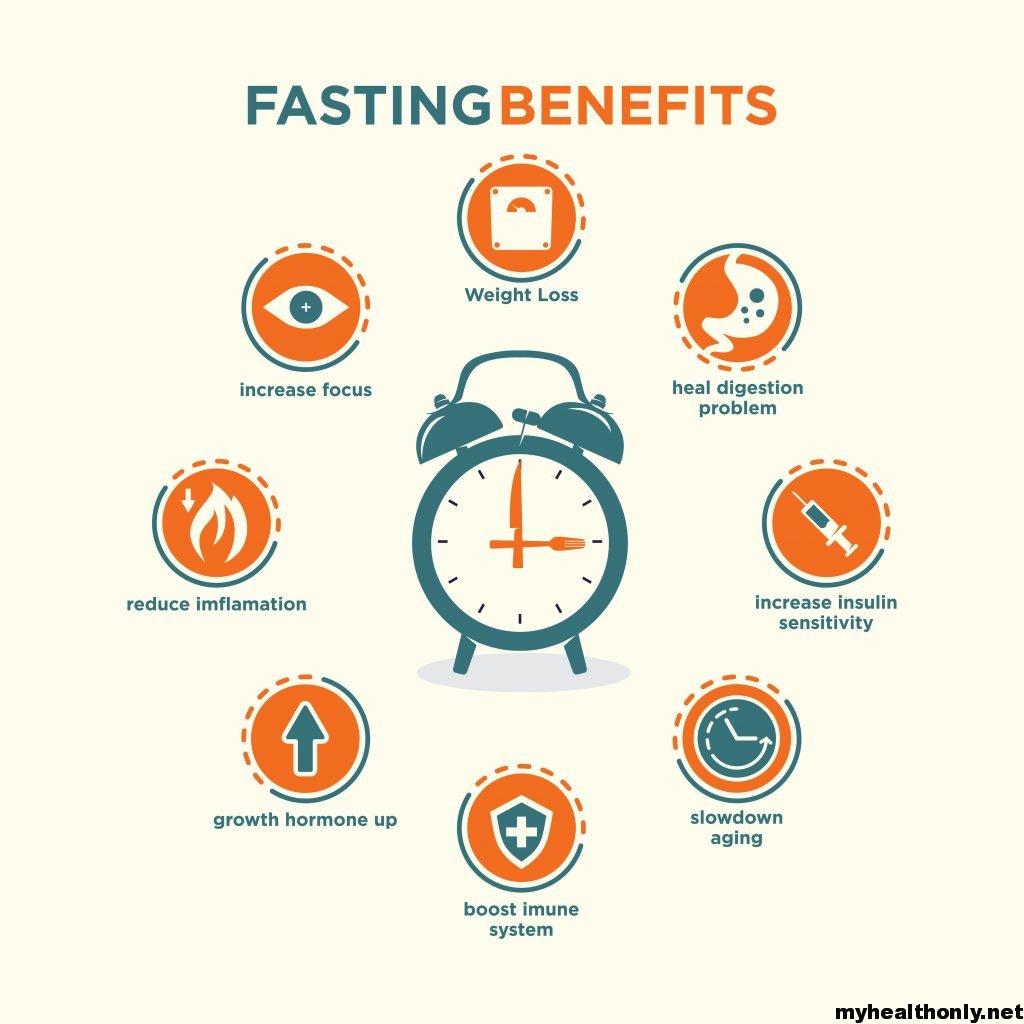
Intermittent fasting has gained popularity in recent years as a dietary approach that offers numerous health benefits, including weight loss, improved metabolism, and better blood sugar control. While intermittent fasting is often associated with general health and wellness, it also holds significant potential for athletes looking to optimize their performance and achieve their fitness goals.
Intermittent fasting involves cycling between periods of eating and fasting. This can take various forms, such as the 16/8 method where individuals fast for 16 hours each day and consume all their meals within an 8-hour window or the 5:2 diet where participants eat normally for five days a week and restrict calories on the remaining two days. The idea behind intermittent fasting is to create periods of calorie restriction that trigger metabolic changes in the body, leading to increased fat burning and other beneficial effects.
For athletes, intermittent fasting can offer several advantages when implemented correctly. One of the key benefits is improved insulin sensitivity, which can help regulate blood sugar levels more effectively during exercise. By reducing insulin resistance through intermittent fasting, athletes may experience better energy utilization and enhanced endurance during training sessions or competitions.
Moreover, intermittent fasting has been shown to promote autophagy – a cellular process that helps remove damaged cells and regenerate new ones. This process can aid in muscle recovery and repair following intense workouts, potentially reducing inflammation and speeding up healing times for athletic injuries.
In terms of body composition, intermittent fasting may also support lean muscle growth while promoting fat loss. When combined with regular strength training exercises, intermittent fasting can help maintain muscle mass while shedding excess body fat. Additionally, some studies suggest that intermittent fasting may increase levels of human growth hormone (HGH), which plays a role in muscle building and repair processes.
Athletes who practice intermittent fasting should pay close attention to their nutrient intake during eating windows to ensure they meet their energy requirements for optimal performance. It’s crucial to prioritize nutrient-dense foods such as lean proteins, whole grains, fruits, vegetables, healthy fats like avocado or nuts while limiting processed foods high in sugars or unhealthy fats.
Timing meals strategically around workouts is another essential consideration for athletes practicing intermittent fasting. Consuming protein-rich meals after training sessions can support muscle recovery and replenish glycogen stores efficiently. Pre-workout nutrition should focus on carbohydrates for sustained energy levels during exercise while still adhering to the principles of the chosen intermittent fasting protocol.
While some athletes may initially struggle with adjusting to a new eating pattern like intermittent fasting due to concerns about fueling performance adequately; proper meal planning can help mitigate any potential challenges. Working closely with a sports nutritionist or dietitian experienced in supporting athletes with dietary strategies like intermittent fasting can provide personalized guidance tailored to individual needs based on activity level intensity duration sport type personal preferences among other factors
It’s important for athletes considering incorporating intermittent fating into their routine consult healthcare professional before making any drastic changes especially if they have pre-existing medical conditions medications are pregnant breastfeeding athlete experiencing symptoms fatigue dizziness lightheadedness nausea weakness disorientation should discontinue immediately seek prompt medical attention These could be signs inadequate caloric intake dehydration electrolyte imbalances speak coach trainer doctor determine best course action moving forward
In conclusion Intermittent Fasting presents intriguing opportunity enhance athletic performance improve overall health when implemented thoughtfully under guidance qualified professionals Athletes looking experiment this dietary approach should consider carefully evaluating its compatibility individual needs goals lifestyle always prioritizing balanced nutritious food choices adequate hydration rest recovery alongside physical activity achieve long-term success both field beyond

Leave a Reply