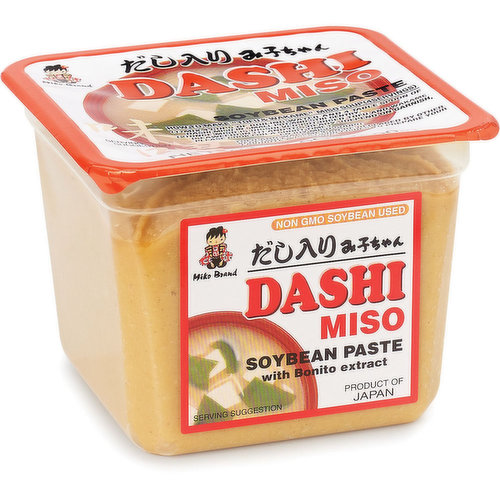
Miso, a traditional Japanese seasoning made from fermented soybeans, has been gaining popularity in the United States as a versatile and flavorful ingredient. While miso is deeply rooted in Japanese cuisine, its unique umami flavor profile and health benefits have made it a staple in American kitchens as well.
In recent years, American chefs and home cooks alike have been incorporating miso into a wide range of dishes, from soups and marinades to salad dressings and desserts. This fermented paste adds depth of flavor and richness to dishes while also providing a host of health benefits.
One of the key reasons for the growing popularity of miso in the US is its rich umami taste. Umami is often described as the fifth taste, alongside sweet, sour, bitter, and salty. Miso’s umami flavor comes from glutamic acid produced during the fermentation process. This savory taste enhances other flavors in a dish and adds complexity without overpowering them.
There are several different types of miso available in American markets, each with its own unique flavor profile. The two most common varieties are white (shiro) miso and red (aka) miso. White miso is milder and sweeter due to its shorter fermentation period, while red miso has a stronger, more pungent flavor resulting from a longer fermentation process.
In addition to soybeans, miso can be made with other grains such as rice or barley. These variations produce different colors and flavors of miso that can be used interchangeably based on personal preference or recipe requirements.
Beyond its delicious taste, miso offers numerous health benefits that make it a valuable addition to any diet. Due to the fermentation process involved in making miso, it contains probiotics that support gut health by promoting beneficial bacteria growth in the digestive system.
Miso is also rich in essential nutrients such as vitamins B12 and K2, as well as minerals like manganese and zinc. These nutrients play crucial roles in energy production, bone health, blood clotting, and immune function.
Furthermore, studies have suggested that consuming fermented foods like miso may help improve digestion by enhancing nutrient absorption and supporting overall gut health. Some research even indicates that regularly eating fermented foods could boost immunity due to their positive impact on gut microbiota.
When using miso in cooking or baking recipes for an American audience unfamiliar with this ingredient’s versatility beyond traditional Japanese dishes like Miso Soup or Miso Glazed Salmon consider highlighting how easy it is to incorporate into everyday meals:
– Mix white or yellow (mild) variety into salad dressings for added depth.
– Use darker varieties for marinades on proteins before grilling or roasting.
– Add spoonfuls of mixed variety into vegetable stir-fries for extra savory notes.
– Incorporate small amounts into baked goods like cookies or brownies for unexpected richness.
– Combine with butter or mayo for spreads on sandwiches instead of regular condiments.
With these simple tips incorporated alongside basic information about what exactly makes up an authentic American version versus something more traditionally associated solely within Japan’s borders – readers will feel encouraged not only try out new recipes but experiment further themselves within their comfort zones!

Leave a Reply