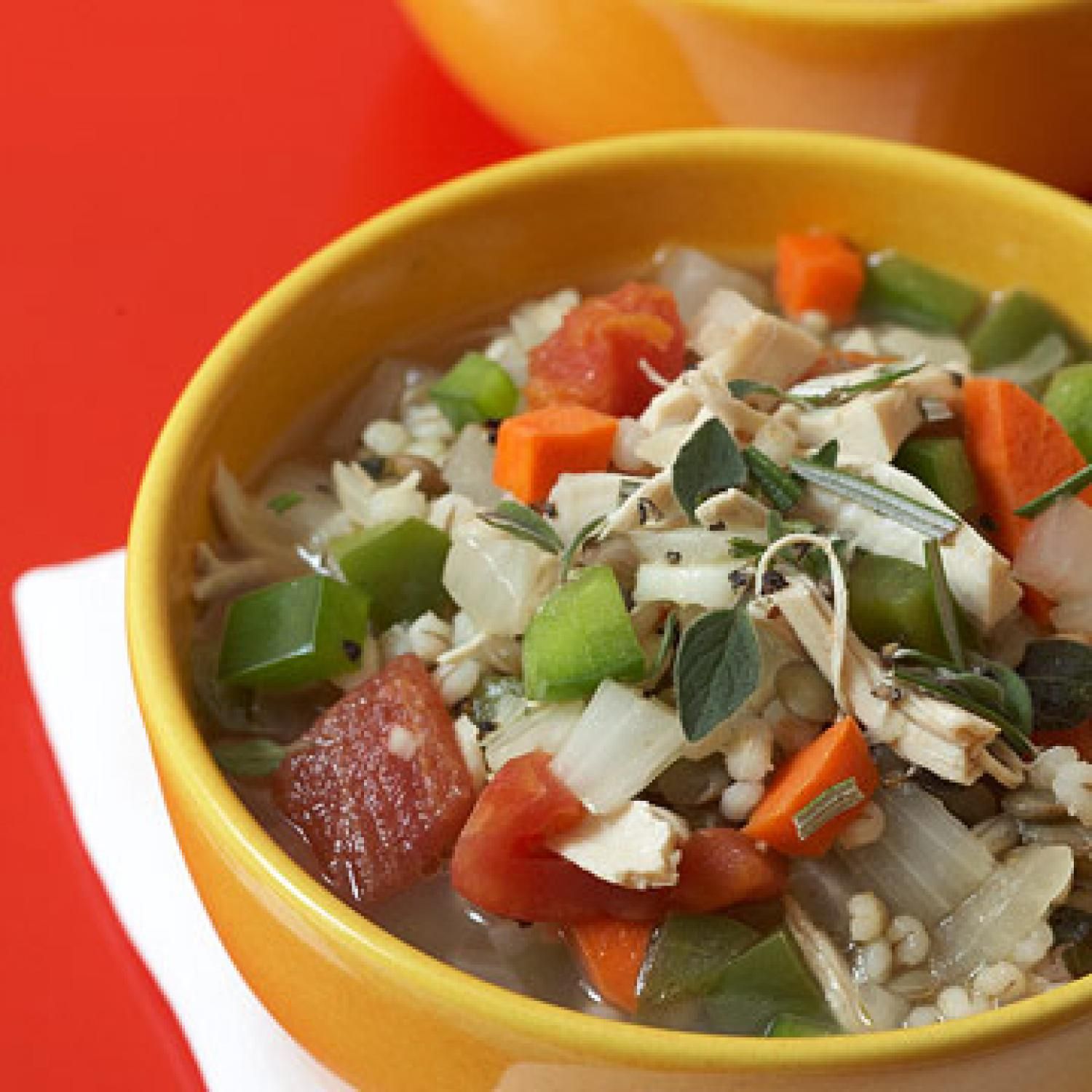
When it comes to healthy eating, soups and stews are versatile options that can be both nutritious and satisfying. Low-fat versions of these comforting dishes are great choices for those looking to maintain a balanced diet without sacrificing flavor. By choosing lean proteins, plenty of vegetables, and using cooking methods that minimize added fats, you can enjoy delicious soups and stews that are good for your body.
One of the key benefits of low-fat soups and stews is their high nutrient density. By including a variety of vegetables such as carrots, celery, onions, bell peppers, and leafy greens like spinach or kale, you can boost the vitamin and mineral content of your meal. These ingredients also add fiber which helps with digestion and keeps you feeling full longer.
Incorporating lean proteins like chicken breast, turkey breast, or tofu into your soups and stews provides essential amino acids for muscle maintenance and repair. Opting for low-sodium broth or making your own broth from scratch allows you to control the salt content in your dish. Additionally, using whole grains like quinoa or brown rice instead of white rice or pasta adds complex carbohydrates that release energy slowly throughout the day.
To keep fat content low in soups and stews without compromising on taste, there are several cooking techniques you can employ. Sauteeing aromatics like garlic and onions in a small amount of olive oil before adding liquid can enhance flavors without excess fat. Skimming off any visible fat that rises to the surface while simmering meat-based broths can reduce overall fat content.
Another strategy is to refrigerate your soup or stew after cooking so that solidified fats rise to the top and can be easily removed before reheating. You can also use thickening agents like pureed vegetables or beans instead of heavy creams or butter to create a creamy texture without adding extra fat.
Experimenting with herbs and spices is another way to enhance the flavor profile of your low-fat soups and stews without relying on added fats. Fresh herbs like parsley, cilantro, basil, thyme, or rosemary bring brightness and depth to your dishes while spices such as cumin, paprika, turmeric, or chili powder add complexity without extra calories.
When it comes to serving low-fat soups and stews as part of a balanced meal plan, consider pairing them with whole grain bread or a side salad for added nutrients. Including a source of healthy fats like avocado slices or a drizzle of olive oil over the finished dish provides satiety while boosting heart-healthy monounsaturated fats.
In conclusion,
low-fat
soups
and
stews
are
nutrient-dense,
flavorful,
and
satisfying
options
for
those
looking
to
maintain
a
healthy
eating
routine.
By incorporating lean proteins,
an abundance
of vegetables,
and utilizing cooking methods that limit added fats,
you
can enjoy delicious meals that support your well-being.
With some creativity in ingredient selection
and culinary techniques,
you’ll find that low-
fat doesn’t mean less tasty when it comes
to hearty bowls
of goodness!

Leave a Reply