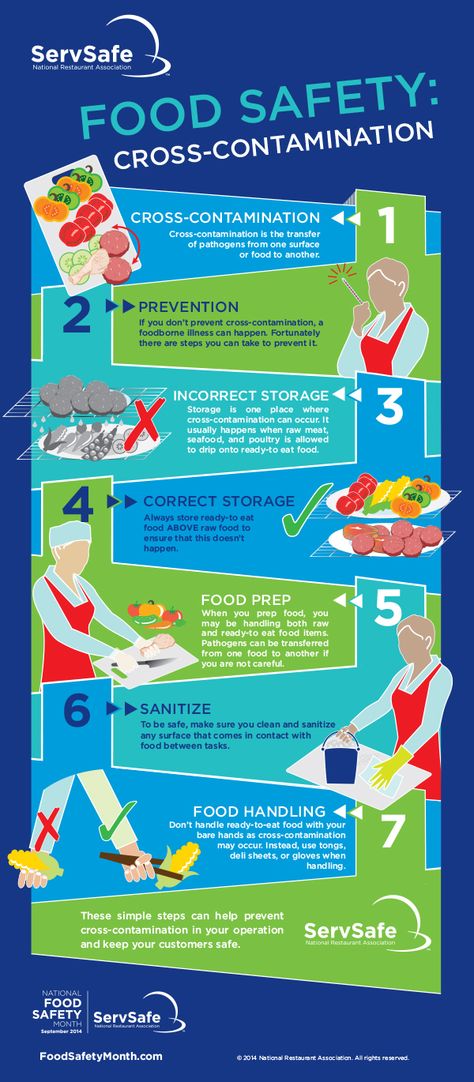
Cross-contamination is a serious risk in the kitchen that often goes unnoticed or underestimated. It occurs when harmful bacteria from one food item are transferred to another, potentially leading to foodborne illnesses. While most people are aware of the importance of proper cooking and storage techniques to prevent foodborne illness, cross-contamination is an equally significant factor that should not be overlooked.
One common scenario where cross-contamination can occur is during food preparation. For example, if you use the same cutting board and knife to chop raw chicken and then proceed to chop vegetables without washing them in between, you are putting yourself at risk. The bacteria present in raw chicken, such as salmonella or Campylobacter, can easily transfer to the vegetables and contaminate them. This can happen even if the vegetables will be cooked later on because the bacteria may still survive and pose a health risk.
Another common source of cross-contamination is through utensils and kitchen equipment. For instance, using the same spatula to flip raw burgers on the grill and then using it again for serving cooked burgers can lead to contamination. Similarly, mixing bowls or measuring cups that have been used for handling raw meat should not be used for other ingredients without thorough cleaning first.
It’s not just limited to solid foods either; liquids can also pose a threat of cross-contamination. If you use a spoon to taste raw cookie dough batter and then dip it back into the batter after baking cookies without washing it first, you’re risking transferring any harmful bacteria present in your mouth back into the baked goods.
Even seemingly harmless items like dish towels or sponges can become sources of cross-contamination if they are used interchangeably between wiping up spills from raw meats and clean surfaces. These linens should be washed frequently with hot water and detergent separately from other laundry items to prevent spreading any potential contaminants.
To minimize these risks, there are several simple yet effective steps you can take in your kitchen:
1. Use separate cutting boards for raw meat, poultry, seafood, fruits/vegetables: This helps prevent any potential pathogens from spreading between different types of foods.
2. Wash hands thoroughly before and after handling different types of foods: Proper hand hygiene is crucial in preventing cross-contamination.
3. Clean utensils thoroughly between uses: Make sure knives, cutting boards, measuring cups/spoons are washed with hot soapy water or run through a dishwasher cycle before reusing them for different purposes.
4. Store foods properly: Keep raw meats separate from ready-to-eat foods in your fridge/freezer to avoid any drips or leaks contaminating other items.
5. Use color-coded tools/kitchenware: Assign specific colors for each type of food (e.g., red for meat/poultry/fish; green for fruits/vegetables) so you know which ones shouldn’t mix.
By following these guidelines diligently every time you cook or handle food at home or work ensures safety while also preventing unpleasant surprises like unexpected stomach bugs due to carelessness with basic precautions against cross-contamination issues!

Leave a Reply