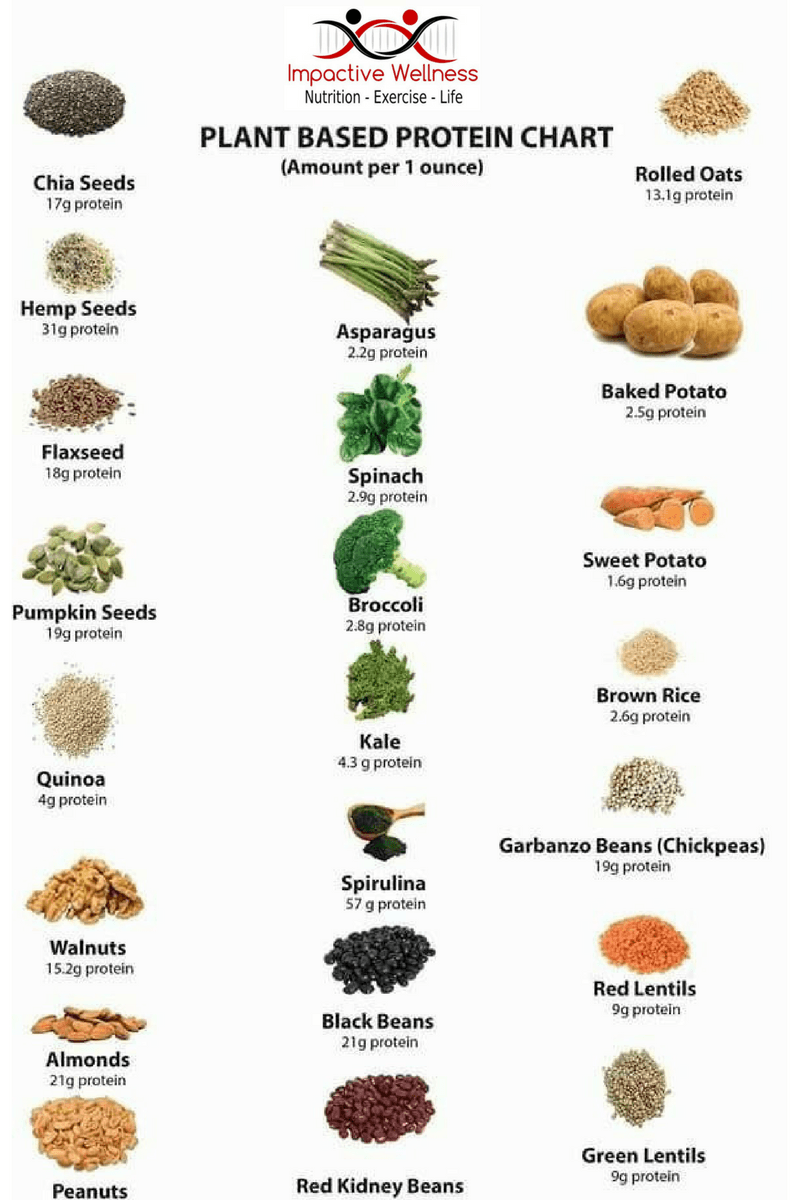
Sure, here is the detailed article about plant-based protein sources:
—
Today, we are diving into the world of plant-based protein sources. Whether you are vegan, vegetarian, or simply looking to incorporate more plant-based options into your diet, there are plenty of options available that can help you meet your protein needs while nourishing your body with essential nutrients.
One of the most popular and versatile plant-based protein sources is tofu. Made from soybeans, tofu is a great source of complete protein and contains all nine essential amino acids that our bodies need. It can be grilled, baked, stir-fried, or blended into smoothies to add a boost of protein to any meal.
Another excellent plant-based protein source is tempeh. Like tofu, tempeh is also made from soybeans but undergoes fermentation which makes it easier for our bodies to digest. Tempeh has a nutty flavor and a firm texture that works well in sandwiches, salads, and as a meat substitute in various dishes.
Legumes such as beans, lentils, chickpeas, and peas are fantastic sources of plant-based protein. They are also rich in fiber which helps with digestion and keeps you feeling full longer. Beans can be added to soups and stews, mashed for dips like hummus or refried beans, or mixed into salads for an extra punch of protein.
Quinoa is another powerhouse when it comes to plant-based proteins. This ancient grain is not only high in protein but also packed with important nutrients like iron and magnesium. Quinoa makes a great base for salads or can be served as a side dish alongside vegetables for a balanced meal.
Nuts and seeds are excellent sources of healthy fats and proteins. Almonds, walnuts, chia seeds, hemp seeds, flaxseeds – the list goes on! These nutrient-dense foods can be sprinkled over oatmeal or yogurt for breakfast or used as toppings for salads and smoothie bowls.
Spirulina and nutritional yeast may not be as commonly known but they are both potent sources of plant-based proteins. Spirulina is a blue-green algae rich in antioxidants while nutritional yeast has a cheesy flavor profile making it perfect for adding umami taste to dishes like pasta sauces or popcorn.
For those who enjoy snacking on the go or need quick energy boosts throughout the day, protein-rich snacks like edamame beans (young soybeans), roasted chickpeas or seed butter spread on whole grain toast make convenient options that deliver both taste and nutrition.
Incorporating these diverse plant-based proteins into your diet not only helps you meet your daily protein requirements but also introduces variety in flavors and textures that can make eating healthily enjoyable and satisfying.
Remember to listen to your body’s needs and consult with a nutritionist if you have specific dietary requirements or health concerns before making significant changes to your diet plan.
—
This comprehensive guide provides insights on different types of Plant-Based Protein Sources that will appeal even more readers aiming at incorporating healthier eating habits within their lifestyle choices.

Leave a Reply