Farro, a nutrient-rich ancient grain, is gaining popularity in the health and wellness world for its numerous health benefits and versatility in cooking. Believed to have originated in Mesopotamia over 10,000 years ago, farro has been a staple food in Mediterranean cuisine for centuries. This whole grain is derived from wheat varieties such as emmer, spelt, or einkorn and offers a nutty flavor and chewy texture that can enhance both sweet and savory dishes.
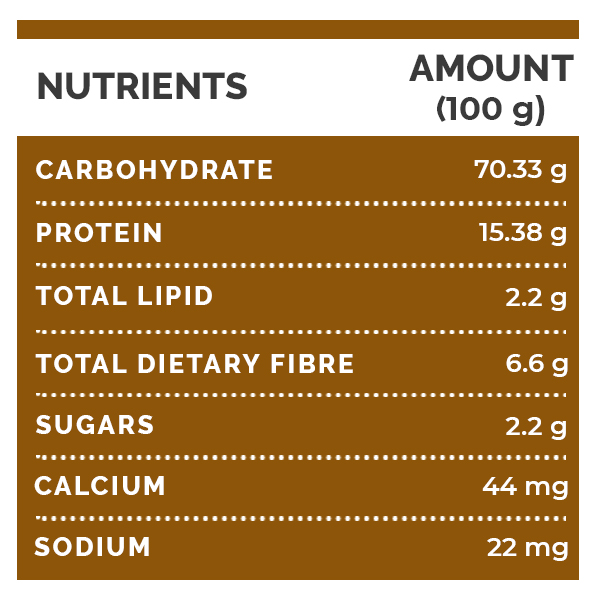
One of the key reasons farro has become a favorite among health-conscious individuals is its impressive nutritional profile. Farro is an excellent source of complex carbohydrates, providing sustained energy release throughout the day. It also contains high levels of fiber, which supports digestive health by promoting regular bowel movements and aiding in weight management. Additionally, farro is rich in protein compared to other grains, making it an ideal choice for vegetarians and vegans looking to increase their protein intake.
In terms of micronutrients, farro boasts an array of essential vitamins and minerals that contribute to overall well-being. It is particularly high in B vitamins such as niacin (B3), which plays a crucial role in metabolism and energy production. Farro also contains minerals like magnesium, iron, zinc, and phosphorus that are vital for bone health, immune function, and muscle repair.
Another notable benefit of incorporating farro into your diet is its potential to lower the risk of chronic diseases such as heart disease and diabetes. The soluble fiber found in farro helps reduce cholesterol levels by binding with bile acids in the digestive system and eliminating them from the body. This mechanism can lead to improved heart health and lowered risk of cardiovascular issues.
Moreover, the complex carbohydrates present in farro have a low glycemic index (GI), meaning they cause slower increases in blood sugar levels compared to refined grains like white rice or pasta. By choosing farro as a carbohydrate source instead of processed options, individuals can better manage their blood sugar levels and reduce the likelihood of developing type 2 diabetes.
When it comes to cooking with farro, there are various methods you can explore to enjoy this versatile grain. Farro can be cooked similarly to rice or quinoa by simmering it in water or broth until tender yet slightly chewy. This cooked farrow can then be used as a base for salads, soups, stews or served as a side dish alongside roasted vegetables or proteins like chicken or fish.
For those looking for quicker meal solutions using faro there are pre-cooked versions available that only require reheating before being added into recipes again adding convenience without sacrificing on nutrition quality.
Additionally; Faro flour has started gaining popularity due do people looking out for gluten alternative flours . When used baked goods ,it adds complexity & flavour not found with traditional wheat based flour.
As summer approaches one could opt making refreshing salads using precooked alternating between different types (emmer/spelt/einkorn) dressed with vinaigrette infused olive oil & garnished nuts/seeds/ fruits .
Whether you prefer warm hearty dishes during winter months ,farinata – Italian chickpea flatbread will definitely satisfy your hunger cravings.
With so many ways to incorporate this nutritious grain into your meals ,faros culinary uses surpasses beyond just salad bowls which makes it worth exploring .
In conclusion; Including this nutrient-dense whole grain into your diet may offer numerous health benefits while adding depth & richness flavours across multiple cuisines ensuring both taste buds & bodily requirements remain satisfied .

Leave a Reply