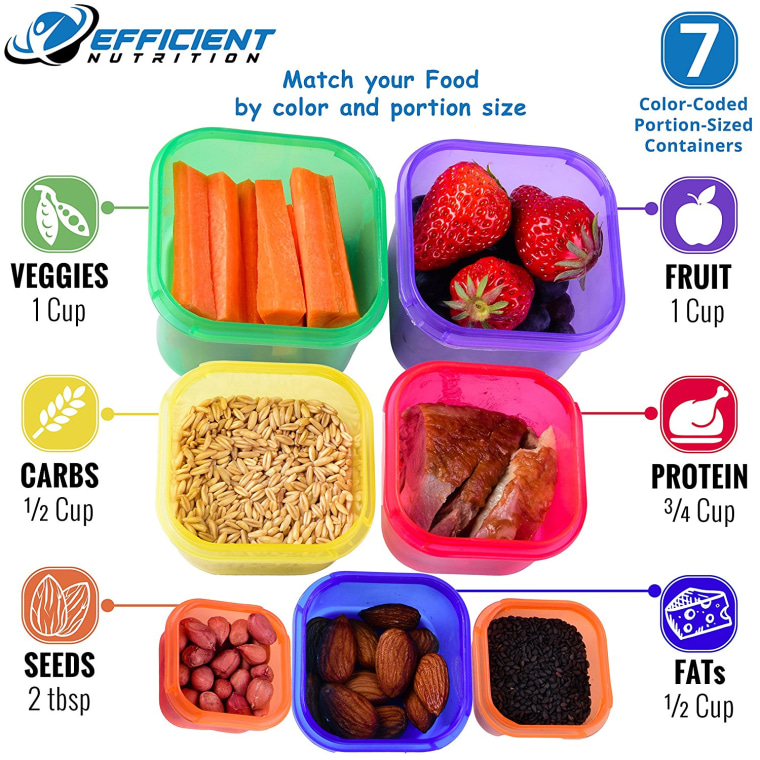
When it comes to maintaining a healthy diet, portion control plays a crucial role in managing caloric intake and ensuring that you are consuming the right amount of nutrients. However, accurately measuring portions can be challenging, especially when trying to eyeball serving sizes. That’s where portion control tools come in handy.
In this article, we will explore cost-effective portion control tools that can help you manage your food intake and support your health goals.
1. **Measuring Cups and Spoons**: Measuring cups and spoons are simple yet effective tools for controlling portion sizes. They allow you to accurately measure out ingredients such as grains, fruits, vegetables, and liquids. Investing in a set of measuring cups and spoons is an affordable way to ensure you are not overeating or underestimating your portions.
2. **Food Scale**: A food scale is another essential tool for precise portion control. While measuring cups provide approximate measurements, a food scale offers more accuracy by allowing you to weigh your food items in grams or ounces. This is particularly helpful when it comes to proteins like meat or fish, where serving sizes can vary significantly based on weight.
3. **Portion Control Plates**: Portion control plates are designed with designated sections for different food groups such as proteins, carbohydrates, vegetables, and fats. These plates serve as visual aids to guide you on how much of each type of food should be on your plate at mealtimes.
4. **Divided Containers**: Divided containers make meal prep easy by allowing you to portion out different components of your meal in separate compartments. This not only helps with controlling serving sizes but also makes it convenient to pack balanced meals for work or travel.
5. **Portion Control Glasses**: Just like plates with designated sections, portion control glasses have markings indicating specific volumes for liquids such as water or juice. This can be helpful if you’re trying to monitor your fluid intake throughout the day.
6 .**Color-Coded Utensils**: Color-coded utensils are a fun way to keep track of portion sizes without having to constantly refer back to measurement guides. For example, using green utensils for vegetables and red ones for protein can help visually cue appropriate portions on your plate.
7 .**Digital Apps**: In addition to physical tools, there are also digital apps available that can assist with portion control by providing nutritional information and tracking daily intake. Some popular apps include MyFitnessPal, Lose It!, and Fitbit’s food logging feature.
8 .**Bento Boxes**: Bento boxes have gained popularity not only for their aesthetic appeal but also for their practicality in promoting balanced meals with controlled portions. These compartmentalized lunch boxes make it easy to pack diverse foods without going overboard on any one item.
9 .**Plate Dividers**: Plate dividers sit directly on top of regular dinner plates and create sections for different food groups similar to portion control plates mentioned earlier. They offer a quick solution for those who prefer using their existing dishes while still monitoring serving sizes effectively.
10 .**Kitchen Scales With Nutritional Information Database:** For those looking for advanced features beyond basic weighing functions,
there are kitchen scales available that come equipped with built-in databases containing nutritional information about various foods.
This allows users not only
to measure weights accurately but also calculate calories,
macros,
and other key nutrients effortlessly.
These smart scales can be synced with fitness apps
for seamless tracking
of dietary intake.
In conclusion,
portion control tools come in various forms
and cater
to different preferences
and lifestyles.
Whether you prefer traditional methods like measuring cups
and spoons
or opt
for modern solutions like digital apps
and smart scales,
finding the right tool that fits into your routine is key.
Investing in cost-effective portion control tools
can help promote mindful eating habits,
support weight management goals,
and contribute positively towards overall health outcomes.
Remember,
portion control is just one aspect of maintaining a balanced diet;
it’s essential
to combine these efforts with regular physical activity,
adequate hydration,
and overall healthy eating choices
to achieve optimal well-being.
By incorporating these cost-effective
portion-control tools into your daily routine,
you’ll be better equipped
to make informed decisions about what
you eat
and how much
you consume.
Ultimately,
these small changes
can lead
to significant improvements
in both
your physical health
and overall quality
of life.

Leave a Reply