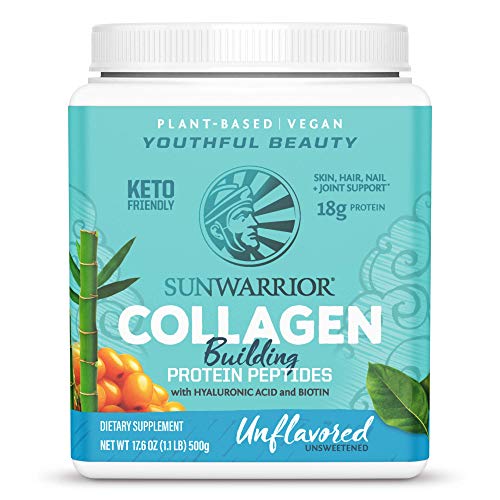
Collagen Supplements for Vegetarians:
Collagen is a protein that serves as a building block for our skin, bones, tendons, ligaments, and other connective tissues. While traditionally sourced from animal products like beef, chicken, and fish, there are now options available for vegetarians and vegans to boost their collagen intake without compromising their dietary preferences.
For those following a plant-based diet, collagen supplements derived from plant sources such as algae or specific fruits and vegetables can provide an alternative to animal-derived collagen products. These plant-based collagen supplements often contain ingredients like vitamin C, which is essential for collagen synthesis in the body.
In recent years, vegetarian-friendly collagen supplements have gained popularity among individuals looking to support their skin health, joint function, and overall well-being without consuming animal products. By incorporating these supplements into their daily routine, vegetarians can ensure they are meeting their body’s needs for collagen production and maintenance.
Collagen and Gut Health:
The gut plays a crucial role in overall health by aiding digestion, absorbing nutrients, and supporting the immune system. Collagen is beneficial for gut health as it helps strengthen the intestinal lining and supports the growth of beneficial bacteria in the gut microbiome.
Consuming collagen-rich foods or supplements can help improve gut integrity and reduce inflammation in the digestive tract. This can lead to better digestion, nutrient absorption, and overall gut function. Additionally, collagen may help alleviate symptoms of conditions like leaky gut syndrome by promoting healing in the intestinal wall.
Including collagen in your diet through sources like bone broth or collagen peptides can contribute to a healthy gut environment and support optimal digestive wellness.
Collagen in Traditional Cuisines:
Collagen-rich foods have long been staples in traditional cuisines around the world. Bone broth is one such example that has been consumed for centuries due to its high collagen content. In Asian cultures, dishes like soups made with chicken feet or pig trotters are popular sources of collagen that are believed to promote skin elasticity and joint health.
In Western cuisines, slow-cooked stews using cuts of meat with connective tissue are common ways of incorporating collagen into meals. These traditional dishes not only offer nutritional benefits but also showcase how different cultures value the importance of collagen-rich foods for overall health and well-being.
By exploring traditional recipes from various culinary traditions worldwide, individuals can discover new ways to incorporate collagen into their diets while enjoying delicious flavors unique to each culture.
Collagen & Weight Management:
Maintaining a healthy weight is essential for overall well-being as excess body fat can contribute to inflammation and negatively impact metabolic health. Collagen peptides have gained attention for their potential role in supporting weight management efforts due to their satiating effect on appetite regulation.
Including collagen supplements or foods rich in this protein as part of a balanced diet may help promote feelings of fullness and prevent overeating. This can be especially beneficial for individuals looking to manage portion control or reduce snacking between meals while working towards weight loss goals.
Additionally,
(Continued…)

Leave a Reply