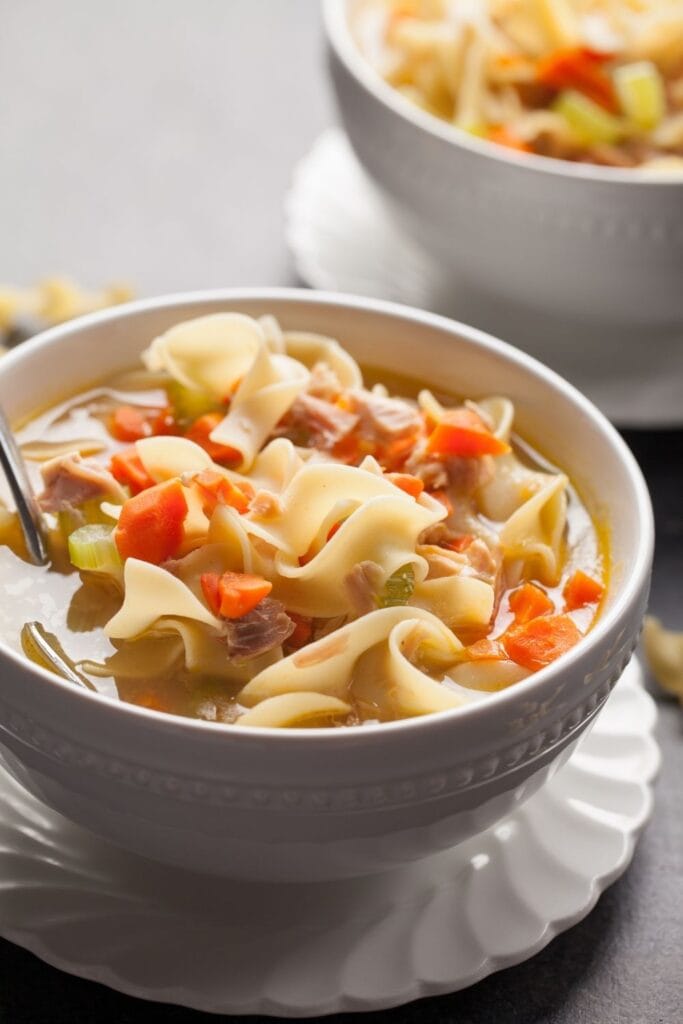
Switching to a low-sodium diet can have numerous health benefits, especially for those looking to reduce their risk of heart disease and manage conditions like hypertension. However, many people struggle with the idea that low-sodium means sacrificing flavor. In reality, there are plenty of delicious ways to enjoy a low-sodium lifestyle without compromising on taste.
### Understanding Low-Sodium Swaps
One of the first steps in transitioning to a low-salt diet is understanding which high-sodium ingredients you can swap out for healthier alternatives. For example, instead of using regular table salt in your cooking or at the table, experiment with herbs and spices like garlic powder, onion powder, cumin, paprika, turmeric, or fresh herbs like basil and parsley. These additions can add depth and complexity to your dishes without relying on sodium.
### Flavorful Low-Sodium Recipes
Here are some flavorful recipes you can try:
1. **Lemon Herb Chicken**: Marinate chicken breasts in lemon juice, olive oil, minced garlic, and herbs like rosemary and thyme before grilling or baking.
2. **Quinoa Salad**: Mix cooked quinoa with diced cucumbers, tomatoes, bell peppers, red onions, fresh mint leaves for a refreshing salad dressed with olive oil and lemon juice.
3. **Vegetable Stir-Fry**: Sauté mixed veggies like broccoli florets, bell peppers strips; snow peas in a mix of ginger-garlic paste along with reduced sodium soy sauce.
### Low-Sodium Meal Prep Ideas
Meal prepping is an excellent way to ensure you have healthy options readily available throughout the week. Consider preparing batches of:
– Lean proteins such as grilled chicken breast or baked fish.
– Whole grains like brown rice or quinoa.
– Roasted vegetables seasoned with herbs and spices.
– Bean salads dressed with vinegar and olive oil instead of salty dressings.
### Low-Sodium Snacks
When it comes to snacking on a low-salt diet:
– Choose fresh fruits or vegetables.
– Air-popped popcorn seasoned with nutritional yeast for a savory kick.
– Nuts (in moderation) for healthy fats but opt for unsalted varieties.
### Dining Out on a Low-Sodium Diet
When dining out:
– Opt for steamed or grilled dishes over fried options.
– Ask for sauces on the side so you can control how much you use.
– Request dishes be prepared without added salt if possible.
### Benefits of a Low-Sodium Diet
A low-salt diet has various benefits including:
1. Reduced risk of high blood pressure: Excessive sodium intake is linked to hypertension which increases heart disease risks.
2. Better kidney function: Lowering sodium intake lessens strain on kidneys that filter excess sodium from blood reducing potential kidney issues later in life.
### Incorporating Herbs & Spices
Herbs & spices not only enhance flavors but also provide additional health benefits:
1. Turmeric has anti-inflammatory properties beneficial against inflammatory diseases
2.Cinnamon helps regulate blood sugar levels aiding diabetes management
### Hydration & Electrolyte Balance
Maintaining proper hydration becomes crucial when reducing sodium intake as electrolyte balance could be affected leading to symptoms like muscle cramps or weakness – consuming adequate water paired with hydrating foods becomes essential here.
In conclusion…
Switching to a low-salt diet doesn’t mean giving up flavor – it’s about being creative with alternative seasonings while prioritizing whole foods over processed ones rich in hidden salts! Your heart will thank you in the long run!

Leave a Reply