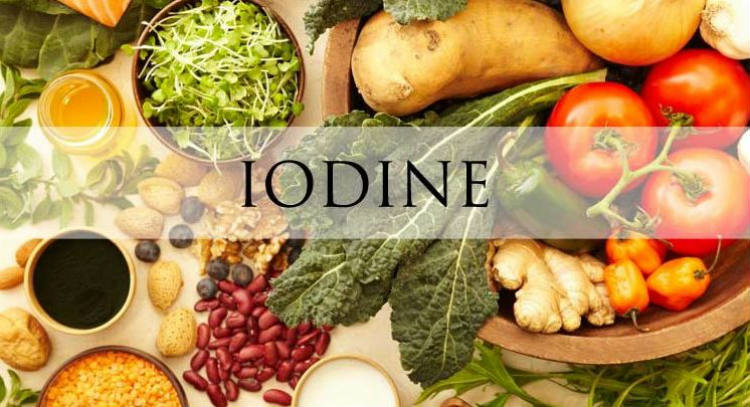
Iodine is a vital mineral that plays a crucial role in maintaining overall health and well-being. While it is needed in only small amounts, iodine deficiency can have serious consequences on our physical and mental health. Let’s delve into the importance of iodine in the diet and how you can ensure you are getting enough of this essential nutrient.
One of the primary functions of iodine is its role in thyroid hormone production. The thyroid gland utilizes iodine to produce hormones that regulate metabolism, growth, and energy production. Without sufficient iodine, the thyroid gland cannot function properly, leading to conditions such as hypothyroidism or goiter.
Iodine also plays a critical role during pregnancy and infancy. Adequate levels of iodine are essential for proper brain development in fetuses and young children. Pregnant women need higher levels of iodine to support their own health as well as the healthy development of their baby’s brain and nervous system.
The most common source of dietary iodine is found in iodized salt. In many countries, salt is fortified with iodine to help prevent deficiencies. However, if you avoid using table salt or consume minimal processed foods, you may not be getting enough iodine from your diet alone.
Seafood is another excellent source of dietary iodine. Fish and seaweed contain high levels of this mineral due to its presence in ocean water. Incorporating seafood into your diet regularly can help boost your iodine intake naturally.
Dairy products like milk, yogurt, and cheese also provide a good amount of iodine. Additionally, eggs are a decent source of this essential mineral.
For those following a plant-based diet or who have specific dietary restrictions, there are other ways to ensure adequate intake of iodine. Seaweed or kelp supplements can be taken to increase levels if necessary; however it’s important not to exceed recommended dosages as excessive intake can lead to negative health effects.
It’s worth noting that too much iodide can also be harmful so it’s best to consult with a healthcare provider before supplementing with large doses.
In conclusion, ensuring an adequate intake of dietary sources rich in iodi

Leave a Reply