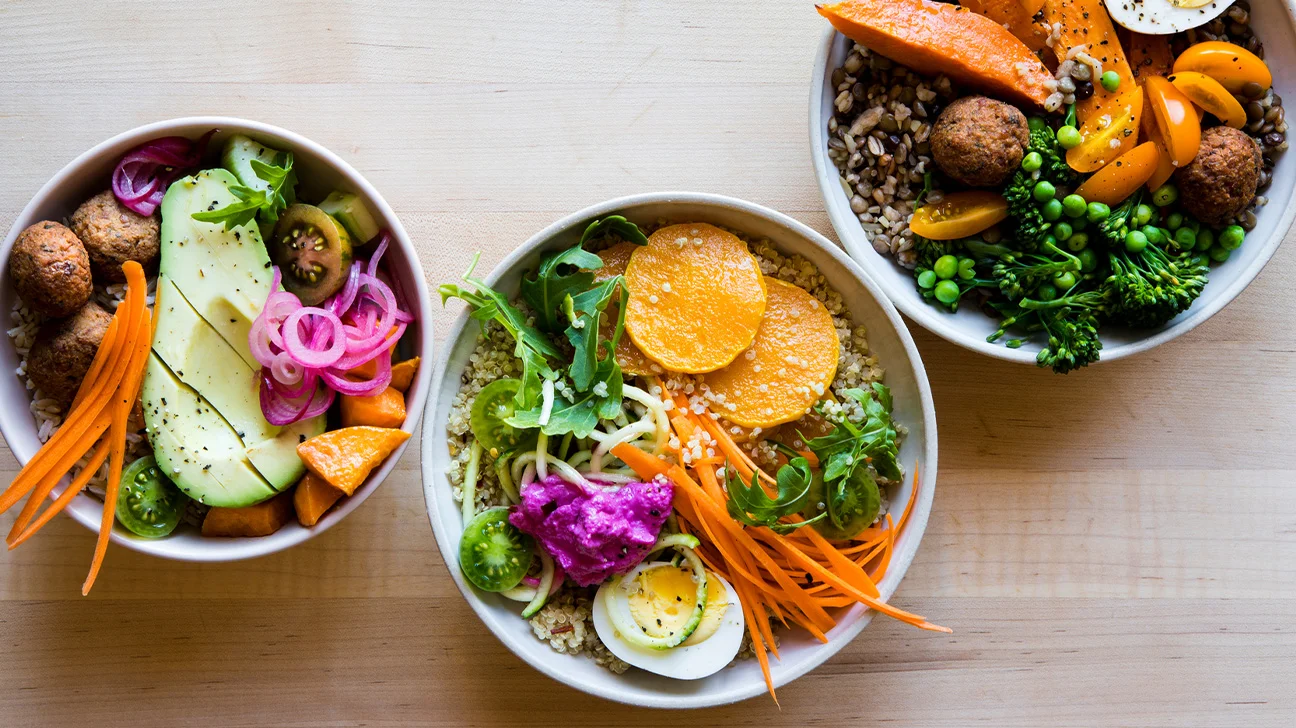
Low-fat cooking doesn’t have to mean sacrificing flavor or breaking the bank. With a few simple tips and tricks, you can enjoy delicious and healthy meals while also saving money. In this article, we will explore some practical strategies for low-fat cooking on a budget.
1. **Plan Ahead**
One of the most effective ways to save money on low-fat cooking is to plan your meals in advance. Take some time each week to create a meal plan and make a shopping list based on that plan. This will help you avoid impulse buys and ensure that you have all the ingredients you need for healthy meals throughout the week.
2. **Buy in Bulk**
Buying certain staples in bulk can be more cost-effective in the long run. Items like whole grains, beans, lentils, and spices are often cheaper when purchased in larger quantities. Consider purchasing these items from bulk bins or warehouse stores to save money over time.
3. **Use Seasonal Produce**
In-season fruits and vegetables are not only fresher and tastier but also more affordable than their out-of-season counterparts. Visit local farmers’ markets or shop at grocery stores that offer seasonal produce to take advantage of lower prices on fresh ingredients for your low-fat recipes.
4. **Opt for Plant-Based Proteins**
Meat can be one of the most expensive components of a meal, especially lean cuts of meat like chicken breast or fish. To save money while still getting an adequate amount of protein, consider incorporating plant-based sources such as beans, lentils, tofu, tempeh, or edamame into your meals.
5. **Limit Processed Foods**
Processed foods like pre-packaged snacks, frozen meals, and sugary drinks tend to be high in unhealthy fats and additives while also being costly compared to whole foods. By limiting your intake of processed foods and focusing on whole ingredients like fruits, vegetables, whole grains, nuts/seeds; you’ll not only improve the nutritional quality of your meals but also cut down on expenses.
6. **Cook at Home**
Eating out at restaurants or ordering takeout regularly can quickly add up both financially and calorically since restaurant dishes often contain higher amounts of fat than homemade versions due to added oils/butter/cheese/sauces etcetera). By preparing meals at home using fresh ingredients with minimal added fats (and controlling portion sizes), you can significantly reduce costs while maintaining control over what goes into your food.
7** .Embrace Simple Cooking Techniques**
There’s no need for fancy gadgets or complicated recipes when it comes to low-fat cooking on a budget – simplicity is key! Try steaming veggies instead of sautéing them in oil; grilling meats instead frying them; baking potatoes rather deep-frying them etcetera). These techniques not only minimize added fats but also allow flavors shine through without overshadowing by heavy sauces or excessive seasonings – which means less expenses overall!
8** .Make Your Own Sauces/Dressings**
Store-bought sauces dressings often packed sugars sodiums preservatives order extend shelf life – none good health wallet! Luckily making own condiments home inexpensive easy do require much effort all – just basic pantry staples herbs/spices fruits vinegars oils et cetera) plus blender food processor mix together desired consistency taste adjust needed voilà! You’ve got yourself flavorful customized sauce dressing fraction cost store-bought equivalents
9** .Repurpose Leftovers
Instead letting leftovers go waste transform new delicious dishes next day repurposing leftover proteins veggies grains pasta soups stews casseroles salads sandwiches wraps tacos burritos et cetera). Not creative kitchen? No problem quick search online yield myriad recipe ideas inspiration websites apps dedicated helping utilize odds ends fridge pantry maximize food usage minimize waste say hello tasty budget-friendly creations!
10** .Don’t Be Afraid Experiment
Last don’t afraid experiment kitchen trying new ingredients flavors recipes expand culinary horizons who knows might discover favorite dish along way surprise loved ones innovative creations! And remember mistakes happen part learning process embrace journey towards healthier eating habits mindful spending sure reap rewards long run physically financially emotionally well done give pat back knowing taking steps better self wellbeing future generations planet large cheers happy healthy cooking!.

Leave a Reply