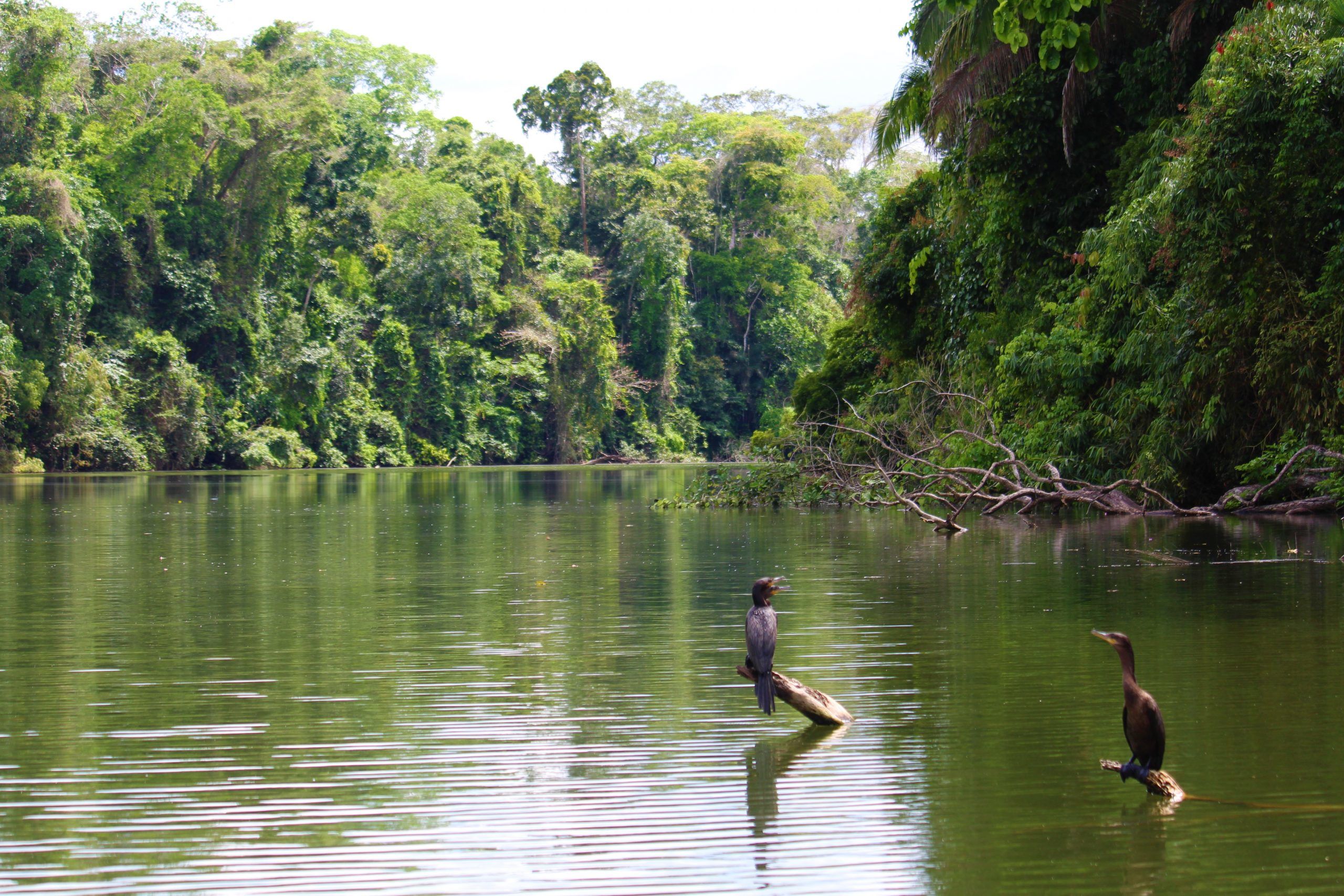
When it comes to water sources in the Amazon Rainforest, there is an abundance of natural options available for hydration. The Amazon Rainforest, often referred to as the “lungs of the Earth,” is home to a complex network of rivers and streams that provide fresh water to its diverse ecosystem. While exploring this lush environment, it’s essential for adventurers to be mindful of where they source their drinking water from.
One traditional method that has been used by indigenous communities in the Amazon for centuries is collecting rainwater. This practice involves capturing rainwater during the wet season using various containers or systems and storing it for consumption during drier periods. Not only does this method ensure a clean and reliable source of hydration, but it also promotes sustainable water usage within the region.
Another common way to access drinking water in the Amazon Rainforest is through natural springs and creeks. These sources typically offer crisp and clear water that is safe for consumption after proper filtration or purification methods are applied. It’s important for visitors to be cautious when selecting which springs or creeks to draw water from, as some may be contaminated due to human activities or animal presence.
For those looking to stay hydrated while traversing through the dense foliage of the Amazon, bringing along portable water filters or purification tablets can be beneficial. These tools help remove impurities and pathogens from potentially questionable sources, ensuring a safer drinking experience while on-the-go.
In contrast, Japan boasts a rich tradition when it comes to hydration practices rooted in cultural customs and health benefits. One such tradition is drinking hot green tea throughout the day. Green tea not only provides hydration but also offers antioxidant properties that promote overall well-being.
During summer months in Japan, people often indulge in cooling beverages like barley tea (mugi-cha) or plum vinegar drinks (umeboshi). These refreshing options help combat dehydration caused by high temperatures and humidity levels prevalent during this season.
Moreover, Japanese cuisine includes hydrating foods such as fruits like melons and citrus varieties which have high water content. Incorporating these into daily meals can contribute significantly towards meeting daily hydration needs.
In Antarctica, unique challenges exist regarding obtaining safe drinking water due to extreme environmental conditions characterized by sub-zero temperatures and limited liquid freshwater sources. Visitors must rely on melting ice caps or snowfall as primary means of procuring drinkable water during expeditions across this frozen continent.
To mitigate potential risks associated with consuming untreated ice meltwater in Antarctica, individuals are advised to utilize specialized filtration systems designed specifically for polar regions or opt for pre-packaged bottled water supplies brought from research stations or vessels operating within Antarctic territories.
Hydration tips become especially crucial when embarking on hiking adventures amidst Grand Canyon’s rugged terrain under scorching desert sunrays. Proper planning beforehand can make a significant difference in preventing dehydration-related issues during challenging treks through this iconic natural wonderland…
(Continued below)

Leave a Reply