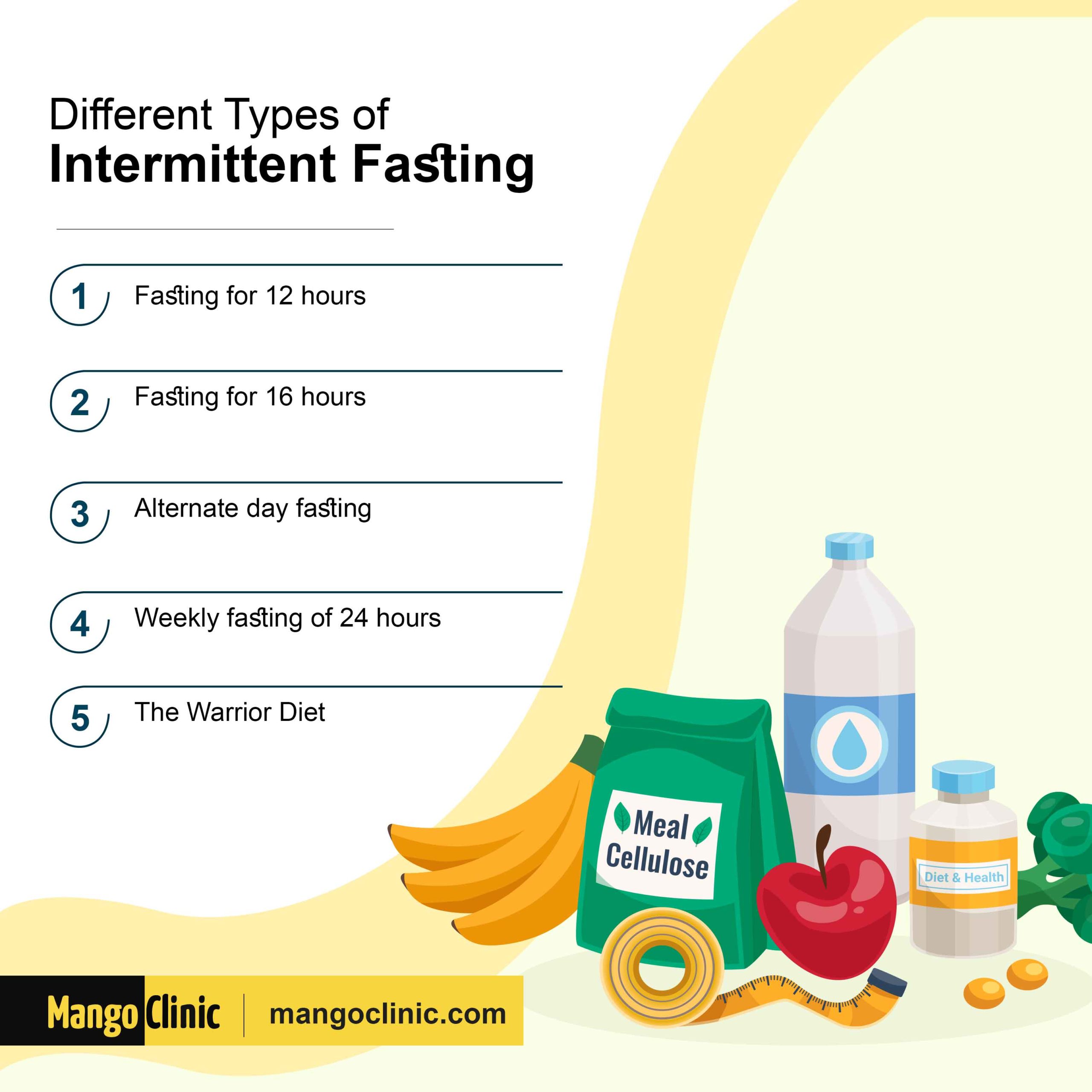
Intermittent fasting has gained significant popularity in recent years for its potential health benefits, weight management advantages, and simplicity to follow. With various methods available, individuals can find an intermittent fasting approach that suits their lifestyle and goals. Let’s explore some of the most common intermittent fasting methods and how they can be integrated into different aspects of health and wellness.
1. **16/8 Fasting Method**: This method involves fasting for 16 hours a day and restricting eating to an 8-hour window. It is one of the most popular approaches due to its simplicity. Many people find it easy to skip breakfast and start eating around noon, then finish their last meal by 8 pm.
2. **Warrior Diet**: The Warrior Diet follows a 20:4 fasting pattern, where individuals fast for 20 hours and have a 4-hour eating window in the evening. During those four hours, followers consume one large meal along with small snacks.
3. **Alternate Day Fasting**: As the name suggests, this method involves alternating between days of regular eating and days of very low-calorie intake or complete fasting.
4. **OMAD (One Meal a Day)**: OMAD includes consuming all daily calories within a one-hour feeding window each day while fasted for the remaining 23 hours.
5. **5:2 Diet**: In this approach, individuals eat normally for five days of the week but restrict calorie intake on two non-consecutive days to about 500-600 calories per day.
6. **Eat Stop Eat**: Eat Stop Eat consists of incorporating one or two full-day fasts into your routine each week while eating normally on other days.
7. **Fasting Mimicking Diet**: This diet allows you to consume a reduced number of calories over several consecutive days while still providing essential nutrients.
8. **Circadian Rhythm Fasting**: Aligning your eating patterns with your body’s natural circadian rhythms by having meals during daylight hours when metabolism is higher may enhance metabolic health.
9. **Extended Fasting**: Extended fasting refers to periods lasting more than 24 hours up to several days or even weeks under medical supervision or guidance from healthcare professionals experienced in extended fasting protocols.
10. **Carb Cycling with Intermittent Fasting**: Combining carb cycling with intermittent fasting can help optimize energy levels and fat utilization during both high-carb refeed periods and low-carb phases during the fasted state.
11 .**Protein-Sparing Modified Fast (PSMF) with IF:** PSMF is a type of very-low-calorie diet designed to preserve lean muscle mass while promoting fat loss when combined with intermittent fasting.
12 .**Bone Broth Fasting:** Including bone broth during fasted periods can provide essential minerals, electrolytes, collagen, gelatin, amino acids, and other nutrients that support gut health.
13 .**Coffee & Tea During Fasting:** Consuming black coffee or tea without added sugars or creamers are often allowed during fasting periods as they are low in calories but can help suppress appetite.
14 .**Intermittent Fasting for Women:** Women may benefit from adjusting their approach due to hormonal fluctuations; consulting healthcare providers or nutritionists familiar with women-specific considerations is advisable.
15 .**Intermittent Fasting for Athletes:** Athletes need to carefully time their meals around training sessions while ensuring adequate nutrient intake; incorporating intermittent fasting should consider performance needs.
16 .**Intermittent Fasting for Weight Loss:** Intermittent fasting promotes weight loss through caloric restriction but also offers metabolic benefits like increased fat burning efficiency.
17 .**Intermittent Fasting for Muscle Gain:** Pairing intermittent fasting with resistance training programs can help maintain muscle mass by stimulating muscle protein synthesis despite calorie restriction.
18 .**Intermittent Fasting & Gut Health:** Giving the digestive system ample rest during fasted states may promote gut healing processes like autophagy and microbiome balance restoration.
19 .**Intermittent Fasting & Mental Clarity:** Some individuals report improved mental focus clarity from ketone production during longer bouts of intermittent fasting which may support cognitive function.
20.* *Intermittent Fasting & Autophagy:* Autophagy is cellular self-cleansing process activated in response to stressors like calorie restriction seen often in prolonged fasts; supporting cellular repair mechanisms.
In conclusion,
intermittent
fasting offers
a flexible
approach
to improving
health,
managing weight,
and optimizing
well-being;
choosing
the right method
and tailoring it
to individual needs,
goals,
and preferences will lead
to sustainable results over time.

Leave a Reply