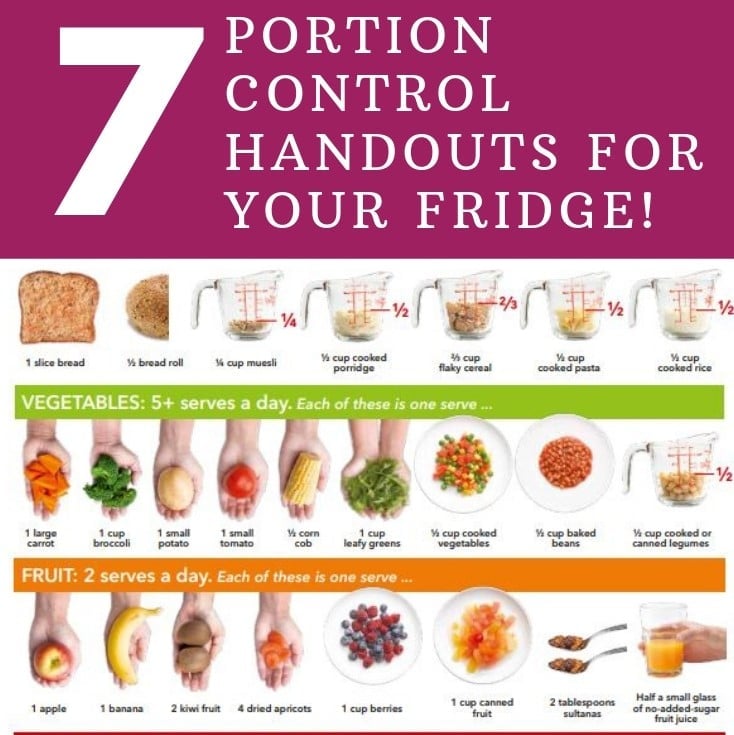
When it comes to maintaining a healthy diet, portion control is key. Eating the right amount of food can help you manage your weight, improve digestion, and ensure you’re getting all the essential nutrients your body needs. However, estimating portion sizes accurately can be challenging, especially with our modern-day oversized servings at restaurants and fast-food chains. To help you navigate this aspect of healthy eating, we’ve put together this comprehensive guide on how to measure food portions accurately in various ways.
**1. Use Measuring Cups and Spoons:**
Measuring cups and spoons are indispensable tools for portion control. They provide precise measurements for both dry and liquid ingredients. When using measuring cups for solid foods like rice or pasta, fill the cup to the top and level off with a flat edge for an accurate measurement. For liquids, place the cup on a flat surface and pour slowly while keeping it at eye level to get an exact reading.
**2. Invest in a Kitchen Scale:**
A kitchen scale is another valuable tool for measuring food portions accurately, especially when it comes to proteins like chicken breasts or steaks where weight matters more than volume. Weighing your food allows you to be more precise in your portions compared to using measuring cups or eyeballing serving sizes.
**3. Portion Plates:**
Portion plates are specially designed dishes that come with sections marked out for different food groups such as protein, carbohydrates, vegetables, and fats. Using these plates can help you visualize proper portion sizes without needing additional tools or measurements.
**4. Hand Method:**
If you don’t have access to measuring cups or scales, you can use your hands as a rough guide for estimating portion sizes.
– A palm-sized amount of protein (chicken breast, fish) is about 3-4 ounces.
– A clenched fist represents approximately one cup (200-250 grams) of vegetables or grains.
– Your thumb tip equals roughly one tablespoon of peanut butter or salad dressing.
**5. Visual Comparisons:**
For items that are difficult to measure precisely like fruits or snacks:
– A tennis ball is about the size of one medium fruit (apple).
– A deck of cards equates to a 3 oz serving of meat.
– A golf ball is close in size to two tablespoons of nut butter.
**6 . Read Labels Carefully:**
Nutrition labels not only provide information about calories but also offer serving size details which are crucial when calculating portions correctly.
Pay attention to how many servings are in each package so that you don’t accidentally consume double or triple what’s recommended per serving.
**7 . Keep Track With Apps:**
There are various smartphone apps available that make tracking food intake easier by providing calorie counts along with portion guidance based on specific foods entered into their databases.
**8 . Practice Mindful Eating:**
Sometimes overeating isn’t due solely because of large portions but rather eating too quickly without being aware enough when feeling full:
Eat slowly
Chew thoroughly
Put utensils down between bites
By incorporating these tips into your daily routine gradually ,you’ll become more adept at controlling your portions accurately leading towards better eating habits aiding overall health improvement over time!

Leave a Reply