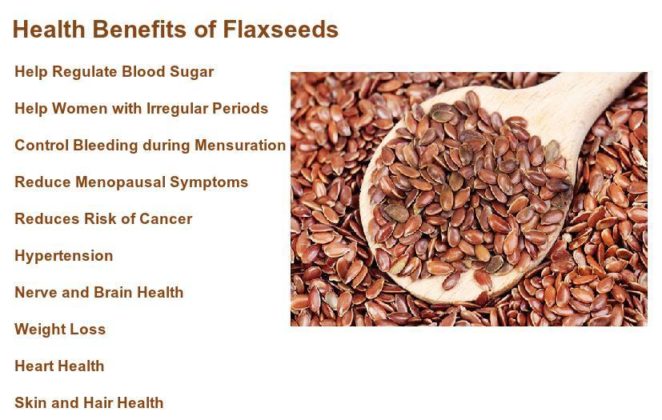
Flaxseeds, also known as linseeds, are tiny nutritional powerhouses that have been consumed for thousands of years for their health benefits. These small seeds come from the flax plant (Linum usitatissimum) and are a rich source of essential nutrients like omega-3 fatty acids, fiber, and lignans.
One of the key reasons why flaxseeds have gained popularity in recent years is due to their high omega-3 fatty acid content. Omega-3s are important for heart health, brain function, and reducing inflammation in the body. Flaxseeds are one of the best plant-based sources of these essential fats, making them an excellent addition to any diet.
In addition to omega-3s, flaxseeds are also packed with fiber. Just two tablespoons of whole flaxseeds contain roughly 6 grams of fiber, which can help support digestive health and keep you feeling full longer. The type of fiber found in flaxseeds can also help regulate blood sugar levels and cholesterol levels.
Another unique component of flaxseeds is their high concentration of lignans, which are phytochemicals with antioxidant properties. Lignans have been linked to a reduced risk of chronic diseases like cancer and heart disease.
When it comes to incorporating flaxseeds into your diet, there are several options available. You can grind whole flaxseeds using a coffee grinder or blender and add them to smoothies, oatmeal, yogurt, or baked goods. Ground flaxseed meal can also be used as an egg substitute in vegan baking recipes.
Overall, including flaxseeds in your diet is a simple way to boost your intake of essential nutrients like omega-3 fatty acids, fiber, and antioxidants. Whether you sprinkle them on top of salads or mix them into your morning cereal, these versatile seeds offer a wide range of health benefits that make them a valuable addition to any healthy eating plan.

Leave a Reply