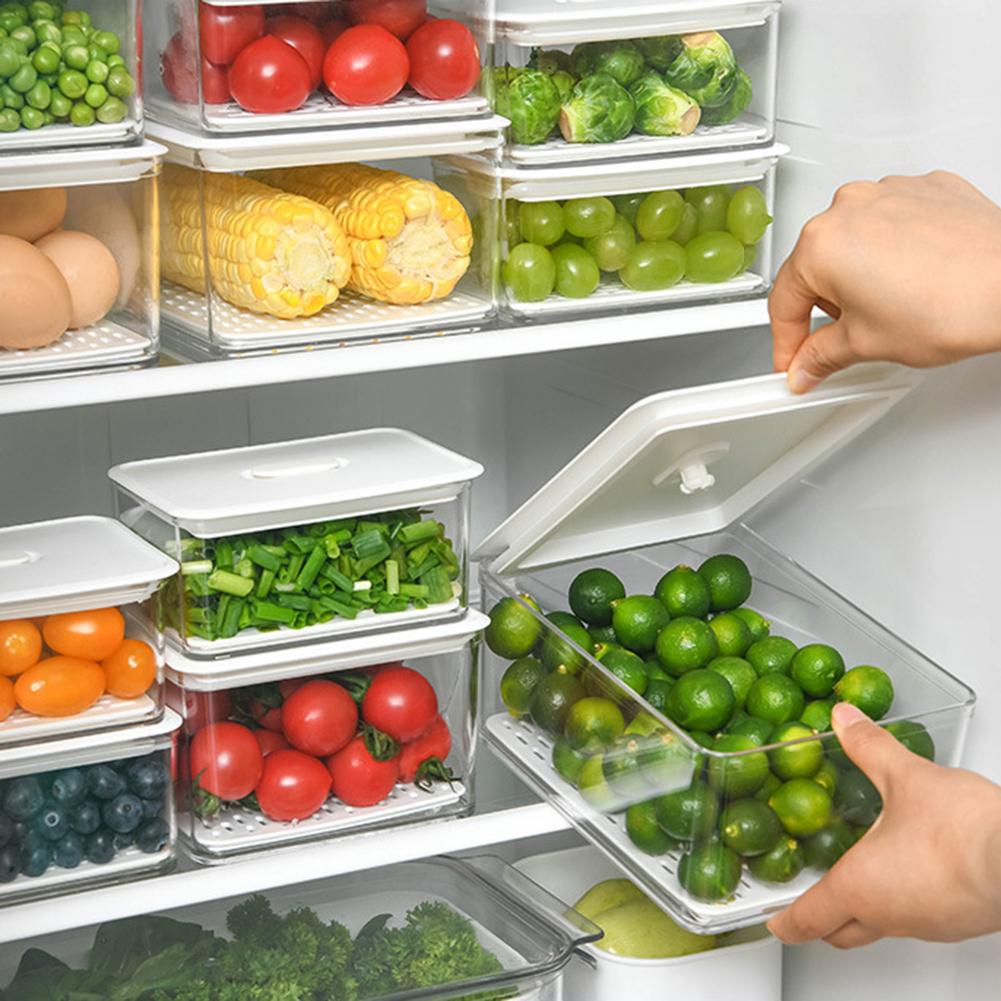
When it comes to maintaining a healthy diet, one important aspect that often gets overlooked is ensuring the food we consume is fresh and safe to eat. Understanding the shelf life of various foods and knowing how to properly store them can not only help prevent food wastage but also ensure that you are getting the most nutritional value out of your meals. In this article, we will delve into the concept of shelf life, explore different storage tips for common food items, and provide guidance on how to make your groceries last longer.
Shelf Life Overview:
Shelf life refers to the length of time a product can be stored before it starts to deteriorate in quality or become unsafe to consume. The factors that influence shelf life include the type of food, packaging materials, storage conditions (such as temperature and humidity), and whether any preservatives have been added. Understanding these factors can help you make informed decisions about when to use up certain ingredients or when it’s time to discard them.
It’s important to note that expiration dates are not always a reliable indicator of freshness or safety. While some products may need to be consumed by a certain date for optimal quality, others may still be safe to eat beyond that date if they have been stored correctly. Use your senses – sight, smell, and taste – as well as common sense when determining whether a food item is still good to eat.
Storage Tips for Common Food Items:
1. Fruits and Vegetables:
– Store fruits such as apples, citrus fruits, and berries in the refrigerator.
– Keep vegetables like carrots, broccoli, and leafy greens in the crisper drawer.
– Avoid washing produce until right before eating as moisture can promote mold growth.
2. Dairy Products:
– Milk should be kept refrigerated at all times.
– Cheese should be tightly wrapped in wax paper or plastic wrap.
– Yogurt containers should always be sealed tightly after each use.
3. Meat and Poultry:
– Raw meat should be stored on the bottom shelf of the refrigerator away from ready-to-eat foods.
– Cooked meats should be consumed within 3-4 days if refrigerated.
– Freeze any meat or poultry that won’t be used within a few days.
4. Grains and Legumes:
– Store whole grains like rice and quinoa in airtight containers in a cool pantry.
– Keep flour in an airtight container in a dark place away from heat sources.
– Canned beans can last for years if stored unopened in a cool location.
5. Spices and Herbs:
– Store dried spices away from heat sources like stoves or ovens.
– Fresh herbs can be kept fresh longer by placing them upright in water like flowers.
– Ground spices lose their potency over time so replace them every 6 months to 1 year.
6. Oils and Condiments:
– Olive oil should be stored in a cool dark place away from light exposure.
…

Leave a Reply