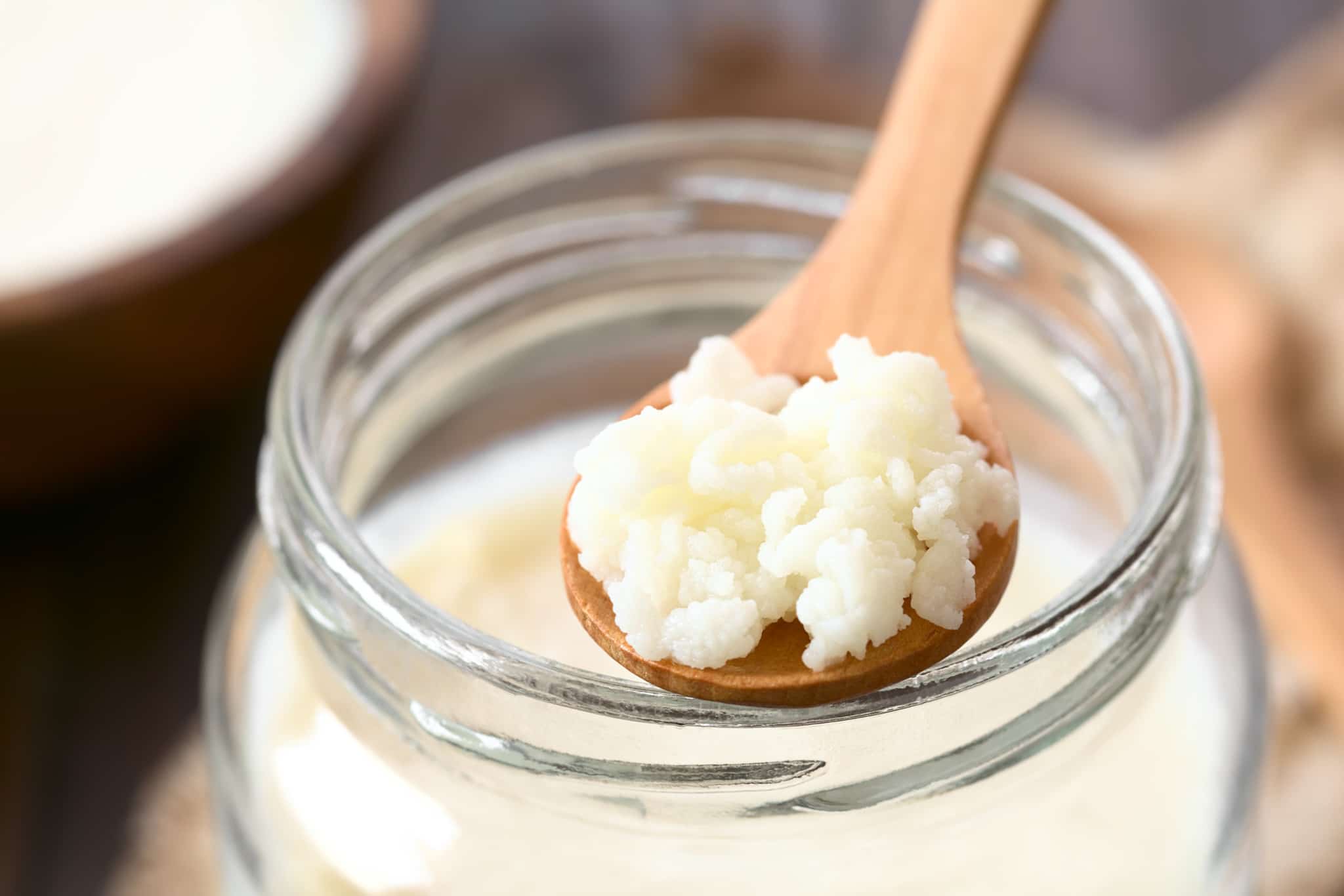
Kefir, a fermented milk drink packed with probiotics and nutrients, is a popular choice for those looking to improve their gut health. While store-bought kefir can be convenient, making your own at home can be a cost-effective option in the long run.
Budget-friendly options for kefir include purchasing kefir grains or starter kits that can be used repeatedly to make batches of kefir. Buying in bulk is another way to save money on this nutritious beverage. Comparing prices of different brands and calculating the cost per serving can help you find the most economical option.
Homemade kefir allows you to control the quality of ingredients used, potentially saving money compared to buying pre-made varieties. You can also experiment with various flavorings like fruits, honey, or spices to tailor your kefir to your taste preferences without breaking the bank.
When deciding between organic and non-organic ingredients for homemade kefir, consider your budget and priorities. While organic options may be more expensive, they offer potential health benefits by avoiding pesticides and antibiotics commonly found in conventional products.
Investing in a quality starter kit or finding deals on kefir grains upfront can lead to long-term savings as you continue making fresh batches at home. Planning ahead by making large quantities at once and utilizing coupons for ingredient purchases are other strategies for keeping costs down while enjoying the financial benefits of drinking kefir regularly.
Whether choosing milk or water-based kefir, DIY options tend to be more cost-effective over time compared to store-bought versions. By incorporating economical practices like batch-making, using coupons, and budgeting wisely for supplies, you can enjoy the financial advantages of including this nutritious drink in your diet without overspending.

Leave a Reply