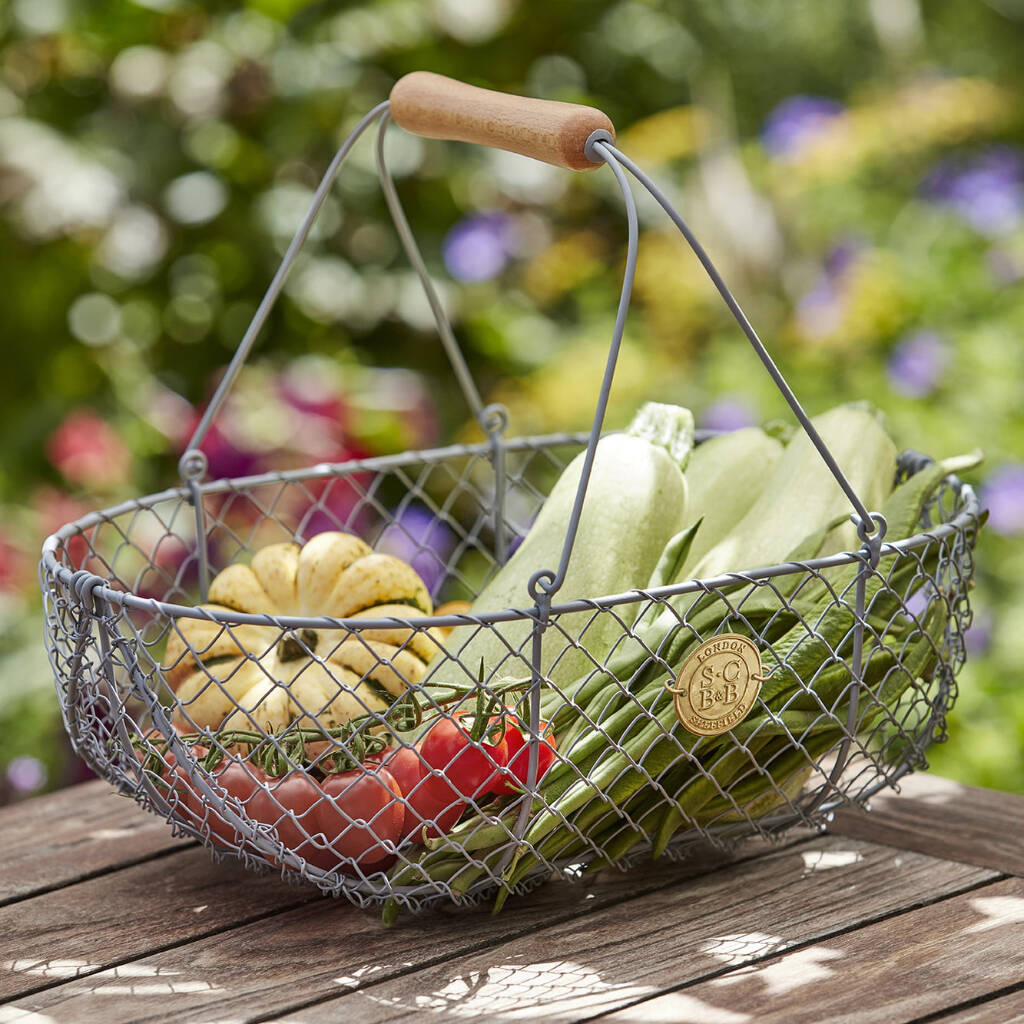
Community-supported agriculture (CSA) is a unique and increasingly popular way for individuals to support local farmers while also gaining access to fresh, organic produce. In recent years, CSA programs have gained traction as more people seek ways to connect with where their food comes from and prioritize eating healthily. This article will delve deep into the concept of community-supported agriculture, exploring its history, benefits, how it works, and tips for those interested in joining a CSA program.
### History of Community-Supported Agriculture
The roots of the CSA movement can be traced back to Japan in the 1960s when a group of women concerned about food safety formed Teikei (“putting-the-farmer’s-face-on-food”) cooperatives. The idea reached Europe in the 1970s before spreading to North America in the 1980s. The first official CSA program in the United States was established by Jan Vander Tuin and Robyn Van En at Indian Line Farm in Massachusetts in 1986.
### How Does Community-Supported Agriculture Work?
In a traditional CSA model, individuals or families purchase a share or membership from a local farm at the beginning of the growing season. This upfront financial commitment helps cover farming expenses like seeds, equipment, labor, and other operational costs incurred before harvest time. In return for their investment, members receive weekly or bi-weekly shares of fresh produce throughout the growing season.
The contents of each share vary depending on what is ripe and ready for harvest on the farm at any given time. Members typically pick up their shares directly from the farm or at designated drop-off locations such as farmers’ markets or community centers.
### Benefits of Joining a Community-Supported Agriculture Program
1. **Freshness**: One of the most significant advantages of participating in a CSA program is access to ultra-fresh produce that has often been harvested within hours of pickup.
2. **Seasonal Eating**: By eating with the seasons through your CSA share, you reconnect with nature’s rhythms and enjoy varied diets rich in nutrients.
3. **Supporting Local Farmers**: Joining a CSA directly supports small-scale local farmers by providing them with stable income and reducing their reliance on volatile market prices.
4. **Environmental Impact**: Eating locally grown food reduces carbon emissions associated with long-distance transportation.
5. **Community Connection**: CSAs foster connections between consumers and producers by creating opportunities for members to visit farms, attend events, meet fellow shareholders, and learn about sustainable agricultural practices.
### Tips for Choosing a Community-Supported Agriculture Program
1. **Research Farms**: Start by researching local farms offering CSA programs that align with your values regarding organic practices or crop variety.
2. **Visit Farms**: Whenever possible before committing to a program, visit potential partner farms to get an understanding of their operations firsthand.
3. **Understand Share Options**: Familiarize yourself with different share sizes (e.g., full vs half-share) and choose one that fits your household size and consumption habits.
4. **Ask Questions**: Don’t hesitate to ask questions about what crops are grown on-site versus sourced elsewhere if certain items are important to you.
### Conclusion
Community-supported agriculture offers numerous benefits not only for individual consumers but also for local farmers striving towards sustainable agricultural practices amidst an ever-changing food landscape dominated by industrialized production methods.
By participating in a CSA program, individuals contribute directly towards building resilient local food systems while enjoying seasonal bounty straight from nearby fields – fostering deeper connections between themselves and those who grow their food.
Whether you’re new to healthy eating concepts like farm-to-table dining or looking to deepen your existing knowledge within this space – consider joining a community-supported agriculture initiative near you as both an educational experience as well as an impactful lifestyle choice promoting wellness through whole foods consumption.

Leave a Reply