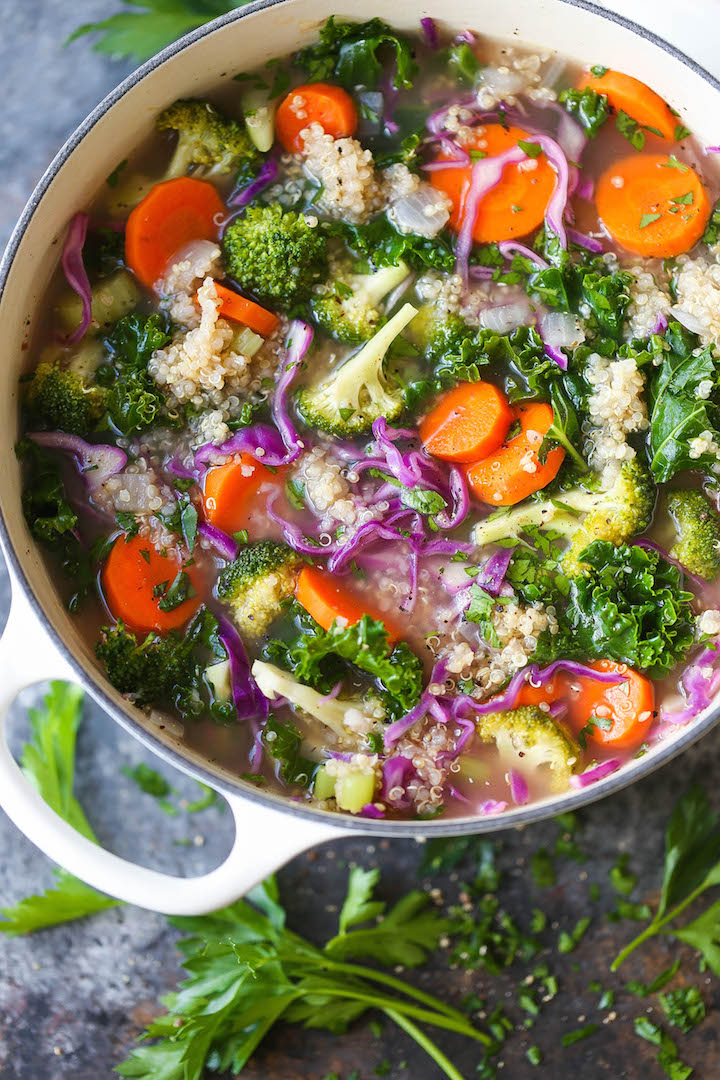
Quinoa, once a staple in the Andean regions of South America, has made its way into American households and kitchens as a popular superfood. This ancient grain is not only versatile and delicious but also offers numerous health benefits that have contributed to its rise in popularity.
One of the main reasons for quinoa’s popularity is its impressive nutritional profile. Quinoa is a complete protein, meaning it contains all nine essential amino acids that our bodies cannot produce on their own. This makes it an excellent plant-based protein source for vegetarians and vegans. In addition to protein, quinoa is also high in fiber, which can aid digestion and help you feel full longer.
Another key benefit of quinoa is its rich content of vitamins and minerals. It is a good source of magnesium, iron, zinc, and folate, all of which play important roles in various bodily functions such as energy production, immune support, and red blood cell formation. Quinoa also contains antioxidants like flavonoids and saponins that help protect the body from oxidative stress and inflammation.
Incorporating quinoa into your diet can be easy due to its versatility in cooking. You can use quinoa as a base for salads or Buddha bowls, swap it for rice or pasta in recipes, or even enjoy it as a breakfast porridge with fruit and nuts. Its mild nutty flavor makes it a great addition to both savory and sweet dishes.
When shopping for quinoa in the U.S., you’ll likely come across different colors such as white (the most common), red, black, or tri-color varieties. While there isn’t much nutritional difference between them, they do vary slightly in texture and flavor profiles. White quinoa tends to be lighter and fluffier while red quinoa holds its shape better when cooked.
It’s important to note that while quinoa itself is gluten-free, cross-contamination may occur during processing if it’s grown near gluten-containing grains like wheat. If you have celiac disease or are sensitive to gluten, look for certified gluten-free brands to ensure your safety.
Overall, American-grown quinoa offers a nutritious alternative to traditional grains like rice or wheat with its high protein content, fiber-rich nature,
and array of vitamins and minerals. Whether you’re looking to boost your plant-based protein intake or simply add more variety to your meals,
quinoa is definitely worth incorporating into your healthy eating repertoire.

Leave a Reply