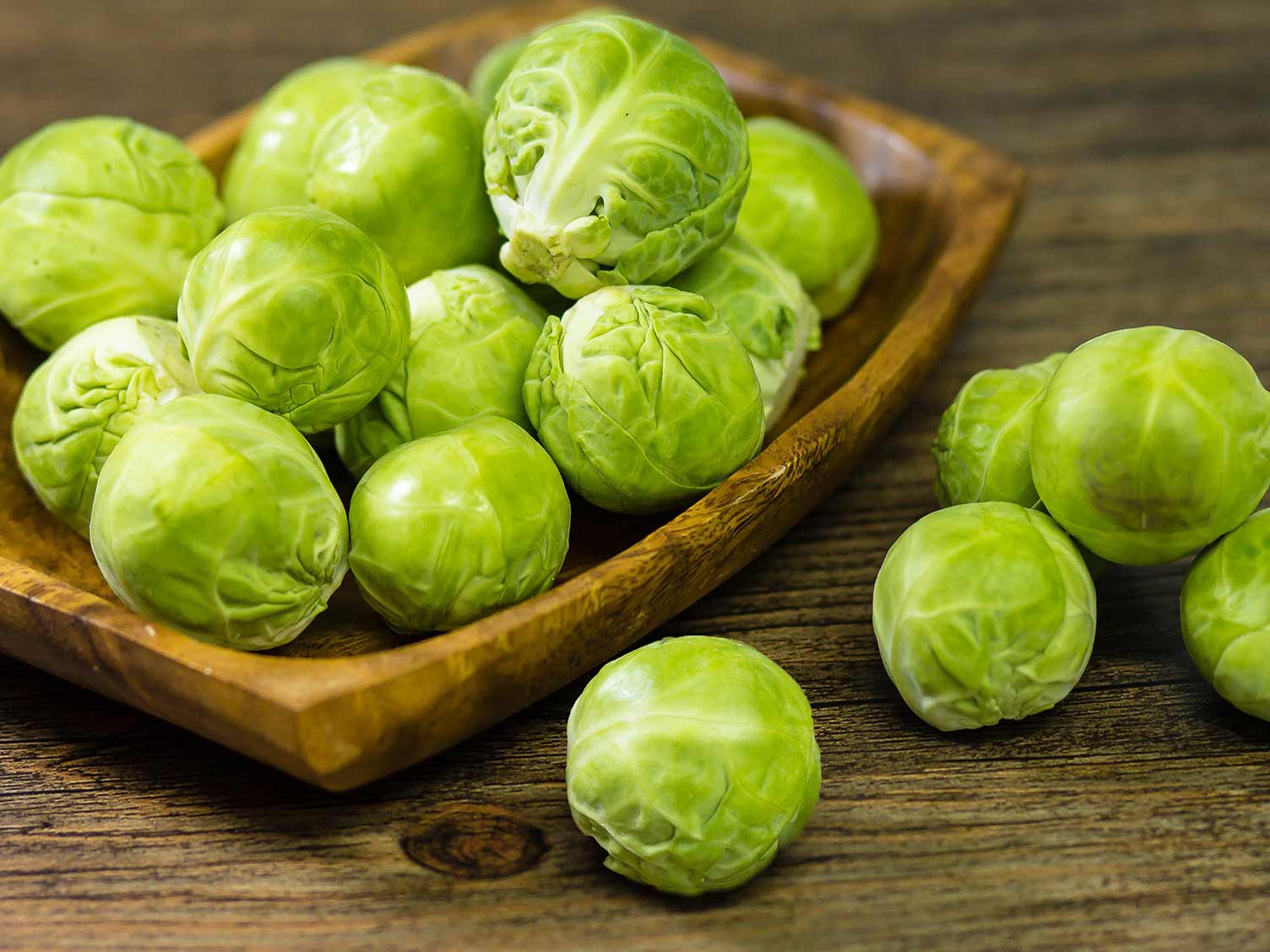
Brussels sprouts are a nutritious and budget-friendly vegetable that can provide numerous health benefits. These small, green cruciferous vegetables resemble miniature cabbages and are packed with essential nutrients that support overall well-being. Understanding the value of these nutrients in Brussels sprouts can help you make informed decisions about incorporating them into your diet.
1. **Vitamins and Minerals**:
Brussels sprouts are rich in essential vitamins and minerals that play crucial roles in maintaining good health. They are an excellent source of vitamin C, which is vital for boosting the immune system, promoting skin health, and aiding in collagen production. Additionally, Brussels sprouts contain vitamin K, which supports bone health and helps with blood clotting.
Moreover, these vegetables are a good source of folate, a B-vitamin that is important for cell division and DNA synthesis. They also provide minerals such as potassium, which helps regulate blood pressure; manganese, necessary for enzyme function; and iron, essential for transporting oxygen throughout the body.
2. **Fiber**:
Brussels sprouts are high in fiber, making them beneficial for digestive health. Fiber aids in digestion by promoting regular bowel movements and preventing constipation. It also helps maintain healthy cholesterol levels by binding to cholesterol particles in the gut and eliminating them from the body.
Furthermore, fiber contributes to satiety after meals, helping you feel fuller for longer periods and potentially aiding weight management efforts.
3. **Antioxidants**:
These vegetables contain various antioxidants that help protect cells from damage caused by free radicals. Brussels sprouts are particularly rich in compounds like kaempferol and quercetin, which have anti-inflammatory properties and may reduce the risk of chronic diseases such as heart disease and cancer.
Consuming antioxidant-rich foods like Brussels sprouts regularly can contribute to overall wellness by supporting cellular health and reducing oxidative stress on the body.
4. **Low in Calories**:
One of the advantages of incorporating Brussels sprouts into your diet is their low calorie content compared to their nutrient density. This makes them an ideal food choice for those looking to manage their weight or increase vegetable intake without significantly impacting caloric intake.
By including Brussels sprouts as part of balanced meals or snacks, you can benefit from their nutritional value without worrying about excessive caloric consumption.
5. **Budget-Friendly Option**:
Brussels sprouts are often available at affordable prices year-round but especially during their peak season from fall through early spring when they taste best due to cooler temperatures promoting sweeter flavor development.
Additionally, they have a relatively long shelf life when stored properly in a cool place or refrigerator crisper drawer—making it easy to incorporate them into your meal planning without breaking the bank.
In conclusion…
Understanding the value of nutrients present in Brussels sprouts highlights their potential impact on both your health outcomes and budget considerations when shopping for fresh produce options.
Whether roasted with olive oil and garlic or added raw to salads for extra crunch,
these versatile veggies offer a host of benefits that make them worth including on your plate regularly.
By enjoying Brussels sprout dishes alongside other nutrient-dense foods,
you can enhance your dietary diversity while reaping all-natural goodness
that this humble vegetable has to offer!

Leave a Reply