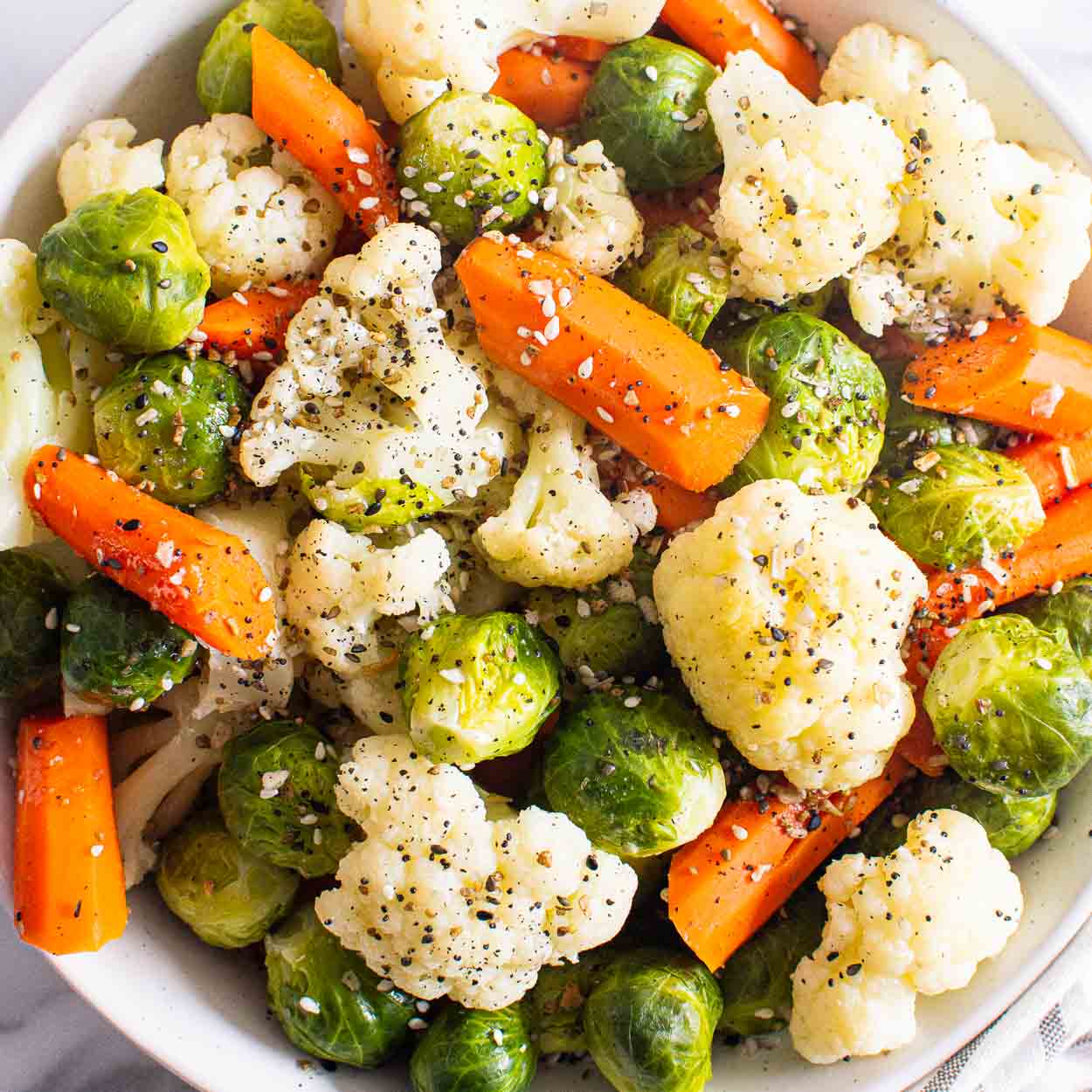
Steaming is a simple and effective cooking method that has been used for centuries to prepare a wide variety of foods. From vegetables to seafood, steaming offers numerous benefits that contribute to healthier eating habits. In this article, we will explore the advantages of steaming, how it works, the best foods to steam, and tips for getting started.
One of the key advantages of steaming food is its ability to retain nutrients better than other cooking methods such as boiling or frying. When you cook food in water or oil at high temperatures, many vitamins and minerals can be lost in the process. Steaming uses gentle heat generated by hot water vapor to cook food quickly while preserving essential nutrients like vitamin C and folate.
In addition to retaining nutrients, steaming also helps maintain the natural flavors and textures of foods. Unlike boiling, which can make vegetables soggy or bland, steamed vegetables are vibrant in color, crisp-tender in texture, and bursting with flavor. Seafood cooked through steaming retains its delicate taste without being overpowered by added fats or oils.
Another benefit of steaming is that it requires minimal additional ingredients such as oils or seasonings. By using only water vapor to cook your food, you can reduce unnecessary calories from added fats while still enjoying delicious meals. This makes steamed dishes an excellent option for those looking to manage their weight or improve their overall health.
Steaming is also a versatile cooking method that can be used for a wide range of foods. Vegetables like broccoli, carrots, green beans, and Brussels sprouts are popular choices for steaming due to how well they retain their nutritional value when cooked this way. Seafood such as fish fillets, shrimp, and mussels are also excellent candidates for steaming as they remain moist and tender without becoming greasy.
Additionally, grains like quinoa and couscous can be easily prepared through steaming by adding them to a pot with boiling water underneath a steam basket holding the grains above the water level until fully cooked.
To get started with steaming at home you will need either a dedicated steam cooker appliance (such as an electric vegetable steamer) or simply use a pot with a fitted lid along with a metal colander insert placed inside above simmering water – ensuring there’s enough space between the bottom of the colander insert so it doesn’t touch the water but close enough so that it gets heated up by the steam rising from below during cooking time.
When using your chosen setup remember these important steps:
1. **Prep Your Ingredients**: Wash fruits & veggies thoroughly under cold running tap then chop/slice/dice/etc before placing into your chosen container.
2. **Add Seasoning**: If desired add any herbs/spices/seasonings/flavors directly onto raw ingredients before covering them up.
3. **Cooking Time**: Depending on what you’re making typical timing could be anywhere between 5-20 minutes usually – keep checking occasionally until done.
4 .**Check For Doneness**: Make sure everything appears tender yet not mushy; if too crunchy give more time still covered but if too soft remove promptly instead.
5 .**Serve Freshly Cooked**: Enjoy hot off stove right away sprinkled lightly w/freshly chopped parsley/basil/etc on top perhaps!
In conclusion,
steamed dishes offer numerous benefits including nutrient retention,
flavor preservation,
and ease of preparation making it an excellent choice for anyone looking to eat healthier without sacrificing taste.
With just some basic equipment
and simple techniques
you can start incorporating more steam-cooked meals into your diet today!

Leave a Reply