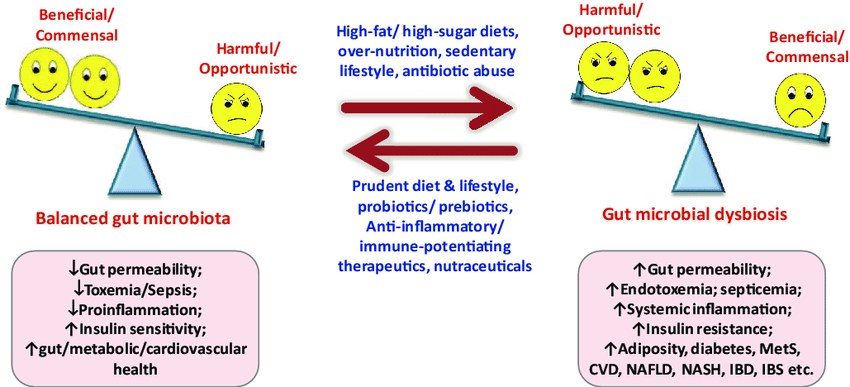
Fecal microbiota transplant (FMT) is a procedure that involves transferring fecal matter from a healthy donor into the gastrointestinal tract of a recipient to restore the balance of bacteria in the gut. The main goal of FMT is to introduce beneficial microorganisms from a healthy donor’s stool into the recipient’s gut, thereby promoting a healthier microbial environment and potentially treating certain health conditions.
The human gut is home to trillions of microorganisms, collectively known as the gut microbiota. These microbes play a crucial role in digestion, nutrient absorption, immune function, and overall health. When the balance of these microbes is disrupted, it can lead to various health problems such as inflammatory bowel disease (IBD), irritable bowel syndrome (IBS), Clostridium difficile infection (CDI), and other gastrointestinal disorders.
FMT has gained attention in recent years as an effective treatment for recurrent CDI that does not respond to standard antibiotic therapy. CDI is a serious infection that causes severe diarrhea, abdominal pain, and inflammation of the colon. By introducing healthy bacteria from a donor’s stool into the recipient’s gut, FMT can help restore bacterial diversity and combat the harmful effects of C. difficile.
The procedure for FMT typically involves collecting stool samples from carefully screened donors who are free from infectious diseases and other health issues that could pose risks to the recipient. The stool sample is then processed and prepared for transplantation either through colonoscopy, enema, or oral capsules. The method of delivery may vary depending on the individual’s condition and healthcare provider’s recommendations.
Studies have shown that FMT can be highly effective in treating recurrent CDI with success rates exceeding 90%. In addition to CDI, research suggests that FMT may also hold promise for managing other conditions such as IBD, IBS, obesity, diabetes, autoimmune diseases, and even neurological disorders like Parkinson’s disease.
While FMT shows great potential as a therapeutic option for various health conditions related to gut dysbiosis, it is essential to emphasize safety precautions during the procedure. Risks associated with FMT include infection transmission from donor to recipient if proper screening measures are not followed rigorously. Therefore, working with reputable healthcare providers who adhere to strict guidelines for donor screening and sample processing is crucial for ensuring safe and effective outcomes.
Moreover, ongoing research continues to explore new applications of FMT beyond gastrointestinal disorders. As scientists deepen their understanding of how gut microbiota influence overall health and disease states throughout the body – known as “the gut-brain axis” – interest in using FMT for non-gastrointestinal conditions like depression or anxiety has emerged.
In conclusion,, fecal microbiota transplant represents an innovative approach towards restoring microbial balance in individuals suffering from various gastrointestinal disorders where conventional treatments have failed.. As research advances our knowledge about how gut bacteria impact our well-being more profoundly than previously understood,, we can expect further developments in this field — offering hope for improved treatments across diverse areas of medicine based on harnessing our own internal ecosystems effectively through this unique form of therapy

Leave a Reply