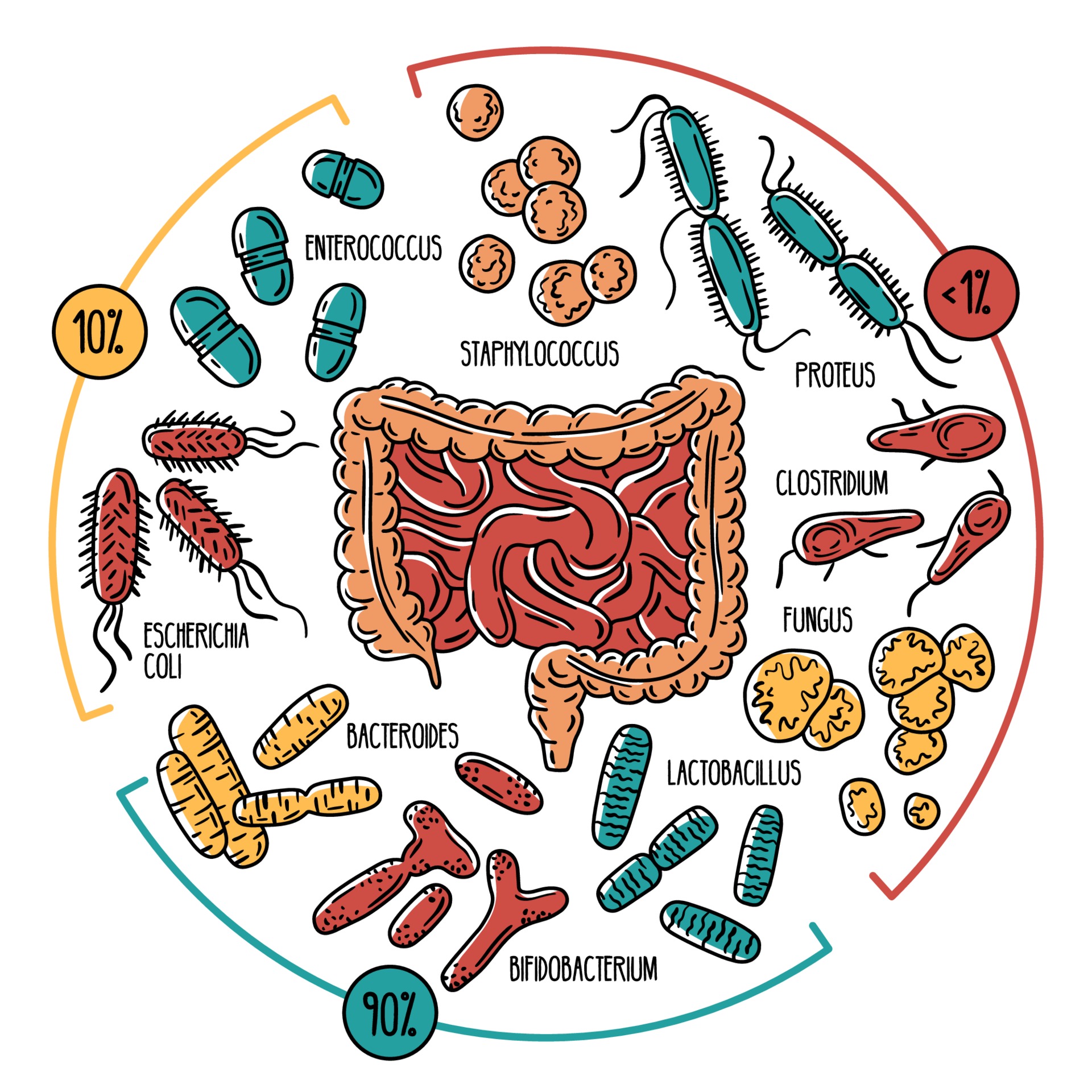
The gut microbiome, a complex ecosystem of trillions of microorganisms residing in our digestive tract, plays a crucial role in maintaining overall health and well-being. The diversity of these microbes is essential for proper digestion, nutrient absorption, immune function, and even mental health. Various factors can influence the composition and diversity of the gut microbiome, including stress levels, diet, lifestyle choices, and environmental exposures.
Stress has been shown to have a significant impact on gut health. Chronic stress can disrupt the balance of beneficial bacteria in the gut, leading to an overgrowth of harmful pathogens. This imbalance can contribute to gastrointestinal issues such as irritable bowel syndrome (IBS), inflammatory bowel disease (IBD), and leaky gut syndrome. Practicing stress-reducing techniques such as meditation, deep breathing exercises, or regular physical activity can help support a healthy gut microbiome.
The communication between the gut and brain is known as the gut-brain axis. This bidirectional pathway allows for constant crosstalk between the central nervous system and the enteric nervous system in the gut. Research has shown that imbalances in the gut microbiome can affect mood regulation, cognitive function, and even behavior. Maintaining a diverse array of beneficial bacteria through diet and lifestyle choices is crucial for supporting a healthy gut-brain axis.
For individuals with sensitivities to certain foods or digestive issues like IBS, following a low-FODMAP diet may help alleviate symptoms. FODMAPs are fermentable carbohydrates that can trigger bloating, gas, abdominal pain, and other gastrointestinal discomfort in some people. By reducing intake of high-FODMAP foods and gradually reintroducing them based on tolerance levels under guidance from a healthcare professional or registered dietitian can help identify triggers.
Prebiotics are non-digestible fibers that serve as food for probiotics – beneficial bacteria living in your intestines. Including prebiotic-rich foods like garlic, onions, bananas,
and whole grains in your diet helps nourish these friendly microbes which promote a healthy balance within your gut microbiome.
Athletes often focus on their physical performance but neglect their digestive health which plays a critical role in nutrient absorption needed for optimal athletic performance recovery post-workout.
Ensuring adequate fiber intake from fruits & vegetables along with fermented foods like yogurt or kefir may aid digestion & improve overall performance by supporting robust metabolism & immune function.
During pregnancy,
a woman’s body undergoes numerous changes including shifts within her
gut microbiota affecting both maternal & fetal health.
Consuming fiber-rich plant-based foods alongside probiotic sources supports maternal immunity & reduces risks associated with gestational conditions promoting healthier outcomes during childbirth.
Autoimmune diseases occur when one’s immune system mistakenly attacks its tissues resulting from genetic predisposition combined with environmental influences include dysbiosis within
the intestinal flora.
Maintaining diversification within your microbial population via fermented products consuming pre- & pro-biotics might mitigate inflammation linked with autoimmune disorders.
Skin conditions like acne or eczema could be related to imbalances within your
digestive tract influencing systemic inflammation triggering dermatological flare-ups.
Opting for skin-friendly nutrients rich diets incorporating probiotics sources while avoiding sugar-laden processed meals supports skin barrier functions aiding condition management.
Artificial sweeteners used as sugar substitutes may seem harmless but research indicates they negatively alter microbial composition impairing glucose metabolism causing metabolic disturbances.
Limit consumption opting natural sugars found fruit honey if necessary while focusing on fibrous whole-foods maintains steady blood sugar promotes favorable bacterial strains.
Good sleep quality not only affects overall wellness but also impacts microbial populations residing inside you influencing various physiological processes including circadian rhythms hormone regulation impacting sleep-wake cycles.
Establishing consistent bedtime routines limiting caffeine alcohol consumption ensures restful nights balanced internal ecology.
Allergies result when one’s immune system overreacts to harmless substances due largely influenced by genetic factors environment dietary habits shaping ones’ microbial community play vital roles allergy development risk mitigation ensuring diversified nutritionally dense diets valuable improving allergic responses.
Fermented foods are rich sources probiotic strains aiding digestion boosting immunity lowering inflammation throughout body assisting numerous ailments
including allergies obesity behavioral disorders.
Gut motility refers movement food waste through digestive tract efficiently allowing maximum nutrient absorption eliminating toxins effectively avoiding constipation diarrhea adopting balanced high-fiber diets hydrating regularly encourages smooth transit enhancing general well-being.
Probiotics live microorganisms benefitting host organisms introduced either through supplements naturally occurring food products dairy items pickles kimchi enriches existing bacterial colonies supporting optimal functioning mitigating infections strengthening immunity.
Mental Health Disorders stemming imbalances neurotransmitters affected adversely poor dietary habits lack exercise chronic stressors disturbing biochemical equilibrium regulating mood behaviors emotional states affect psychological well-being necessitating holistic approach encompassing nutritional mental therapeutic strategies achieving mental stability equilibrium
Alcohol consumption extensively disrupts delicate harmony prevailing among various bacterial species residing GI tract altering fermentation processes promoting detrimental effects intestinal lining weakening immunological defenses increasing susceptibility infections inflammations urging moderation avoidance alleviating potential damages incurred
Older adults experience alterations bodily functions decrease stomach acid production slower motility variations hormonal secretions impacting nutritional status suppressing immunity requiring fortified nutrition tailored needs age-related adjustments maintain vibrant lifestyles fostering longevity empowered vitality
Weight Management remains challenging balancing caloric intake expenditure affected individual metabolic rates energy partitioning influenced genetic predispositions shifting priorities towards sustainable weight loss strategies involving personalized meal plans physical activities establishing harmonious relationship nurturing inner ecosystem fostering ideal body compositions sustaining optimum vigor livelihood

Leave a Reply