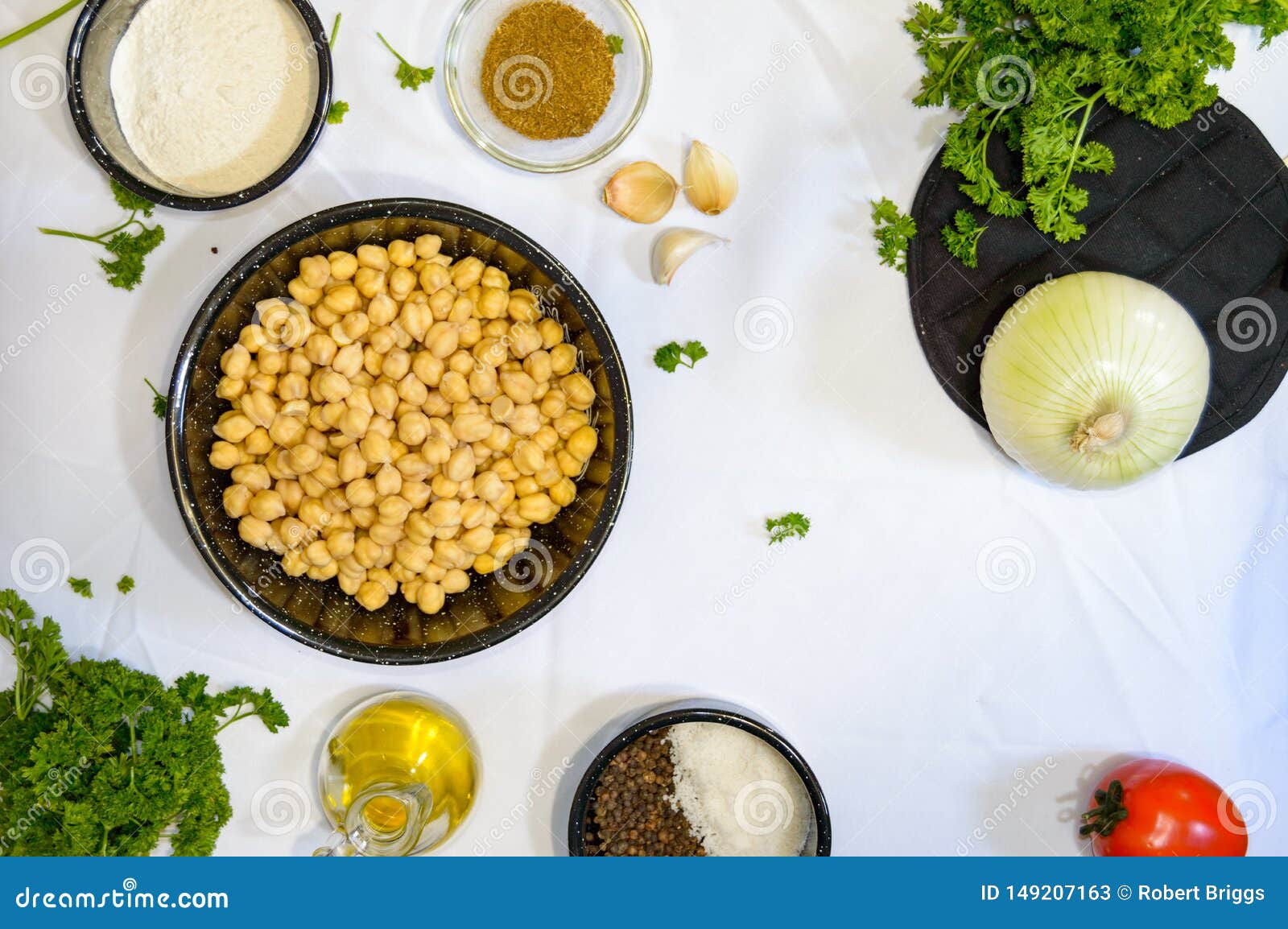
Middle Eastern cuisine is a rich tapestry of flavors, colors, and textures that reflect the diverse cultures and culinary traditions of the region. From savory kebabs to fragrant rice dishes and indulgent pastries, Middle Eastern food offers a delightful array of dishes that are not only delicious but also nutritious.
One of the key components of Middle Eastern cuisine is its use of fresh ingredients such as fruits, vegetables, legumes, whole grains, nuts, seeds, and lean proteins like fish and poultry. These ingredients form the foundation of many traditional Middle Eastern dishes and contribute to their health benefits.
Fruits and vegetables play a prominent role in Middle Eastern cooking. Ingredients like eggplant, tomatoes, cucumbers, peppers, zucchini, onions, garlic, and leafy greens are commonly used in salads such as fattoush or tabbouleh. These salads are not only refreshing but also packed with vitamins, minerals, fiber,
and antioxidants that support overall health.
Legumes like chickpeas (garbanzo beans), lentils,
and fava beans are staples in Middle Eastern cuisine
and feature prominently in dishes like hummus,
falafel,
and mujadara. Legumes are an excellent source
of plant-based protein,
fiber,
iron,
and other essential nutrients that promote heart health
and help regulate blood sugar levels.
Whole grains such as bulgur wheat,
quinoa,
rice,
and barley
are also widely used in Middle Eastern cooking
to create hearty
dishes like pilafs,
kibbeh,
or stuffed grape leaves.
These whole grains provide complex carbohydrates
that offer sustained energy
as well as fiber,
vitamins,
minerals,
and antioxidants for overall well-being.
Nuts
like almonds,
pistachios,
walnuts,
and pine nuts add crunch
flavor
to many Middle Eastern dishes.
They are a good source of healthy fats monounsaturated fats)
protein vitamins minerals antioxidants ,
making them beneficial for heart health cognitive function weight management .
Fresh herbs spices play an essential role in enhancing the flavors of Middle Eastern food . Ingredients like mint parsley cilantro cumin coriander sumac saffron cardamom cinnamon nutmeg turmeric paprika za’atar bring depth complexity to dishes while providing antioxidant anti-inflammatory properties .
Olive oil is a common fat used in Mediterranean cooking has been associated with numerous health benefits due its high content monounsaturated fatty acids omega-3 polyphenols which reduce inflammation improve cholesterol levels support brain function .
Fish seafood particularly popular along coastal regions Mediterranean Sea Persian Gulf provides lean protein rich omega-3 fatty acids essential for heart brain health .
Poultry lamb beef commonly consumed meats moderation part balanced diet . Grilled skewered meats such shish taouk kofta kabobs flavorful choices when looking healthier options dining out at Middle Eastern restaurants .
Dairy products yogurt labneh cheese often served side accompaniment meals desserts adding creamy tangy element nutrient-rich sources calcium probiotics aid digestion bone health .
When it comes sweets desserts Middle East known its indulgent treats baklava kunafa halva ma’amoul typically made sugar honey nuts phyllo dough semolina rose water orange blossom water . While these delicacies best enjoyed occasionally moderation mindful portion sizes enjoy without derailing healthy eating goals .
Overall embracing principles Mediterranean diet incorporating elements traditional Middle Eastern cuisine can lead balanced nutritious way eating promotes longevity vitality . By savoring variety wholesome ingredients vibrant flavors textures found this region you can experience pleasure nourishment every meal while reaping benefits from nutrient-rich foods enhance your well-being .

Leave a Reply