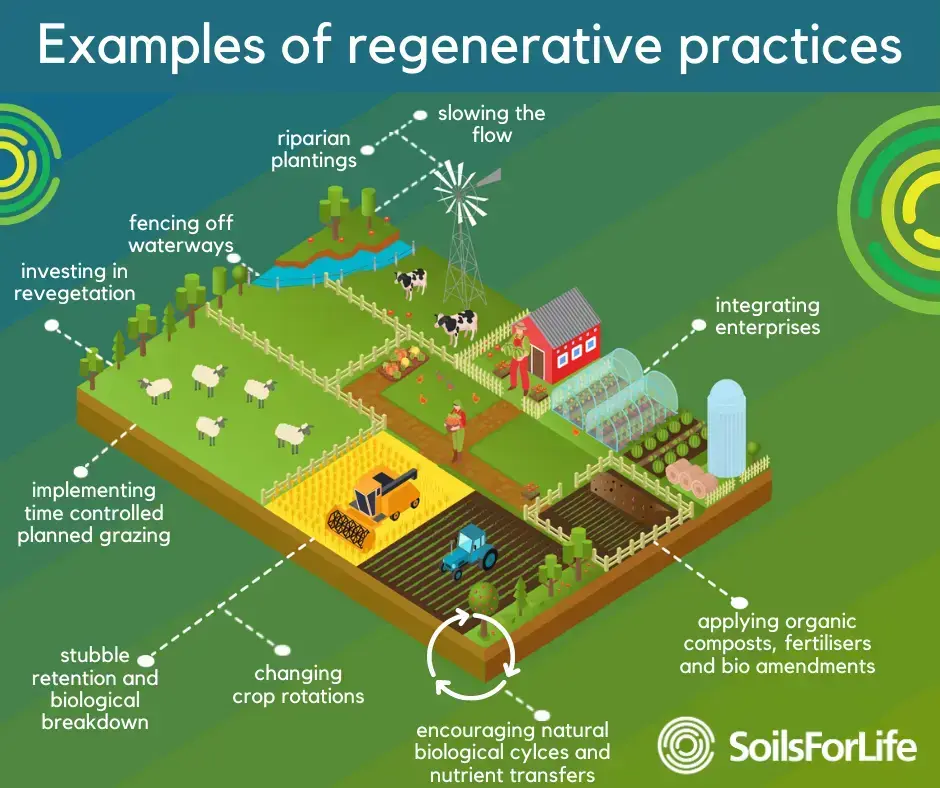
Regenerative agriculture practices are gaining traction as a sustainable farming approach that focuses on restoring and enhancing the health of the soil. By implementing techniques such as cover cropping, crop rotation, and minimal tillage, regenerative agriculture aims to improve soil fertility, increase biodiversity, and sequester carbon from the atmosphere. This holistic approach not only benefits the environment but also results in healthier crops and greater resilience to climate change.
Urban farming initiatives have been on the rise in cities around the world as a response to growing concerns about food security, resource depletion, and environmental degradation. From rooftop gardens to community plots, urban farms play a vital role in providing fresh produce to local communities while promoting green spaces and reducing food miles. These initiatives also contribute to education about sustainable food production practices and foster a sense of community among residents.
Food waste reduction strategies on farms are essential for minimizing environmental impact and maximizing resource efficiency. By implementing practices such as composting, utilizing imperfect produce, or donating surplus food to those in need, farmers can significantly reduce their contribution to food waste. Additionally, innovative technologies like anaerobic digesters can help convert organic waste into renewable energy sources while mitigating greenhouse gas emissions.
Indigenous food sovereignty movements advocate for reclaiming traditional agricultural practices and preserving native seeds varieties. By prioritizing culturally relevant foods and honoring indigenous knowledge systems, these movements seek to promote self-sufficiency within indigenous communities while safeguarding biodiversity and ecological balance. Indigenous-led initiatives often emphasize holistic land stewardship practices that respect ancestral connections with the land.
Farmworker rights and fair labor practices are fundamental considerations in ensuring ethical standards within the agricultural industry. Fair wages, safe working conditions, access to healthcare services, and protection against exploitation are essential aspects of promoting social justice within farm labor sectors. Advocacy efforts continue to highlight the importance of upholding human rights for all individuals involved in food production processes.
The impact of climate change on farm-to-table systems is becoming increasingly evident through extreme weather events, shifting growing seasons, and disruptions in supply chains. Farmers are facing challenges related to unpredictable weather patterns that threaten crop yields and overall productivity. Adapting resilient farming methods such as agroforestry or water conservation techniques is crucial for mitigating climate risks while maintaining sustainable food production systems.
Community-supported agriculture (CSA) models offer consumers direct access to fresh produce from local farmers through subscription-based programs. By fostering relationships between producers and consumers based on mutual support and transparency, CSAs promote sustainable farming practices while encouraging healthy eating habits among participants. This model also incentivizes farmers to prioritize diversity in crops grown seasonally according to regional conditions.
Biodynamic farming principles integrate spiritual beliefs with ecological stewardship practices aimed at harmonizing natural elements within agricultural ecosystems. By following biodynamic calendars for planting cycles or using herbal preparations for soil fertility enhancement, biodynamic farmers strive towards holistic farm management that respects cosmic rhythms alongside terrestrial processes. This approach emphasizes interconnectedness between plants,
animals,
and humans within agroecological systems.

Leave a Reply