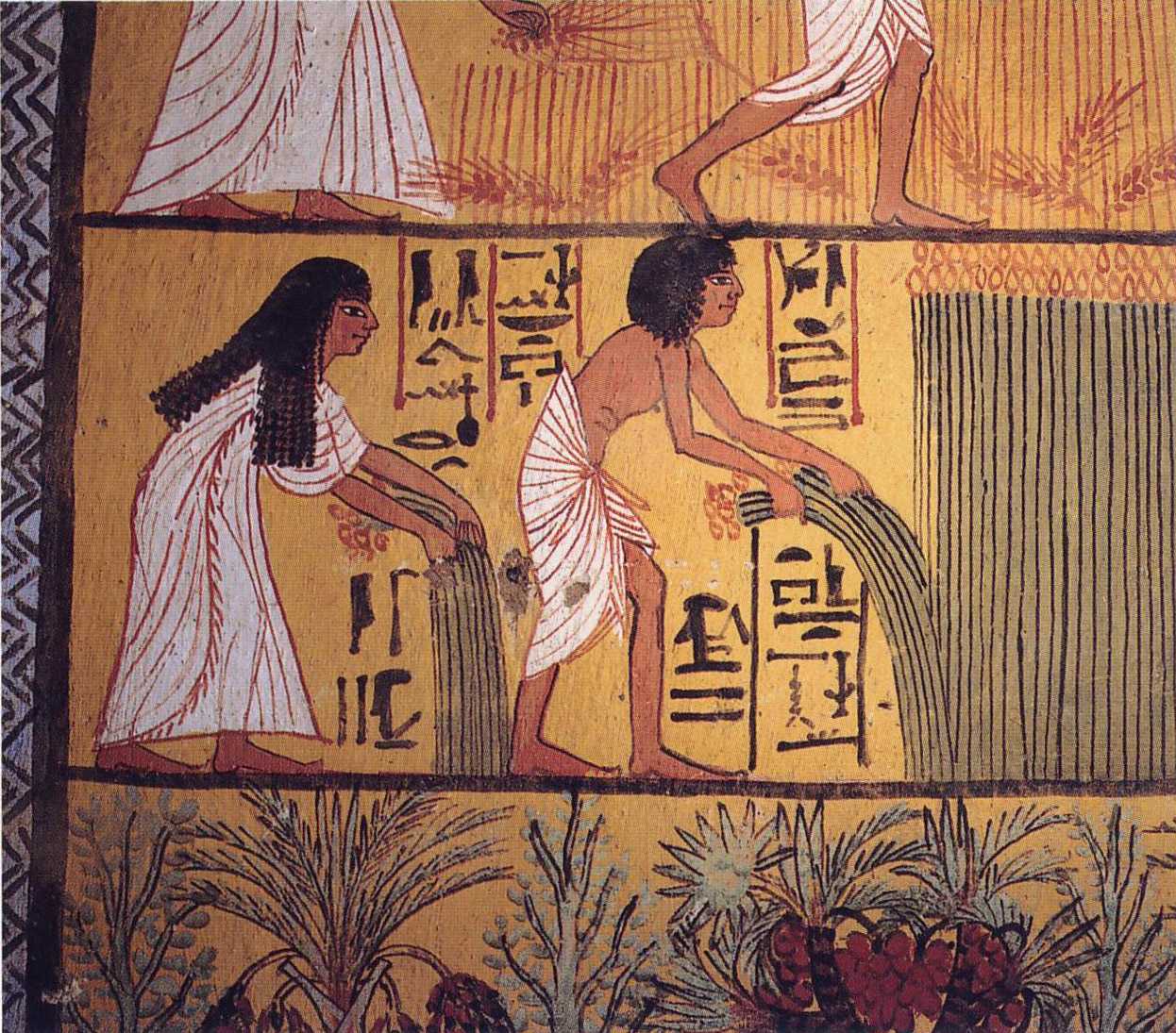
In the realm of healthy eating, one cannot overlook the importance of ancient civilizations and their dietary habits that have shaped our understanding of nutrition today. Ancient Egypt, in particular, stands out as a civilization that had a profound connection to food and its role in maintaining health.
The ancient Egyptians viewed food not only as sustenance but also as an integral part of their culture and religious beliefs. Their diet was primarily plant-based, consisting of grains such as barley, emmer wheat, and flaxseed. Fruits like dates, figs, and pomegranates were also staples in their daily meals. Vegetables such as onions, garlic, lettuce, cucumbers, and radishes were commonly consumed for their nutritional benefits.
One of the key components of the ancient Egyptian diet was bread. Bread was considered a symbol of life and prosperity and was consumed by people from all social classes. The most common type of bread made by the ancient Egyptians was a simple form known as “flatbread,” which was made from emmer wheat flour mixed with water and salt before being baked on hot stones or clay griddles.
Another important aspect of the ancient Egyptian diet was beer. Beer played a significant role in both religious rituals and everyday life. It was often consumed during meals or used as an offering to gods during ceremonies. Beer production involved fermenting barley or emmer wheat with water to create a fermented beverage that provided essential nutrients like carbohydrates and B vitamins.
Fruits held great significance in the ancient Egyptian diet due to their natural sweetness and abundance in nutrients. Dates were particularly prized for their high sugar content while figs provided fiber along with vitamins A and K. Pomegranates were valued for their antioxidant properties along with vitamin C content.
Vegetables formed an essential part of every meal in ancient Egypt due to their diverse nutrient profiles. Onions were believed to have medicinal properties while garlic was thought to boost strength and endurance. Lettuce served both culinary purposes as well as medicinal ones due to its cooling effect on the body.
Meat consumption among the ancient Egyptians was less common compared to other elements of their diet but still played a role in special occasions or festivals where offerings were made to gods or shared among communities during feasts.
The concept of balance in eating resonated strongly within ancient Egyptian society where moderation played a key role in maintaining health alongside physical activity through farming labor or construction work which kept individuals active throughout much of the day contributing towards overall well-being.
Herbs such as coriander, cumin, dill, mint, thyme were used extensively not only for flavoring dishes but also for their medicinal properties promoting digestion or alleviating ailments ranging from indigestion to coughs thus showcasing how holistic approaches towards health existed even within dietary practices long ago
Overall,the dietary habits practiced by the ancient Egyptians offer valuable insights into how whole foods rich in nutrients can provide sustenance while also serving cultural,social,and religious functions.Following principles rooted deeply within history can guide us towards making informed choices about our own diets today thereby fostering healthier lifestyles inspired by traditions passed down through generations.

Leave a Reply