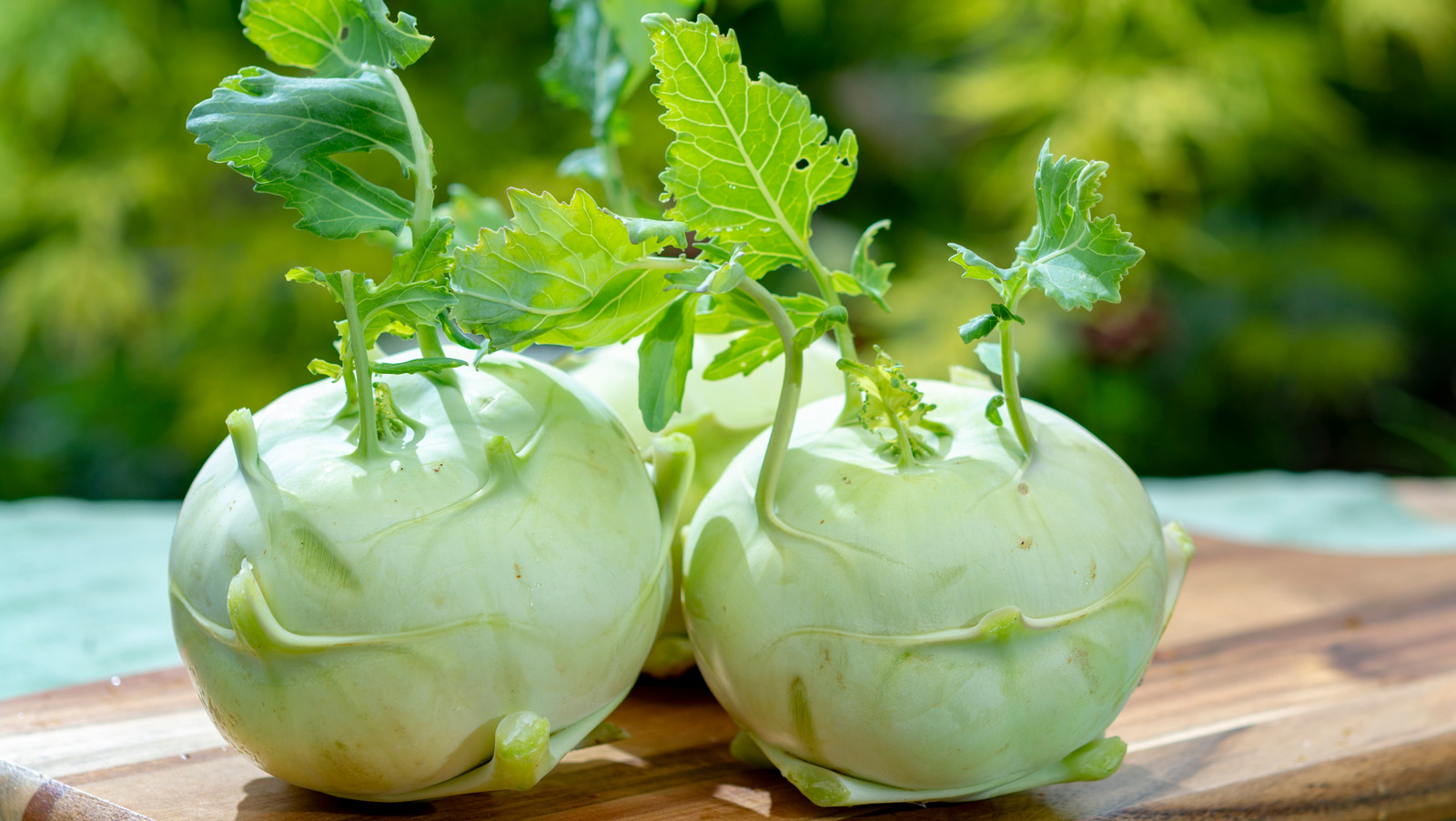
Kohlrabi, a lesser-known member of the cabbage family, is a versatile and nutritious vegetable that is worth incorporating into your diet. Here are some commonly asked questions about kohlrabi:
Q: What does kohlrabi taste like?
A: Kohlrabi has a mild and slightly sweet flavor with a hint of peppery undertones. Its taste is often compared to a mix between broccoli stems and radishes.
Q: How do I select fresh kohlrabi at the store?
A: When choosing kohlrabi, look for bulbs that are firm, heavy for their size, and free from blemishes or soft spots. The leaves should be vibrant green and not wilted.
Q: How can I prepare kohlrabi?
A: Kohlrabi can be enjoyed raw or cooked. To prepare it, start by peeling off the tough outer skin with a vegetable peeler. From there, you can slice or cube it to add to salads, slaws, stir-fries, or soups. It can also be roasted or steamed as a side dish.
Q: Is kohlrabi nutritious?
A: Yes! Kohlrabi is low in calories but high in fiber, vitamins (especially vitamin C), minerals like potassium and copper, as well as antioxidants. It’s also a good source of phytochemicals that have been linked to health benefits.
Q: Can I eat both the bulb and leaves of kohlrabi?
A: Absolutely! Both parts of the plant are edible. The bulb is crunchy and delicious when eaten raw or cooked; the leaves can be used similarly to kale or collard greens in recipes like sautés or soups.
In conclusion, don’t overlook this unique vegetable on your next trip to the grocery store – give kohlrabi a try for its nutritional value and culinary versatility!

Leave a Reply