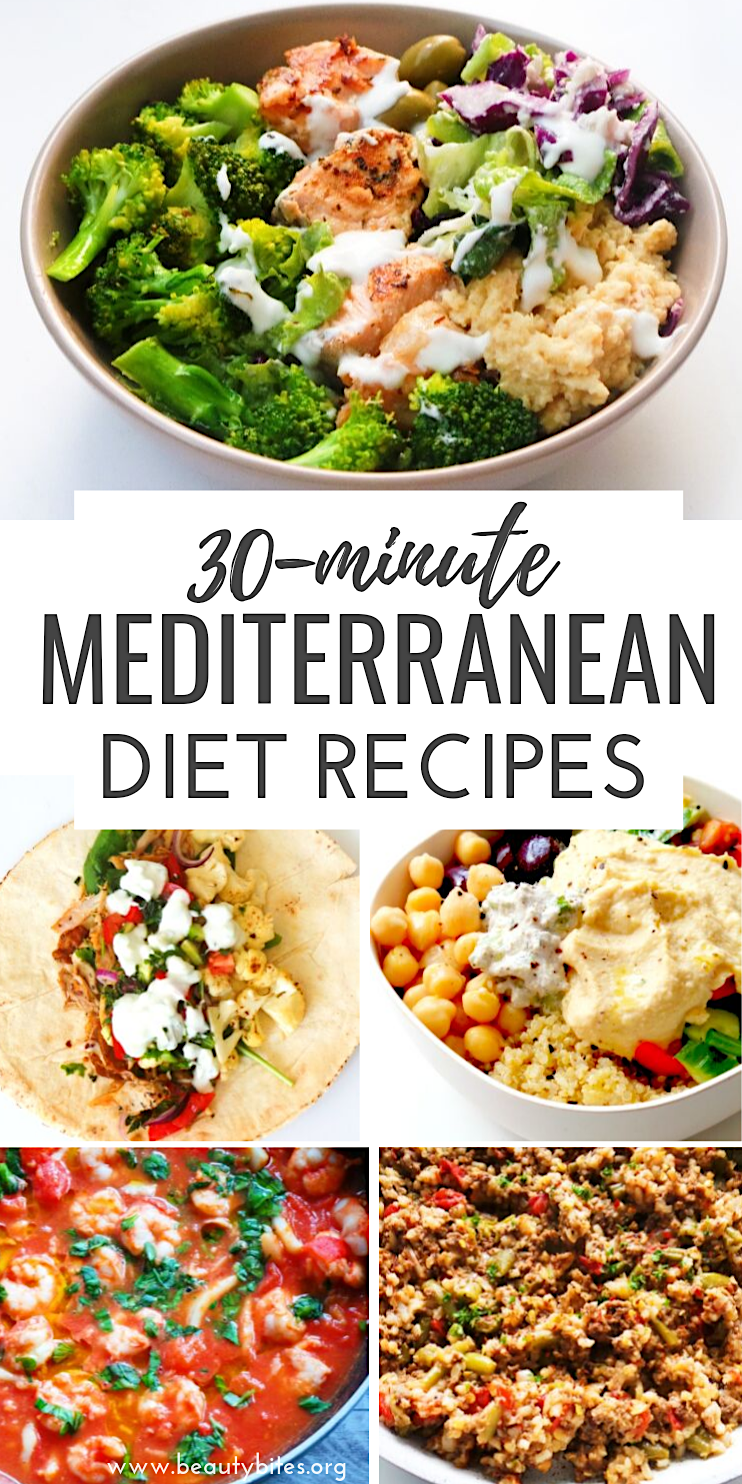
The Mediterranean diet is widely celebrated for its numerous health benefits, including reducing the risk of heart disease, improving brain function, and aiding in weight loss. This dietary pattern is inspired by the traditional eating habits of people living in countries bordering the Mediterranean Sea. While there are common elements that define the Mediterranean diet, such as an emphasis on fresh fruits and vegetables, whole grains, legumes, nuts, olive oil, and fish; there are also variations within this dietary framework based on regional differences.
1. **Greek Variation:**
Greek cuisine has a strong influence on the Mediterranean diet due to Greece’s location along the Mediterranean Sea. The Greek variation of the diet includes plenty of fresh fruits like figs and grapes, vegetables such as tomatoes and cucumbers, whole grains like bulgur and barley, legumes such as chickpeas and lentils, dairy products like yogurt and feta cheese, seafood like octopus and sardines, as well as lean proteins from sources like chicken and lamb. Olives and olive oil play a central role in Greek cooking.
2. **Italian Variation:**
Italian cuisine is known for its bold flavors and diverse ingredients which are reflected in the Italian variation of the Mediterranean diet. Tomatoes feature prominently in Italian dishes alongside other vegetables like zucchini and eggplant. Whole grains are consumed in the form of pasta made from durum wheat or risotto made from Arborio rice. Cheese varieties such as Parmesan or mozzarella add richness to meals while seafood options range from anchovies to swordfish. Herbs like basil, oregano, rosemary enhance the flavors found in Italian cooking.
3. **Spanish Variation:**
Spain’s proximity to both land and sea influences its unique take on the Mediterranean diet with a focus on ingredients like tomatoes (used in gazpacho), bell peppers (found in dishes like paella), artichokes (commonly used in stews), almonds (a popular snack), saffron (a key spice), chorizo sausage (for flavoring), cod (often served salted) among others.
4. **Middle Eastern Variation:**
Countries like Lebanon, Syria,and Turkey have their own spin on the Mediterranean diet that includes ingredients typical of Middle Eastern cuisine such as pomegranates used for juices or salads; tahini which forms part of dips or dressings; dates incorporated into desserts; nuts particularly pistachios added to both savory dishes & sweets; flatbreads made from wheat flour known as pita bread; spices ranging from sumac to za’atar that give distinct flavor profiles to various dishes.
5. **North African Variation:**
In North African countries like Morocco where Arabic influences merge with indigenous traditions you’ll find components distinctive to this region’s version of the Mediterranean Diet including couscous crafted out semolina grain often paired with stewed meats & vegetables ; preserved lemons offering a tangy taste contrast ; harissa paste adding heat to dishes ; mint tea providing refreshment post-meal ; olives playing a significant role not just food but also ceremonial occasions.
While these variations exist within different regions surrounding the Mediterranean Sea each one stays true core principles emphasizing consumption plant-based foods healthy fats lean proteins limited processed sugars salt coupled moderate wine intake regular physical activity creating lifestyle promotes overall wellness longevity adherents these diets have been shown experience lower rates chronic diseases obesity compared those following modern western patterns eating making compelling choice individuals seeking improve their health through dietary changes embrace rich cultural culinary heritage vibrant flavorful array foods offered by diverse interpretations iconic regimen

Leave a Reply