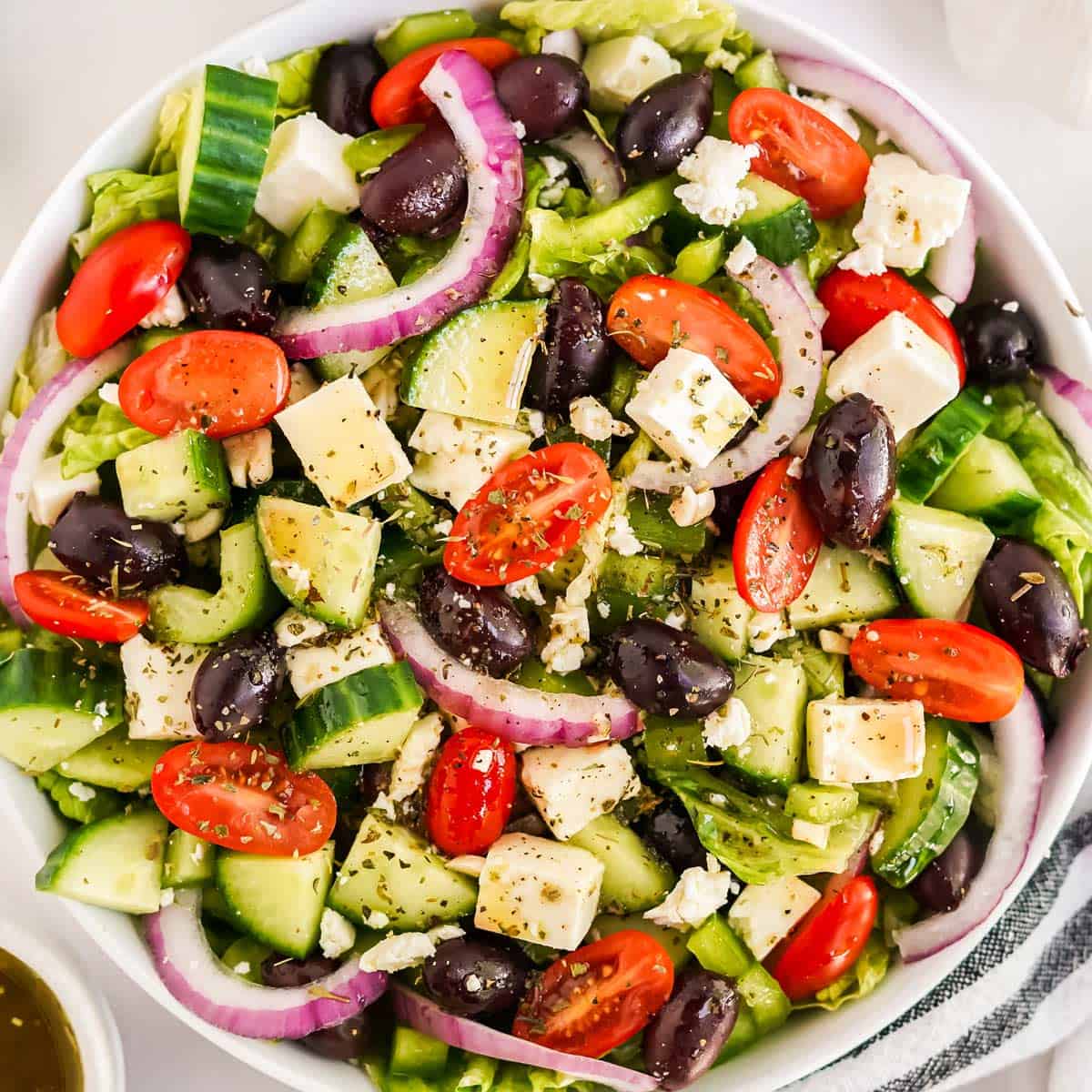
Greek salad is a popular and refreshing dish that combines crisp vegetables, tangy feta cheese, briny olives, and a zesty dressing. Not only is it delicious, but it’s also packed with nutrients and makes for a perfect light meal or side dish. If you’re looking to incorporate more fresh produce into your diet, Greek salad is an excellent choice.
Whether you’re hosting a summer barbecue, packing lunch for work, or simply craving something healthy and flavorful, mastering the art of Greek salad preparation will serve you well. The beauty of this dish lies in its simplicity – by using high-quality ingredients and the right balance of flavors, you can create a satisfying meal that’s as visually appealing as it is tasty.
To help you perfect your Greek salad game, here are some tips on selecting ingredients, preparing the salad components, assembling the dish, and storing any leftovers:
1. **Ingredients Selection:**
– Start with fresh produce: Choose ripe tomatoes (preferably Roma or cherry tomatoes), crisp cucumbers (English or Persian cucumbers work well), red onions for their mild flavor when sliced thinly.
– Opt for high-quality olives: Kalamata olives are traditional in Greek salad due to their rich flavor profile.
– Don’t skimp on the feta: Look for authentic Greek feta cheese made from sheep’s milk for its creamy texture and tangy taste.
– Fresh herbs make a difference: Dill or oregano adds an extra layer of freshness to the salad.
2. **Preparing the Salad Components:**
– Wash all vegetables thoroughly before chopping them into bite-sized pieces.
– If using large tomatoes instead of cherry tomatoes, consider deseeding them to prevent excess moisture in the salad.
– Crumble the feta cheese into chunks rather than finely grating it – this allows it to retain its texture while still evenly distributing throughout the dish.
– Slice red onions thinly and soak them in cold water for 10-15 minutes if you find their raw flavor too strong.
3. **Making the Dressing:**
– A classic Greek dressing typically includes olive oil, red wine vinegar (or lemon juice), dried oregano, minced garlic cloves (optional), salt, and pepper.
– Whisk together these ingredients in a small bowl until emulsified; adjust seasonings to taste.
4. **Assembling Your Greek Salad:**
– In a large mixing bowl, combine chopped vegetables (tomatoes, cucumber), olives,
crumbled feta cheese along with any additional ingredients like bell peppers or
avocado if desired.
– Drizzle over your prepared dressing sparingly; remember that less is often more when
it comes to dressings so start with less than you think you need then add more if
necessary.
– Gently toss all ingredients together until everything is coated evenly with dressing;
be careful not to crush delicate vegetable pieces like tomato slices while doing so.
5. **Serving Suggestions:**
Serve your freshly assembled Greek salad immediately at room temperature
accompanied by toasted pita bread wedges or grilled chicken skewers
especially during warm weather months when lighter meals are preferred.
6. **Storing Leftovers:**
If there happen to be leftovers after serving up your delicious creation store
them in an air-tight container refrigerated where they can stay fresh up
up three days though ideally finished within two days from making date
In conclusion,Greek salads are versatile dishes ideal as main courses,lunches,sides,and even party platters.The health benefits derived from consuming such nutrient-dense foods make worthwhile additions one’s dietary routine.Enjoy experimenting different variations adding personal twists customizing according tastes preferences Keep proportions simple maintain quality standard ingredients ensures result remains true intentions original recipe Bon appétit!

Leave a Reply