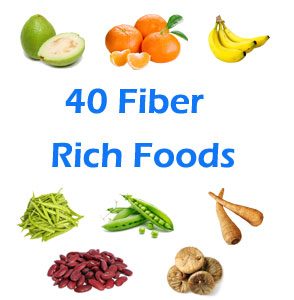
Fiber is an essential nutrient that plays a crucial role in maintaining good health. It is a type of carbohydrate found in plant-based foods like fruits, vegetables, whole grains, nuts, seeds, and legumes. Despite being classified as a carbohydrate, fiber cannot be broken down by the body’s digestive enzymes, so it passes through the digestive system largely intact.
There are two main types of dietary fiber: soluble and insoluble. Soluble fiber dissolves in water to form a gel-like substance in the gut. This type of fiber helps lower cholesterol levels and regulate blood sugar levels. Good sources of soluble fiber include oats, barley, beans, lentils, apples, and citrus fruits.
On the other hand, insoluble fiber does not dissolve in water but instead adds bulk to the stool and helps food move more quickly through the digestive tract. Insoluble fiber is found in foods like whole wheat flour, wheat bran, nuts, and vegetables such as cauliflower and green beans.
Including an adequate amount of both types of fiber in your diet is important for maintaining overall health. The recommended daily intake of fiber varies depending on age and gender but generally falls between 25-38 grams per day for adults.
One of the key benefits of consuming an adequate amount of dietary fiber is its impact on digestive health. Fiber helps prevent constipation by adding bulk to the stool and promoting regular bowel movements. It also feeds beneficial bacteria in the gut known as probiotics which play a vital role in supporting overall gut health.
Moreover, a high-fiber diet has been linked to a reduced risk of developing chronic conditions such as heart disease, diabetes, obesity and certain types of cancer. Soluble fiber helps lower LDL (bad) cholesterol levels by binding with bile acids in the intestine which are then excreted from the body rather than being reabsorbed into circulation.
Furthermore; consuming enough soluble fibre can help stabilize blood sugar levels after meals by slowing down digestion and delaying glucose absorption.Soluble fibre also promotes feeling fullness after eating which can aid weight management efforts by reducing overall calorie consumption throughout the day.
Incorporating more high-fiber foods into your diet doesn’t have to be difficult or time-consuming.There are many simple ways to increase your daily intake:
1.Eat plenty of fruits & vegetables: Aim for at least 5 servings each day.
2.Choose whole grains over refined grains where possible.
3.Include legumes such as beans,lentils & chickpeas regularly.
4.Add seeds like chia or flaxseeds to smoothies,yogurt or oatmeal
5.Snack on nuts & seeds instead processed snacks when possible
It’s important to increase your intake gradually alongside drinking plenty fluids such as water because suddenly increasing fibre intake without enough hydration may lead abdominal discomfort including bloating & cramps.
If you’re looking to boost your daily fibre consumption consider keeping track using online apps or food diaries until you get used identifying rich sources.It could be helpful initially since some people might experience gas or bloating when they first start incorporating more fibre-rich foods into their diets However these symptoms usually subside once your body gets accustomed.
To conclude,Fiber is an essential nutrient that provides numerous health benefits ranging from improved digestion,to reduced risk chronic diseases.With some conscious effort towards including more whole plant-based foods everyday,you’ll soon be well on way towards meeting your daily requirements while reaping all associated rewards!

Leave a Reply