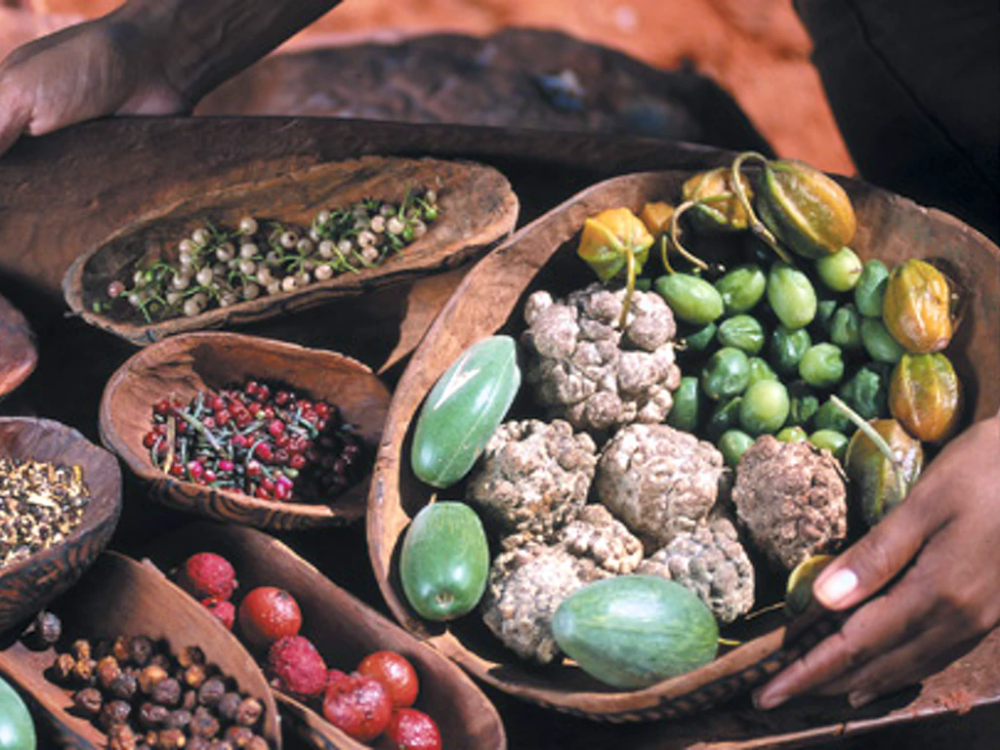
Indigenous communities around the world have a rich and diverse history of sourcing food from their surroundings. Traditional diets often revolve around locally sourced ingredients that are nutrient-dense and culturally significant. In this article, we will explore some of the key Indigenous food sources that provide essential nutrients and contribute to overall health and well-being.
1. **Wild Game**: Indigenous communities have long relied on hunting wild game for protein-rich sustenance. Wild game such as venison, bison, elk, moose, rabbit, and duck are lean sources of protein that are low in saturated fats compared to commercially raised meats. These animals feed on natural vegetation which imparts unique flavors to their meat.
2. **Fish**: Many Indigenous communities have access to rivers, lakes, and oceans where they can fish for a variety of species like salmon, trout, herring, mackerel, and cod. Fish is an excellent source of omega-3 fatty acids which support heart health and brain function. It is also rich in essential nutrients like vitamin D and selenium.
3. **Berries**: Berries such as blueberries, strawberries, raspberries, blackberries, cranberries are staples in many Indigenous diets. These fruits are rich in antioxidants which help protect cells from damage caused by free radicals. They also contain fiber which aids digestion and helps maintain healthy blood sugar levels.
4. **Root Vegetables**: Root vegetables like potatoes (including sweet potatoes), carrots, beets, turnips were traditionally cultivated by Indigenous peoples for their high carbohydrate content which provided sustained energy throughout the day. These vegetables are also good sources of vitamins A and C along with minerals like potassium.
5. **Beans/Legumes**: Beans such as black beans, kidney beans; lentils; chickpeas are popular plant-based protein sources used in Indigenous cooking across various cultures worldwide. They offer a mix of protein and fiber while being low in fat making them a nutritious addition to any meal.
6..**Corn/Maize**: Corn or maize has been a staple crop for many Indigenous communities especially those in the Americas for thousands of years due to its versatility as an ingredient – it can be ground into flour or used fresh off the cob depending on culinary needs.
7..**Seaweed/Sea Vegetables**: Coastal Indigenous populations often incorporate seaweed varieties like nori,kelp,dulse into their diets.Seaweeds offer iodine,nutrients,vitamins,minerals not commonly found elsewhere,making them valuable additions.
Incorporating these traditional foods into modern diets can offer numerous health benefits due to their nutrient density compared to processed foods typically consumed today:
1..**Nutrient Density:** Traditional indigenous foods tend to be more nutrient-dense than processed foods due to minimal processing methods preserving vitamins,minerals,fiber,and other beneficial compounds without added sugars,sodium,preservatives typical found within processed products.
2..**Protein Quality:** Wild game,fish,and legumes tendersource complete proteins containing all essential amino acids necessaryfor bodily functions unlike certain plant-based proteins requiring complementary pairings.
3..**Healthier Fats:** Wild game,fish possess higher concentrations omega-3 fattyacids improving cardiovascular health,reducing inflammation better than saturate fats found within commercial meats.
4..**Diverse Nutrients:** Incorporating berries root vegetables corn adds diversity diet providing wider array vitamins,minerals antioxidants supporting immune system,functioning vital organs body.
5..**Sustainability:** By promoting consumption traditional indigenousfoods sustainable practices farming/harvesting supported reducing environmental impact unsustainable agricultural practices common today.
Despite these benefits,it’s important approach incorporating indigenous foodswith respect understanding cultural significance associated.Displacementcolonization negatively impacted indigenous populations access traditionalfoods leading loss knowledge ancestral dietary practices efforts restore preserve crucial honoring historiescultures.
In conclusion,the inclusion traditional indigenous foods modern diet offersopportunity improve nutritional intake promote healthier lifestyleswhile supporting sustainability protecting cultural heritage.Communitiesindividuals encouraged explore native ingredients recipes fosterappreciation understanding diverse culinary traditions across globeembracing nourishing bounty earth provides us.

Leave a Reply