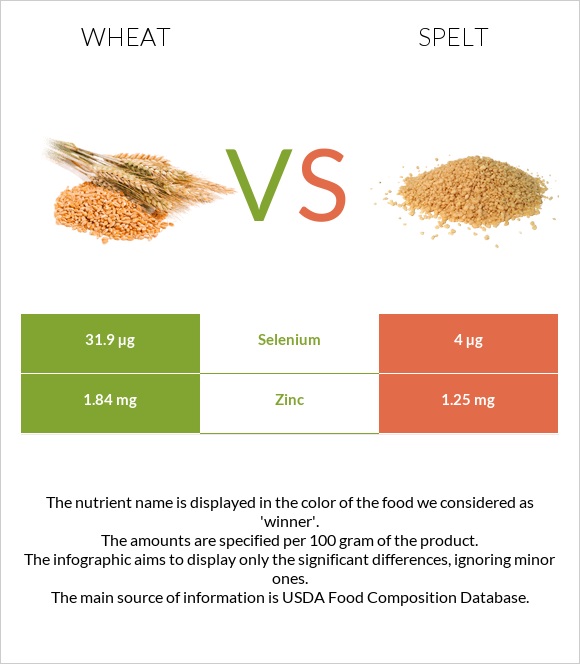
Spelt, an ancient grain with a nutty flavor and numerous health benefits, has been gaining popularity in recent years as a nutritious alternative to modern wheat. This versatile grain can be used in various dishes and provides a range of essential nutrients that support overall well-being.
One of the key reasons for spelt’s growing popularity is its nutritional profile. Spelt is high in fiber, which supports digestive health and helps regulate blood sugar levels. It also contains protein, making it a valuable source of amino acids necessary for muscle growth and repair. Additionally, spelt is rich in vitamins and minerals such as iron, magnesium, phosphorus, and B vitamins, all of which play important roles in maintaining good health.
Unlike modern wheat varieties that have undergone extensive breeding for higher yields and uniformity, spelt remains relatively unchanged from its original form. As a result, some people find that they can tolerate spelt better than wheat due to its different gluten structure. While not suitable for those with celiac disease or severe gluten intolerance, some individuals with mild sensitivities may find that they can enjoy spelt without experiencing adverse effects.
Spelt can be used in various forms in cooking and baking. Spelt flour is commonly used as a substitute for wheat flour in recipes for bread, pasta, muffins, pancakes, and more. Its slightly sweet flavor adds depth to baked goods while providing the benefits of its nutritional content. Whole spelt grains can also be cooked like rice or added to salads for extra texture and flavor.
In addition to its culinary uses, spelt has been associated with several potential health benefits. Some studies suggest that consuming whole grains like spelt may help reduce the risk of chronic diseases such as heart disease, diabetes, and certain types of cancer. The fiber content in spelt can promote feelings of fullness and aid weight management by reducing appetite.
When incorporating spelt into your diet, it’s important to choose organic varieties whenever possible to avoid exposure to pesticides or genetically modified organisms (GMOs). Look for products labeled as “whole grain” or “100% whole spelt” to ensure you are getting the maximum nutritional benefit from this ancient grain.
Overall, adding spelt to your diet can be a delicious way to boost your intake of essential nutrients while exploring new flavors and textures in your meals. Whether you’re looking to improve your digestive health or simply expand your culinary horizons, give this ancient grain a try – your taste buds and body will thank you!

Leave a Reply