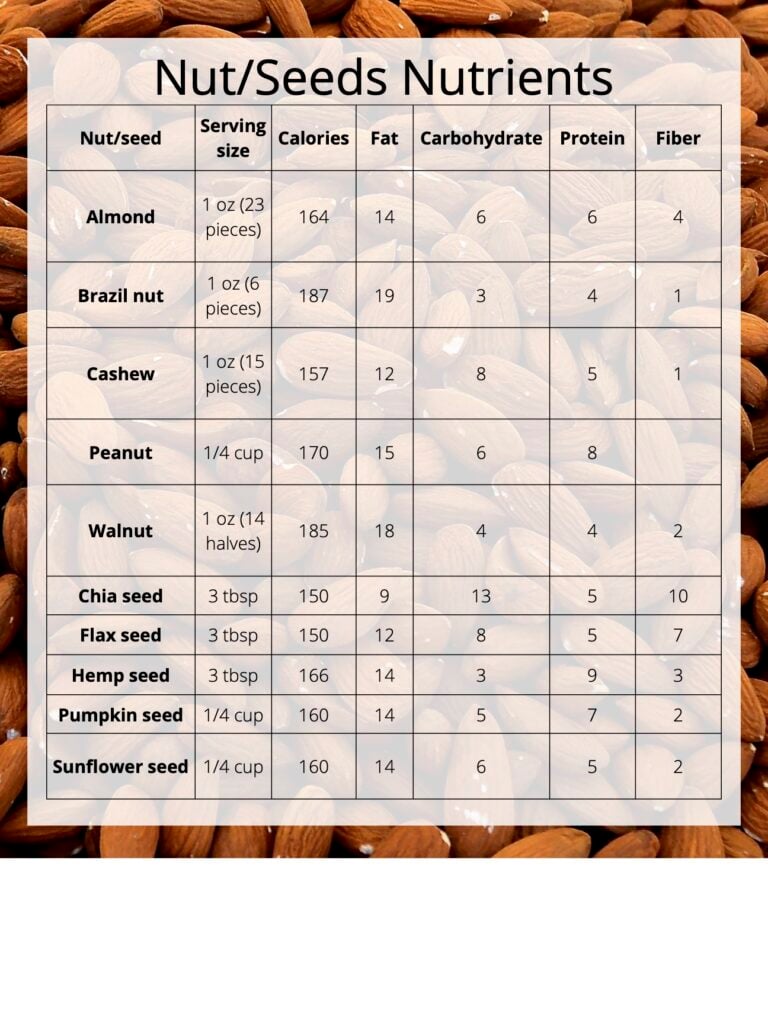
Nuts and seeds are not only delicious but also pack a powerful punch when it comes to health benefits. Incorporating these nutrient-dense foods into your diet can have numerous positive effects on your overall well-being. Let’s delve into the plethora of health benefits that nuts and seeds offer.
Firstly, nuts and seeds are rich in heart-healthy fats, such as omega-3 fatty acids, monounsaturated fats, and polyunsaturated fats. These good fats play a key role in reducing inflammation in the body, lowering bad cholesterol levels (LDL), and promoting overall cardiovascular health. Including a variety of nuts like almonds, walnuts, and seeds such as flaxseeds or chia seeds can help lower the risk of heart disease.
Moreover, nuts and seeds are excellent sources of plant-based protein. They provide essential amino acids needed for muscle repair and growth. Adding a handful of mixed nuts or sprinkling some sesame seeds on your salad can be an easy way to increase your protein intake if you follow a vegetarian or vegan diet.
One notable benefit of nuts and seeds is their high fiber content. Fiber is crucial for maintaining digestive health by promoting regular bowel movements and preventing constipation. Additionally, dietary fiber helps keep you feeling full for longer periods which can aid in weight management by reducing overeating.
In addition to healthy fats, protein, and fiber, nuts and seeds are packed with vitamins, minerals, antioxidants, and phytochemicals that support various bodily functions. For instance: almonds contain vitamin E which is beneficial for skin health; pumpkin seeds are rich in zinc that supports immune function; sunflower seeds provide magnesium which aids in muscle relaxation; chia seeds offer calcium important for bone strength.
For individuals looking to manage their blood sugar levels effectively or reduce the risk of developing type 2 diabetes incorporating nuts like pistachios or peanuts along with flaxseeds or hemp hearts into their daily meals may prove beneficial due to their low glycemic index properties.
Furthermore, research has shown that consuming nuts regularly may help improve brain function due to their high content of antioxidants like vitamin E that protect cells from oxidative stress linked to cognitive decline as we age.
It’s worth noting that while nuts are energy-dense foods due to their fat content they can still be included in a balanced diet without causing weight gain when consumed in moderation as part of an overall healthy eating pattern.
Lastly – but certainly not least – including a variety of different types of nuts and seeds in your diet can add texture flavor richness diversity versatility making meals more exciting enjoyable satisfying leading you towards better adherence long-term success healthier habits.
In conclusion investing time effort thought into incorporating diverse array nut seed options daily routine stands reap multitude rewards ranging improved heart brain gut eye joint skin health enhanced immunity stabilized blood sugar levels increased satiety potential weight management benefits Remember portion control key enjoy them part balanced nutritious lifestyle

Leave a Reply