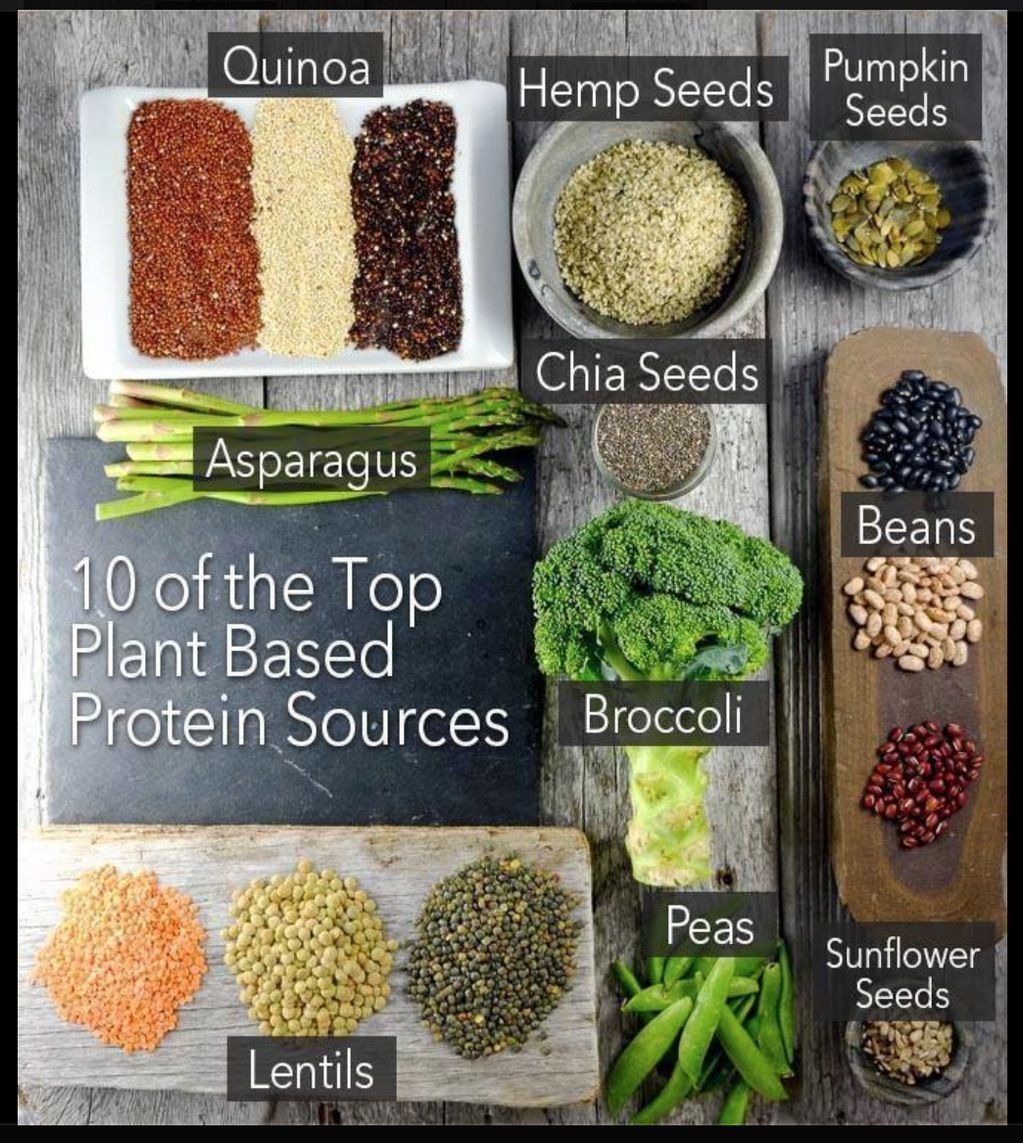
Plant-based proteins have gained popularity not only for their health benefits but also for being cost-effective options compared to traditional meat sources. When looking at the cost comparison of plant-based protein sources, it’s evident that staples like beans, lentils, and tofu are much more budget-friendly than meat products. Incorporating these into your diet can lead to significant savings over time.
Meal prepping with plant-based proteins is a great way to save money as well. By preparing meals in advance using affordable ingredients like chickpeas or quinoa, you can avoid last-minute takeout expenses.
To optimize your budget further, consider DIY plant-based protein alternatives such as homemade nut milks or seitan. These options are often cheaper than store-bought versions.
When comparing organic vs non-organic plant-based proteins, non-organic varieties are typically more affordable while still providing essential nutrients. However, if budget allows, investing in organic options could be worth it for environmental and health reasons.
Inflation may impact the cost of popular plant-based protein products, so keeping an eye out for discounts or deals on bulk purchases can help offset rising prices. Additionally, understanding price fluctuations in the market for different types of plant-based proteins can aid in making informed purchasing decisions.
By calculating the financial savings of incorporating more plant-based proteins into your diet and strategizing meal planning around these ingredients, you can enjoy sustainable and affordable dietary choices that benefit both your wallet and well-being.

Leave a Reply