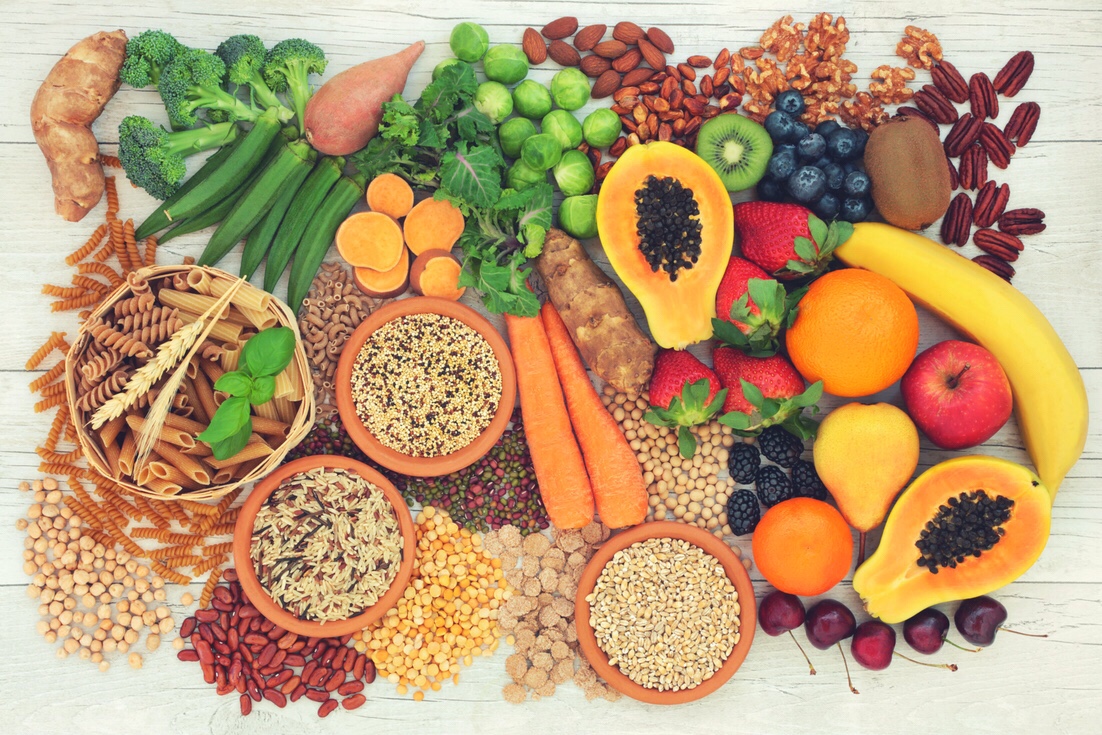
Fiber-rich foods are an essential component of a healthy diet, yet many people do not consume enough of them on a daily basis. Dietary fiber is the indigestible part of plant foods that passes through our digestive system mostly intact, providing a range of health benefits. There are two main types of dietary fiber: soluble and insoluble. Soluble fiber dissolves in water and helps to lower cholesterol levels and regulate blood sugar levels. Insoluble fiber does not dissolve in water and adds bulk to the stool, promoting regular bowel movements.
Including a variety of fiber-rich foods in your diet can have numerous positive effects on your overall health. One major benefit is improved digestive health. Fiber helps to prevent constipation by adding bulk to the stool, making it easier to pass through the digestive tract. Additionally, fiber acts as a prebiotic, feeding the beneficial bacteria in your gut and promoting a healthy gut microbiome.
Fiber-rich foods also play a crucial role in weight management. Foods high in fiber tend to be more filling than low-fiber foods, which can help you feel satisfied with smaller portions and reduce overall calorie intake. This can be particularly helpful for those looking to maintain or lose weight. Furthermore, high-fiber diets have been linked to lower rates of obesity and chronic diseases such as heart disease, type 2 diabetes, and certain types of cancer.
Some excellent sources of soluble fiber include oats, legumes (such as beans and lentils), fruits (especially apples, oranges, and berries), vegetables (like Brussels sprouts and sweet potatoes), chia seeds, flaxseeds, and nuts (such as almonds). Insoluble fiber can be found in whole grains (like brown rice or quinoa), wheat bran, nuts and seeds (such as sunflower seeds), vegetables (including broccoli and spinach), fruits with edible peels or skins (like pears or kiwis), as well as root vegetable skins like potatoes.
Incorporating more fiber-rich foods into your meals doesn’t have to be difficult or time-consuming. Simple swaps like choosing whole grain bread over white bread or snacking on fresh fruit instead of processed snacks can make a big difference. Gradually increasing your intake of high-fiber foods while also staying hydrated will help prevent any potential discomfort associated with sudden changes in dietary habits.
Overall, prioritizing fiber-rich foods is key to maintaining good health and preventing various chronic illnesses down the line. By making conscious choices when it comes to meal planning and food selection – opting for whole grains over refined grains, consuming plenty of fruits and vegetables daily – you’ll set yourself up for success when it comes to meeting your nutritional needs while also enjoying delicious meals packed with essential nutrients.

Leave a Reply