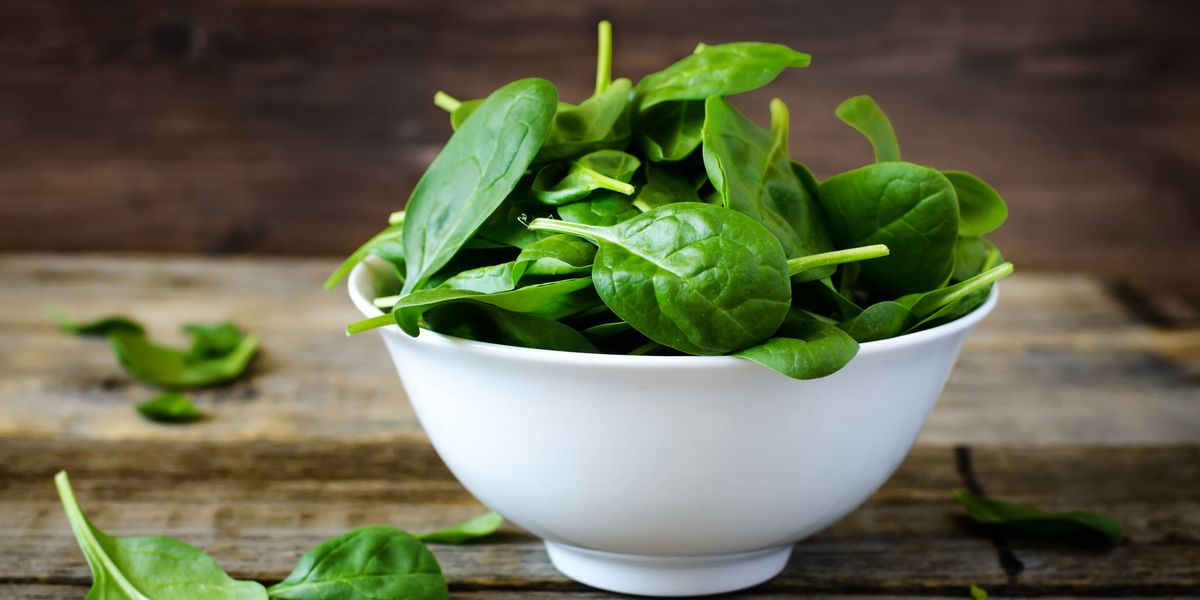
Spinach is a versatile and nutrient-dense leafy green vegetable that has been enjoyed for centuries. Packed with vitamins, minerals, and antioxidants, spinach offers a plethora of health benefits that make it a valuable addition to any diet.
Nutritional Profile:
One of the key reasons why spinach is considered a superfood is its impressive nutritional profile. This leafy green is low in calories but high in essential nutrients. A one-cup serving of raw spinach contains just 7 calories yet provides 56% of the daily recommended intake of vitamin A, 14% of vitamin C, 181% of vitamin K, as well as smaller amounts of folate, manganese, magnesium, iron, and calcium.
Health Benefits:
1. Rich in Antioxidants: Spinach is loaded with antioxidants such as beta-carotene and lutein which help protect cells from damage caused by free radicals. These compounds have been linked to reducing the risk of chronic diseases like heart disease and cancer.
2. Supports Eye Health: Lutein and zeaxanthin found in spinach are particularly beneficial for eye health. They accumulate in the retina and help protect against age-related macular degeneration and cataracts.
3. Bone Health: The high content of vitamin K in spinach plays a crucial role in maintaining bone health by helping calcium absorption into bones. Adequate intake of vitamin K has been associated with reduced risk of fractures.
4. Heart Health: The combination of vitamins A and C along with potassium found in spinach can support heart health by lowering blood pressure levels and reducing oxidative stress on the cardiovascular system.
5. Digestive Health: Spinach contains fiber which aids digestion by promoting regular bowel movements and supporting gut health.
6. Weight Management: Despite its low calorie count, spinach is rich in fiber which can help you feel full longer after eating it. This can aid weight management efforts by reducing overall calorie intake throughout the day.
Incorporating Spinach Into Your Diet:
There are countless ways to enjoy spinach as part of your daily meals:
1. Salads: Fresh baby spinach leaves make an excellent base for salads when paired with other vegetables or fruits along with nuts or seeds for added crunch.
2.S smoothies: Adding a handful of fresh or frozen spinach to your morning smoothie is an easy way to boost its nutritional value without altering the taste significantly.
3.Soups: Spinach can be stirred into soups during cooking or added at the end for some vibrant color and added nutrition.
4.Sandwiches/Wraps: Layering sandwiches or wraps with fresh spinach leaves adds both flavor and texture while increasing their nutrient content.
5.Pasta Dishes: Replace traditional basil pesto with homemade spinach pesto for a nutrient-rich twist on classic pasta dishes.
Tips For Buying And Storing Spinach:
When purchasing fresh spinach, look for vibrant green leaves that are crisp without any signs of wilting or yellowing edges.
Store unwashed spinach loosely packed in a plastic bag in the refrigerator crisper drawer where it will stay fresh for up to five days.
To prolong shelf life further consider blanching before freezing so you always have some on hand no matter what time year
Frozen chopped spinache makes great additions stews sauces
With its exceptional nutritional profile boasting numerous health benefits ranging from improved eyesight to stronger bones,and even preventing heart disease incorporating this powerhouse vegetable into your diet could be one simple step towards enhancing your overall well-being!

Leave a Reply