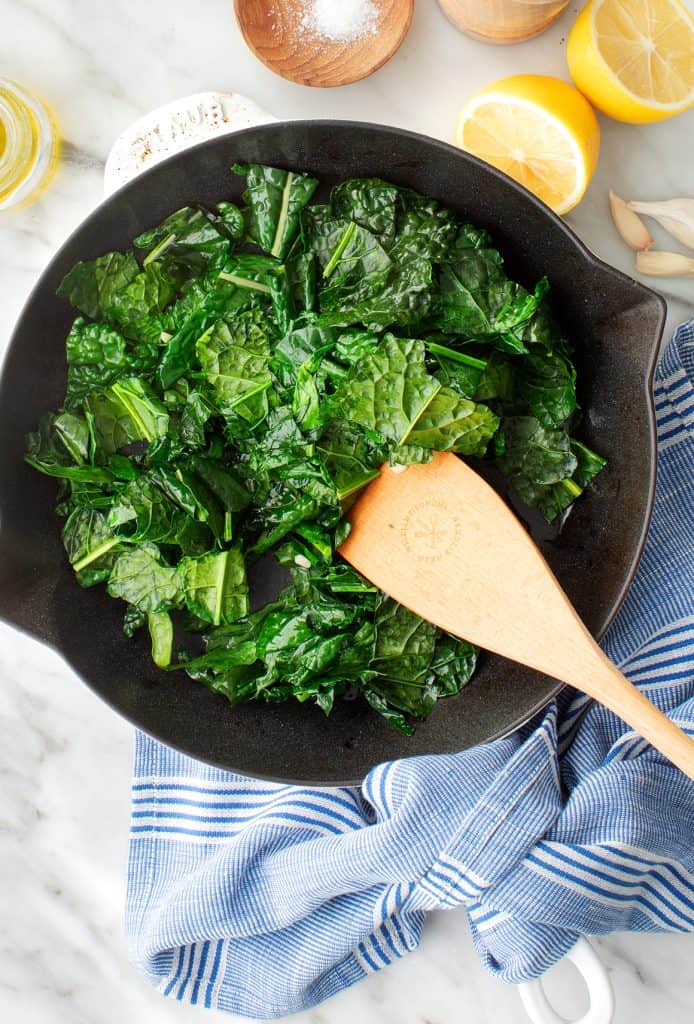
Welcome to our panel discussion on Sea kale, a nutritious and versatile vegetable that has been gaining popularity in the world of healthy eating. Today, we have gathered a group of experts to delve into the various aspects of Sea kale – from its nutritional benefits to culinary uses and even tips on how to incorporate it into your diet.
Let’s start by introducing Sea kale itself. Sea kale, also known as Crambe maritima, is a perennial plant that thrives along coastlines in Europe. It has been cultivated for centuries for both its edible leaves and roots. The plant bears large, wavy leaves with a unique flavor profile that is often described as mild and slightly salty, reminiscent of spinach or chard.
Nutritionally speaking, Sea kale is a powerhouse of vitamins and minerals. It is rich in vitamin C, vitamin K, calcium, magnesium, and iron. Additionally, it contains antioxidants like flavonoids and carotenoids that help protect the body against oxidative stress. The high fiber content in Sea kale also supports digestive health and can aid in weight management.
One of the key benefits of Sea kale is its versatility in the kitchen. The tender young leaves can be enjoyed raw in salads or used as a substitute for spinach or other leafy greens in cooked dishes. When cooked, Sea kale takes on a delicate texture with a subtle umami flavor that pairs well with seafood dishes or creamy sauces.
To shed more light on the culinary aspect of Sea kale, we have Chef Maria joining us today. Chef Maria is an expert in plant-based cuisine and has extensive experience working with unique ingredients like Sea kale.
Chef Maria: “Sea kale is truly a hidden gem in the culinary world. Its distinctive taste adds depth to dishes while providing an array of nutrients. I love using sea kale sautéed with garlic and olive oil as a side dish or incorporating it into soups for an extra layer of flavor.”
In addition to its culinary uses, Sea kale can also be utilized for its medicinal properties. In traditional medicine practices, Sea kale has been valued for its diuretic properties and ability to support liver function. Some studies suggest that compounds found in sea vegetables like sea kelp may have anti-inflammatory effects when consumed regularly.
For those looking to incorporate more Sea kale into their diet but unsure where to start, our nutritionist Sarah will provide some helpful tips:
Nutritionist Sarah: “Sea Kale can easily be incorporated into your meals by adding fresh leaves to salads or blending them into smoothies for an extra nutrient boost. You can also experiment with steaming or roasting sea kelp as a delicious side dish alongside your favorite proteins.”
As with any new ingredient, it’s important to source high-quality Sea Kale from reputable suppliers who harvest sustainably from clean waters free from pollutants.
Lastly…

Leave a Reply