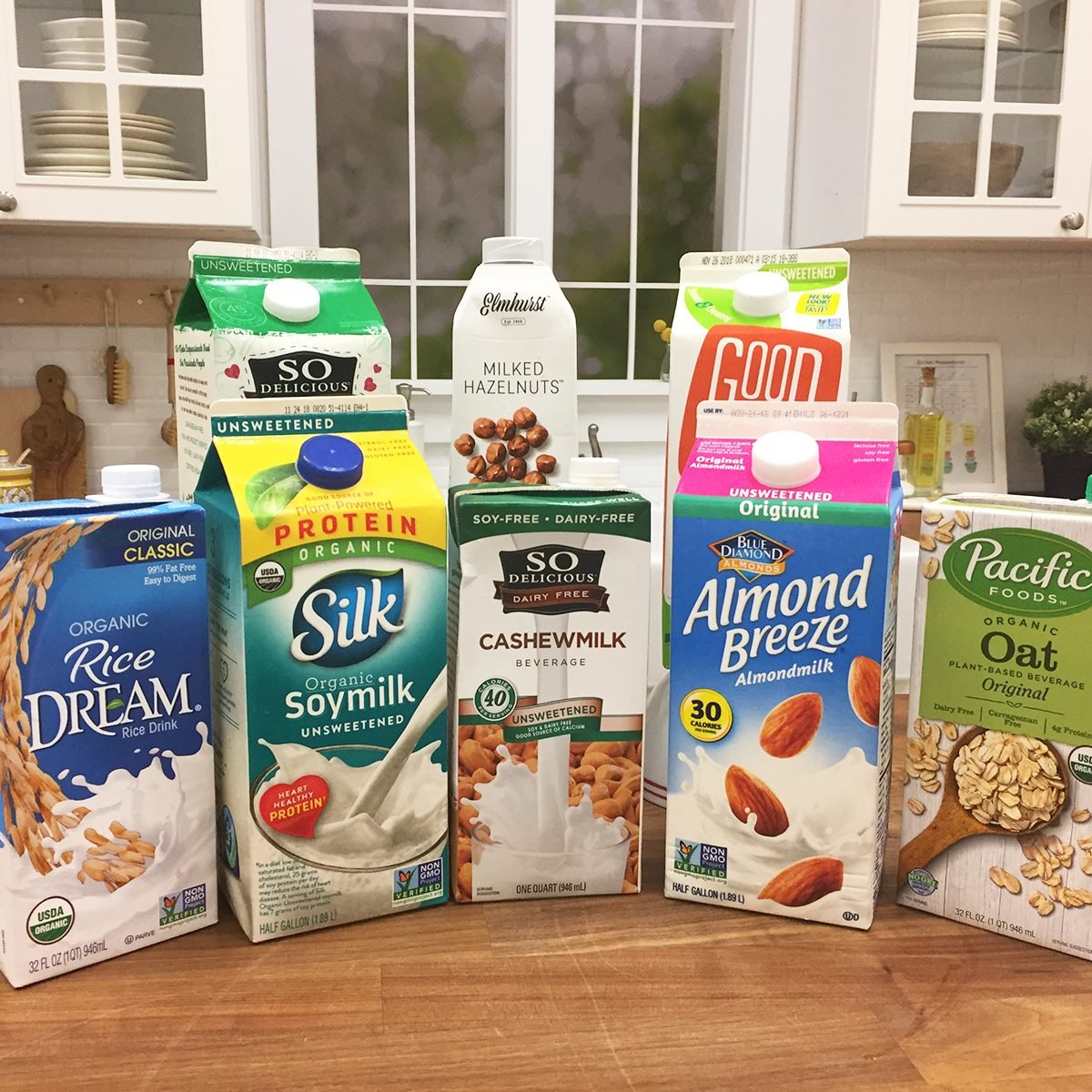
Dairy alternatives have become increasingly popular in recent years due to various reasons such as health concerns, ethical considerations, and lactose intolerance. With the rise of plant-based diets and an increased awareness of the environmental impact of animal agriculture, many people are looking for non-dairy options to replace traditional dairy products.
One of the most common reasons why people choose dairy alternatives is due to lactose intolerance. Lactose intolerance is a condition where individuals have difficulty digesting lactose, a sugar found in milk and dairy products. Symptoms can include bloating, gas, diarrhea, and stomach cramps after consuming dairy. For those who are lactose intolerant, switching to dairy alternatives can help alleviate these symptoms and improve digestion.
Another reason why people opt for dairy alternatives is due to health concerns. While dairy products are a good source of calcium and protein, they also contain saturated fats and cholesterol which can contribute to heart disease and other health issues when consumed in excess. Dairy alternatives such as almond milk, soy milk, coconut milk, oat milk, and rice milk are typically lower in saturated fats and cholesterol compared to cow’s milk. They can also be fortified with vitamins like calcium and vitamin D to provide similar nutritional benefits as traditional dairy products.
For individuals following a plant-based diet or those concerned about animal welfare issues related to the dairy industry, choosing dairy alternatives allows them to enjoy creamy beverages without supporting the exploitation of animals or contributing to environmental degradation caused by factory farming practices.
Let’s take a closer look at some popular non-dairy alternatives:
1. Almond Milk: Almond milk is one of the most popular non-dairy milks on the market. It has a light nutty flavor and is low in calories compared to cow’s milk. Almond milk is rich in vitamin E but may not provide as much protein as cow’s milk unless fortified.
2. Soy Milk: Soy milk is made from soybeans and has a creamy texture similar to cow’s milk. It is naturally high in protein which makes it an excellent choice for those looking for a more nutritionally balanced alternative.
3. Coconut Milk: Coconut milk has a rich tropical flavor that works well in both sweet and savory dishes. It contains healthy fats known as medium-chain triglycerides (MCTs) that are easily digested by the body.
4. Oat Milk: Oat milk has gained popularity recently due to its creamy texture that works well in coffee drinks or cereal bowls. It is naturally sweet with no added sugars if you opt for unsweetened varieties.
5.Rice Milk: Rice milks tendtobemore neutralinflavor makingthemagoodchoiceforbakingandcooking.However,rice milklacksproteinandsomevitaminsfoundincow’smilksoitmayneedtobefortifiedwithcalciumandvitaminDto matchthedairymilknutritionalprofile.
When selecting non-dairy alternatives it’s importantto considertheingredientslistandoptforproducts thatarefortifiedwithcalcium,vitaminD,andotheressentialnutrients tomimicthepositivehealthbenefitsoftraditionaldairymilk.Alternatively,youcan incorporatevariousnon-dairyalternativesinto yourdiettoprovidenutritionalvarietyandreapthebenefitsofeach typeofplantbasedmilk.Nonetheless,it’salwaysbesttoconsultaredietitianorhealthcareproviderifyouhaveanyconcernsaboutmeetingyournutritionalneedswhenswitchingtodairyalternatives.
In conclusion,dairyalternativessuchasalmondmilk,zoyrnok,oconutmik,oatmilkk,andrice mikofferaviableoptionsforindividualspursuingaheathierlifestyle,sufferingfromlactoseintolerance,onaveganorplant-basditeor simplylookingtosupportenvironmentallyfriendlypractices.Thesealternativscanbeusedinterchangeablywithtraditionaldaryproductsinrecpiesdrinks,andcerealstohelpdiversifyourdietandyoursustainablitygoals.Choosingnondiryalernativesisnotonlybetterforyourhealthbutalsotougherforthplanetandaalllivingcreatureson t.Itisanimportantstepintowardscreatingamoresustainablefoodsystemforall.

Leave a Reply