African cuisine is a flavorful and diverse tapestry of culinary traditions that reflect the continent’s rich history, cultural diversity, and abundance of fresh ingredients. From North Africa to South Africa, and from East to West, African cuisine offers a wide array of dishes that are as varied as the landscapes and people of this vast continent.
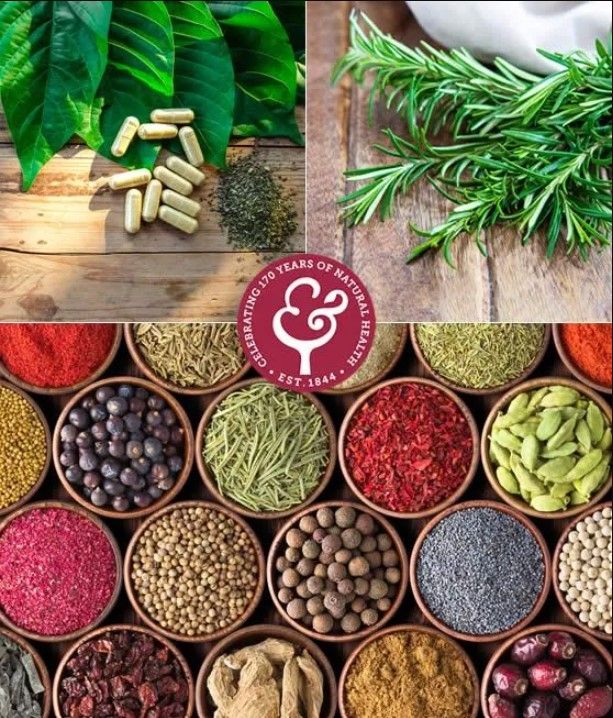
One of the defining characteristics of African cuisine is its use of bold spices and herbs. These aromatic seasonings not only add depth and complexity to dishes but also boast numerous health benefits. Spices like cumin, coriander, turmeric, and paprika are commonly used in African cooking and have anti-inflammatory properties that can help boost immunity and aid digestion. Herbs like mint, cilantro, parsley, and basil are often used to bring freshness to dishes while providing essential vitamins and antioxidants.
Another key feature of African cuisine is its focus on fresh produce. Many traditional African dishes are centered around vegetables such as okra, eggplant, tomatoes, spinach, yams, plantains, and various types of beans. These nutrient-rich ingredients not only add vibrant colors and textures to meals but also provide essential vitamins, minerals, fiber, and antioxidants that promote overall health.
In addition to vegetables, grains play a prominent role in African cuisine. Staples like rice (especially in West Africa), maize/cornmeal (common in Southern Africa), sorghum (popular in East Africa), millet (a staple in Sahelian countries), cassava/yuca (found throughout the continent), teff (in Ethiopia), or fonio (in West Africa) form the base for many traditional dishes such as jollof rice from Nigeria or Ghana or injera from Ethiopia.
Protein sources in African cuisine vary widely depending on region and availability but often include lean meats like chicken or fish along with legumes such as lentils or black-eyed peas. Goat meat is popular in many parts of Africa due to its lean nature while beef features prominently in regions with abundant cattle farming practices.
African cuisine also showcases a variety of cooking methods ranging from grilling over open flames to stewing slowly over low heat. One iconic cooking vessel found across the continent is the clay pot which imparts a unique earthy flavor to dishes cooked within it.
Moreover,African cuisines incorporate fermented foods into their diets which offer probiotic benefits for gut health.Grains,such as sorghum,millet,and corn are often left out so they ferment naturally before being ground into flour.These fermented grains then used for making porridges,breads,and other staples.Many traditional condiments like berbere,a spicy Ethiopian blend made with chili peppers,paprika,clove,cinnamon,and fenugreek;and shito,a Ghanaian chili sauce made with fish ,pepper,onion,tomatoes ,spices,and oil also undergo fermentation processes enhancing both flavor profile nutritional value.
Lastly,Africa’s sweet offerings including desserts showcase an arrayof fruits,nuts,honey,syrups,and sugars creating treats lik banana fritters,doughnuts studded with peanuts,mango pudding,topped with coconut cream among other delights.
In conclusion,African cuisisne offers an exciting journey through flavors,textures,colours aromas reflecting rich history culture landscapes.The emphasis on fresh ingredients,bold spices,varied proteins cooking techniques sustainability practices make it more than just food,it’s celebration life itself!

Leave a Reply